
Being a designer, I have had my fair share of frustration over the desire to have a particular font, template, or stock image, and then finding out that it is not offered in my country. Limitations of creativity are done silently in regions, and even minor limitations can destroy the workflow. The absence of access to the necessary creative tools may extend the time of the project, raise the project cost, or compromise the quality of the design.
It affects freelancers, studio designers, and even hobbyists. Whereas with big businesses it is usually possible to find a workaround or an enterprise subscription, independent designers are more susceptible to geo-blocked material. It is important to know what is limited, why, and how to operate around it to ensure productivity and remain competitive in the global market.
Table of Contents
- Learning Regional Restrictions and Licensing
- The Alternative Global Resources
- The Realities of Regional Constraints
- Specifically Popularized Creativity
- The Impact of Regional Restrictions on the Workflow
- How Designers Can Overcome Limitations
- To Access Geo-Blocked Tools by Use of VPNs
- Case Studies: The Adaptation of Designers
- Best Practices for Designers When Regional Restrictions Are in the Picture
- Final Thoughts
- FAQs
- 1. What are the geographical limitations in design materials?
- 2. Will VPNs assist in using blocked design tools?
- 3. Are VPNs legal?
- 4. What should designers do to be ready to work with limited resources?
- 5. What creative tools are impacted by the regional limitations the most?
- 6. Is it possible that limited resources may influence the collaboration?
Learning Regional Restrictions and Licensing
Licensing of regional areas and copyright laws are among the key factors that limit access for designers. Some of the design tools, fonts, stock photos, and software capabilities of a particular country are limited because of a licensing agreement.
This implies that you can still pay for a subscription but still fail to access all the features in the case your account has been registered outside the permitted region. Knowing where these restrictions are implemented enables you to plan your projects more effectively and not be frustrated when you cannot get access to resources.
Cooperation can also be influenced by regional restraints. The teams working internationally may access other software versions, and this may yield inconsistencies in design files or workflow. Monitoring these constraints will enable you to project the possible bottlenecks and locate other resources under your legal and budget limits.

The Alternative Global Resources
Some of the tools are region-locked, yet numerous international sites, which can provide such functionality, are available. Open-source design software, free stock libraries, and cross-border collaboration devices can even prove to be effective in professional work. Such sites as Unsplash, Figma Community, or Google Fonts are typically free of charge and available everywhere on the planet.

Also, designers are able to create their own repositories by contributing to global design communities with templates, icons, and mockups. This not only addresses the issue of the regional constraints but also promotes networking and the exchange of knowledge. Being creative and able to stay productive even under the conditions of limited access to some of the best resources can be achieved by proactively focusing on alternative ones.
The Realities of Regional Constraints
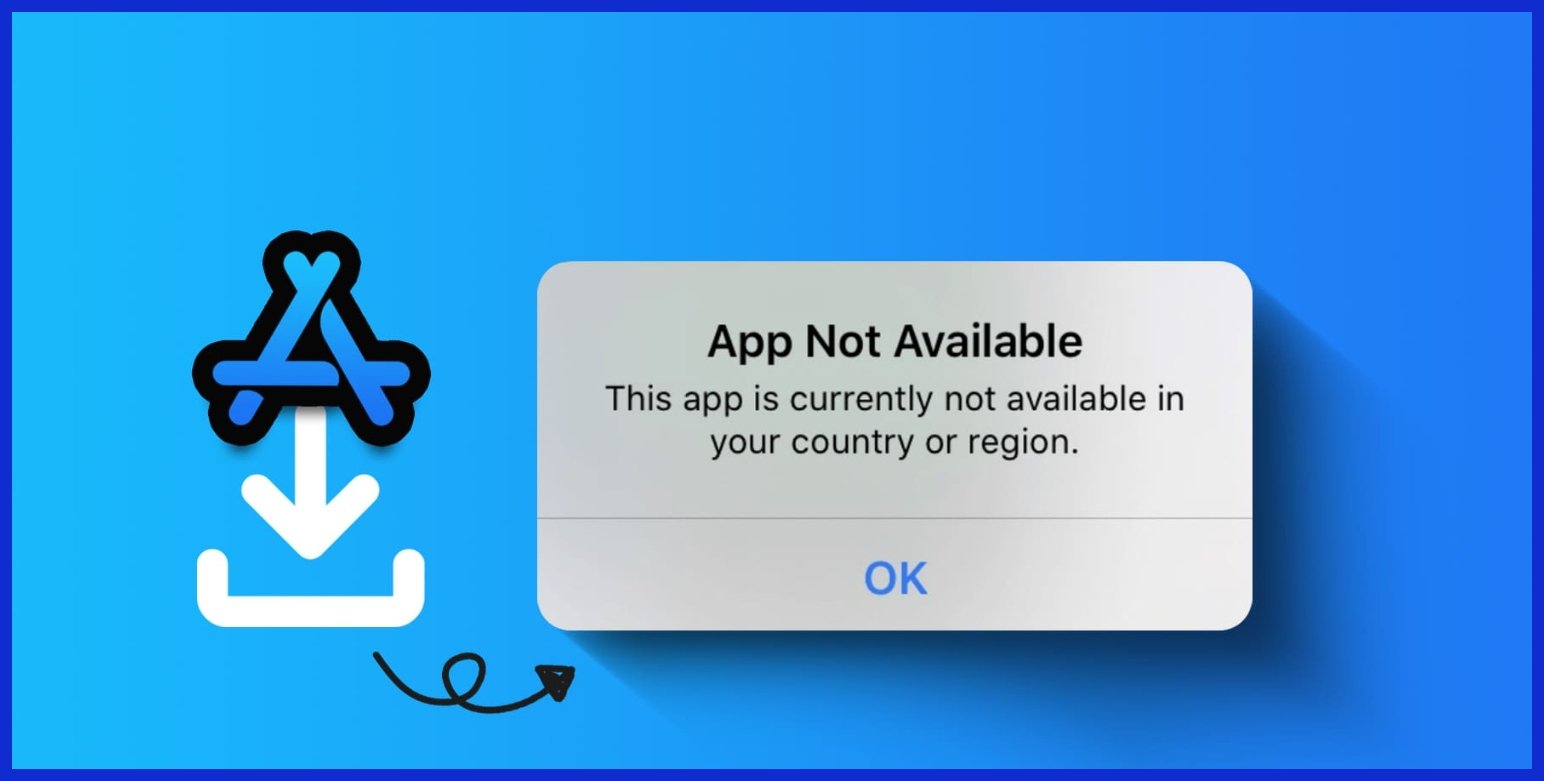
There are regional restrictions because of a variety of reasons, usually because of a licensing deal, copyright concerns, or platform policies. An example is that the stock photo library can limit downloads in some countries, or the SaaS service can limit access to features due to legal or other commercial reasons.
The implications of this for designers are:
- Lack of asset availability: You may never see some fonts, graphics, and templates in your library.
- Increased cost: The alternatives can be buying separate assets or subscribing to local costs.
- Loss of flexibility: You might not be flexible enough to experiment with trending tools and work effectively in international teams.
- More time is used: Designers waste hours obtaining workarounds rather than doing creative work.
The condition to solve these limitations is to first comprehend them. Moreover, knowing which platforms impose restrictions, you will be able to plan, see to it that deadlines of individual projects are met, and remain creative.
Specifically Popularized Creativity
There are a number of resource types that are subject to region-based constraints. It may be useful to design to know what categories are affected:
Types and Typography Archives
The fonts may break or make a design. Most premium font libraries also limit downloads on a country-by-country basis, and designers are left with the basic or old fonts. This can be very irritating to the point of working on branding projects or print jobs that require special typography.

Photos and Videos of Stocks
Stock content is the order of the day in modern design. There are numerous stock libraries in many countries that restrict access to certain territories. Restricted countries can offer fewer options to designers, lower-quality files, and expensive subscriptions.

Software and SaaS Tools
There are software platforms that prevent sign-ups or block functions depending on the IP addresses. This may deny access to cloud-based design software, collaboration solutions, or even those standards elsewhere.
Design Templates and UI Kits
The templates accelerate the processes; however, regional limitations might restrict access to high-quality UI kits, website themes, or presentation packs, so the designer needs to create projects themselves.
Creative Marketplaces
Some countries can also be blocked by online marketplaces that distribute the brushes, vector graphics, and 3D assets as downloads. This is a drawback to affordability and creative diversity.

The Impact of Regional Restrictions on the Workflow
Regional restrictions are not limited to the loss of assets. All of it affects workflow efficiency, creativity, and collaboration:
- Additional time in research time: Designers take hours to find alternative resources.
- Less experimentation: It is challenging to experiment with new styles or trends without the ability to have access to some tools.
- Limitations on clients: International clients can demand something that is not available locally.
- Barriers to collaboration: It is more difficult to work with global teams, when all the members are not on the same platform.
With regional restrictions unrealized, small inefficiencies accumulate. In the long-run, these impediments impact the quality of the project, project schedules and career development.

How Designers Can Overcome Limitations
Research and Plan Ahead
The first step is to determine which platforms, templates, or assets might be blocked before initiating a project. Prepare a list of the necessary tools and check the access. This eliminates frustrations at the last moment.
Sustain Alternative Libraries
Have freely available reserves of fonts, icons, and stock images. It may be the case that the local or open resources are not updated, but can be utilized to address the gaps in the short term.
To Access Geo-Blocked Tools by Use of VPNs
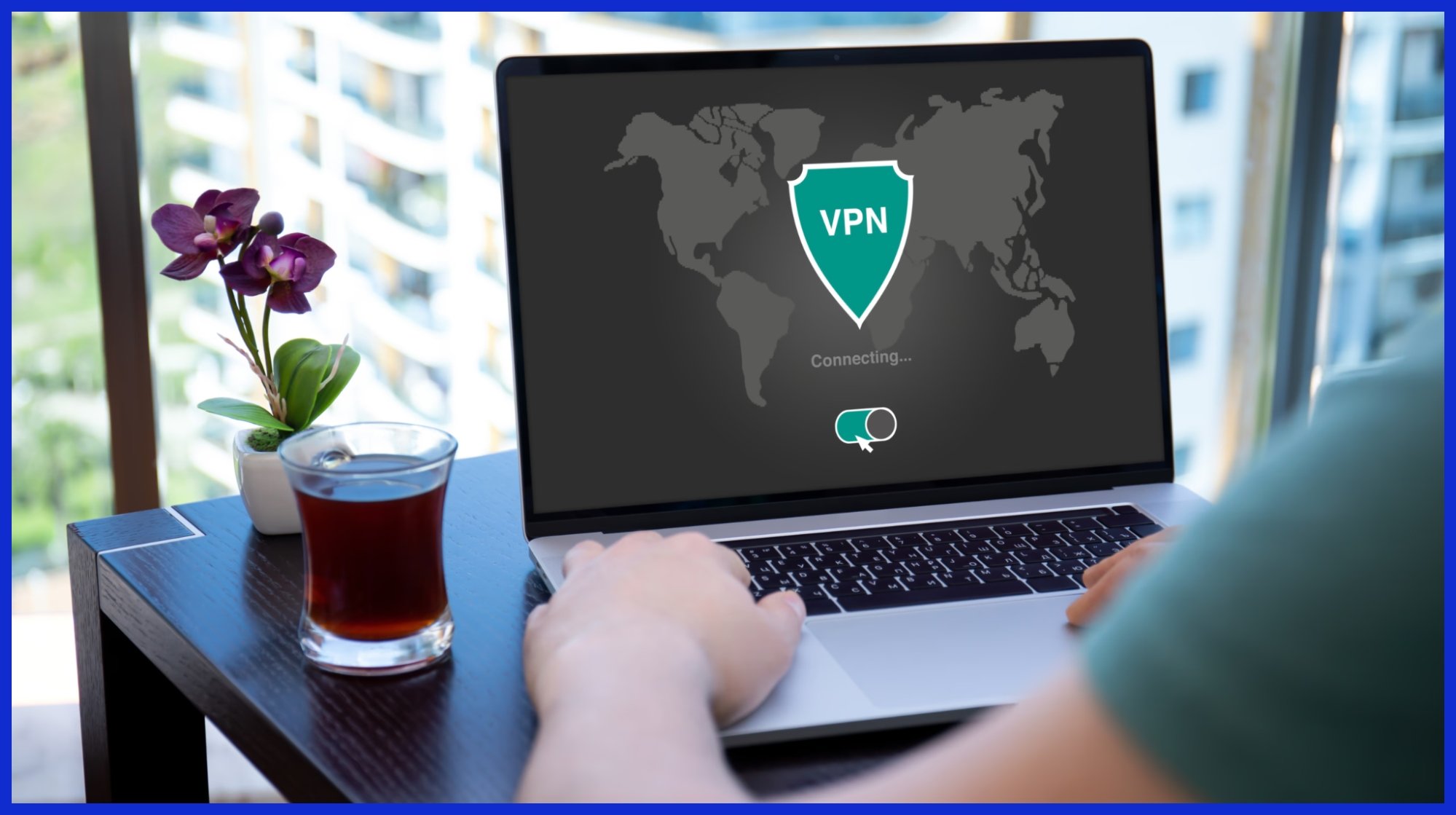
One significant obstacle facing designers is regional constraints, although a virtual private network (VPN) offers a secure method of utilizing the world-wide resources. VPN can be used to connect your gadget to other nations, bypassing geo-blocking and keeping your online activities confidential. This will give you access to tools and platforms that might not be accessible in your area at the expense of security.
As an example, the VPN experts at VPNPro explain how a VPN for geo blocking allows designers to access creative platforms that may be restricted by location. It enables use of high-quality stock libraries, global UI kits and templates, and seamless collaboration on cloud-based resources. While a VPN does not remove the need for legitimate subscriptions, it ensures full use of your existing accounts and tools regardless of where you’re working from.
Case Studies: The Adaptation of Designers
Freelance Web Designer
A Southeast Asian freelance web designer had been blocked in downloading a trendy UI kit. The designer could finish the project in time and ensure consistency in the design by planning beforehand and using VPN access.
Studio Graphic Designer
An Eastern European small design studio required top-notch stock footage to use in one of their campaigns. The team made use of alternative libraries and ensured that only platforms that were locally available were purchased to save on the expenses of purchasing costly last-minute subscriptions.
Motion Graphics Artist
A motion graphics artist in South America depended on the 3D assets that were based on subscriptions. The downloads could not be made at first because of the regional constraints, the designer developed a personal archive and monitored global updates, and did not encounter any disruption of the working process.

Best Practices for Designers When Regional Restrictions Are in the Picture
Designers can do this without a VPN, even to reduce disruption:
- Record your process: Maintain a record of resources that are restricted and effective alternatives.
- Take advantage of open sources: Open content or Creative Commons materials can be used to complement your projects.
- Respond to clients: Discuss possible limitations in the case of using region-specific tools.
- Invest in subscriptions globally: Applications offering an international presence minimize reliance on workarounds.
- Educate yourself: Forums and design communities tend to post updates on locked-away resources and solutions.
When such strategies are combined, designers can be able to remain creative regardless of the limitations of the region.
Final Thoughts
The restrictions that are implemented on regional levels might appear as small inconveniences, yet their overall effect on a designer is tremendous. Fonts out of stock, libraries of stock blocked, or software not available can delay projects, add to costs, and curtail creativity in experimentation.
With the knowledge of what resources are blocked, backups, and workarounds in the law, regional restrictions can be seen as simple speed bumps rather than career-killing obstacles. Any designer can be global as long as he or she is ready to plan and change.
FAQs
1. What are the geographical limitations in design materials?
These are restrictions that are created by platforms, and in most instances, they are a result of licensing that would limit access to certain tools, assets, or templates in particular countries.
2. Will VPNs assist in using blocked design tools?
VPNs can also enable you to choose servers in different countries and, in the process, avoid geo-blocks and still maintain your privacy.
3. Are VPNs legal?
Not really. Most places are fine with VPNs, but always check the laws where you live; rules can get weird.
Most countries have made VPNs legal. Nevertheless, never ignore the service of the platform on which you are visiting.
4. What should designers do to be ready to work with limited resources?
Preserve other libraries, monitor blocked tools, and design projects based on accessible global platforms.
5. What creative tools are impacted by the regional limitations the most?
And, resources such as fonts, stock photos, video clips, software, UI kits, templates, online marketplaces, etc., can be difficult to get by. They are usually constrained and confined, and thus, seize the moment you have and when you have it.
6. Is it possible that limited resources may influence the collaboration?
Yes. When one of the members of the team is unable to access a platform, it may slow the project altogether. Global platform decisions and planning are critical.