Table of Contents
Key Takeaways
-
AI artists are transforming the art world by merging technology and creativity and redefining how art is created and experienced.
-
When AI and human artists collaborate, the results are electrifying.
-
While coding and algorithms are indispensable skills for AI artists, they push creative boundaries and experiment with generative art.
-
AI-generated art ignites crucial conversations surrounding ethics, ownership, and worth. It motivates art enthusiasts and industry experts to reconsider conventional notions of art.
-
In their imperfection and intuition, AI artworks echo the human values and stories of our cultures, resonating with audiences across the globe.
-
As technology improves, AI art could become easier to use, providing more individuals the opportunity to express themselves and influence the future of creativity.
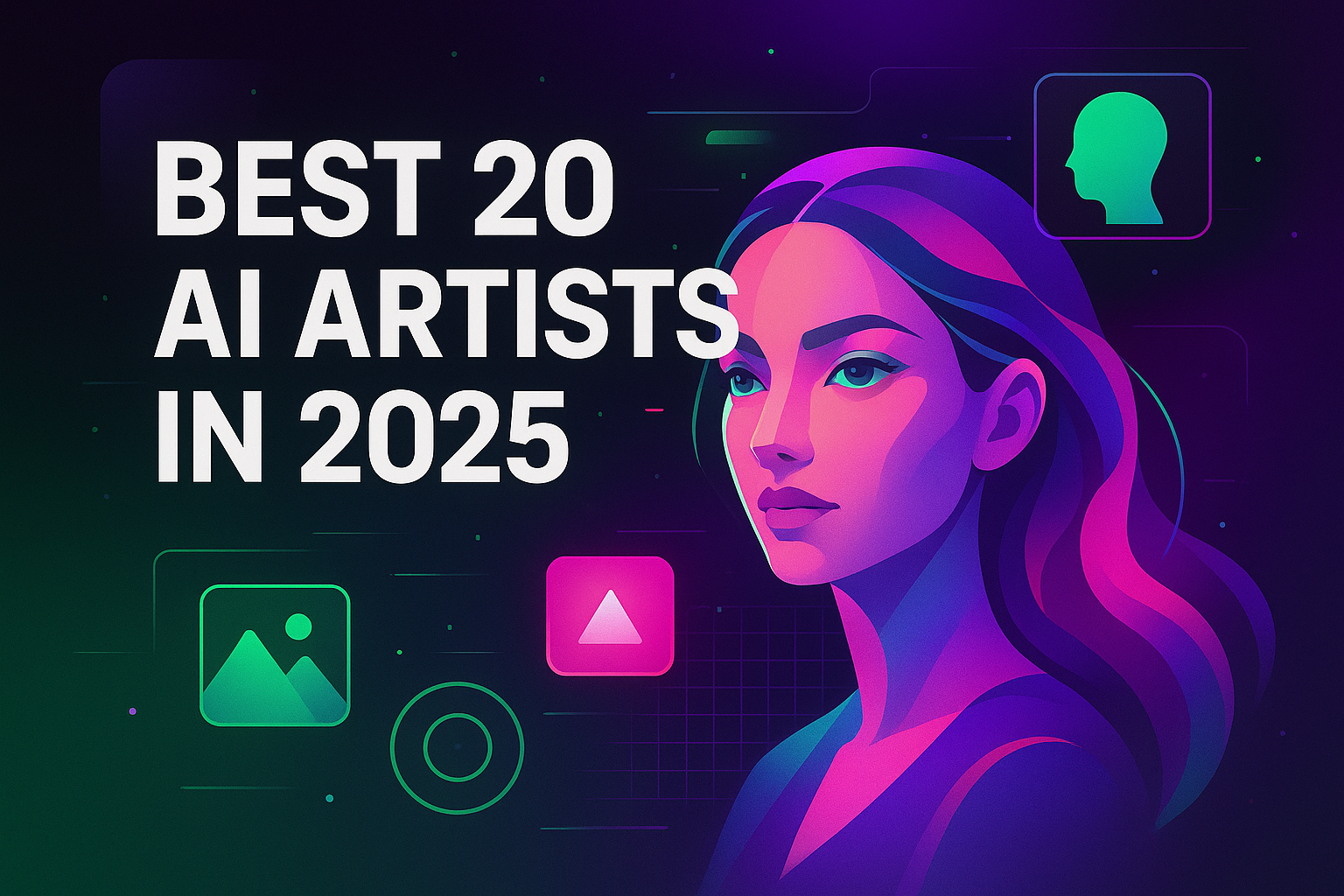
AI artists in 2025 harness cutting-edge machine learning technologies and advanced algorithms to push creative boundaries unlike ever before. Now, these innovative creators are shaping the future of digital art by blending human intuition with machine intelligence to produce mesmerizing visuals across industries.
Whether you are a small business seeking fresh branding ideas or simply curious about the pioneers redefining creativity, the following sections introduce the top 20 AI artists of 2025 who are leading this exciting revolution.
Who is an AI Artist?
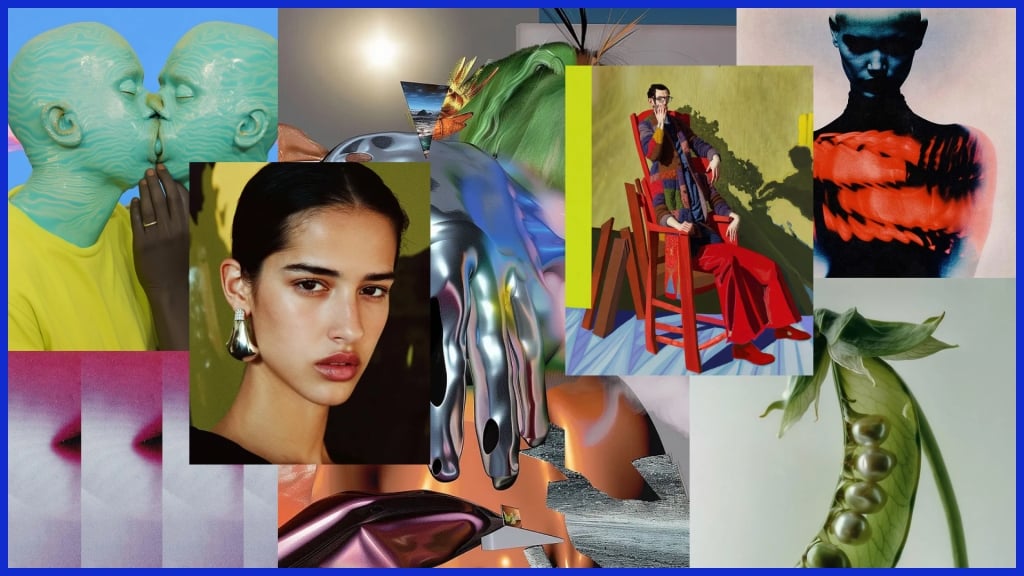
An AI artist is an artist who combines technology and art, using techniques such as machine learning and deep learning to generate images, music, or even narratives. These artists use massive online databases, which are repositories of labeled images or audio, to train their models, frequently blending their own style into the dataset. This uncommon method allows them to differentiate themselves, even as hobbyists whip out off-the-shelf image generators for slapdash outputs. While AI is also being applied in business functions such as sales automation through solutions like Podium AI Employee, its role in creative fields continues to evolve in distinct ways.
Key impacts of AI artists on contemporary art:
-
Open up new creative methods and hybrid styles
-
Make art more accessible to people without classic skills
-
Challenge ideas about authorship and originality
-
Change how collections are curated and displayed
-
Raise questions about value and meaning in digital art
Top 20 AI Artists in 2025
Meet the AI artists who are transforming a new generation of visual culture by mixing algorithms with imagination to revolutionize how we experience and create art. These trailblazers span from individual artists to collectives utilizing neural networks, GANs, and state-of-the-art software. Their art is not only visual; it sparks new conversations on authorship, agency, and the destiny of creative labor.
1. Sahid SK
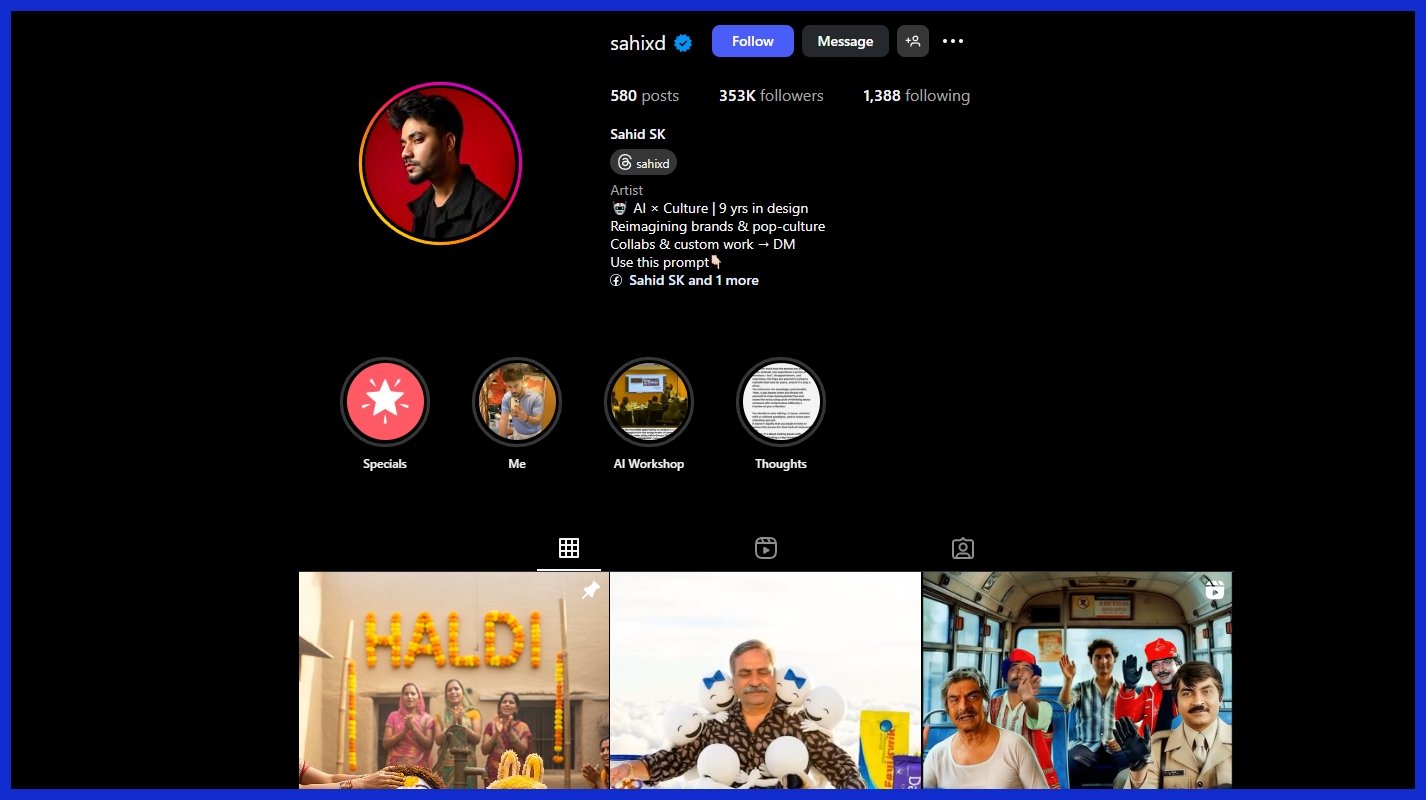
Sahid SK is a creative professional and co-founder of Megalodon who specializes in AI-generated content. With over nine years in the creative domain, he focuses on reimagining popular culture through AI, blending humor and social commentary.
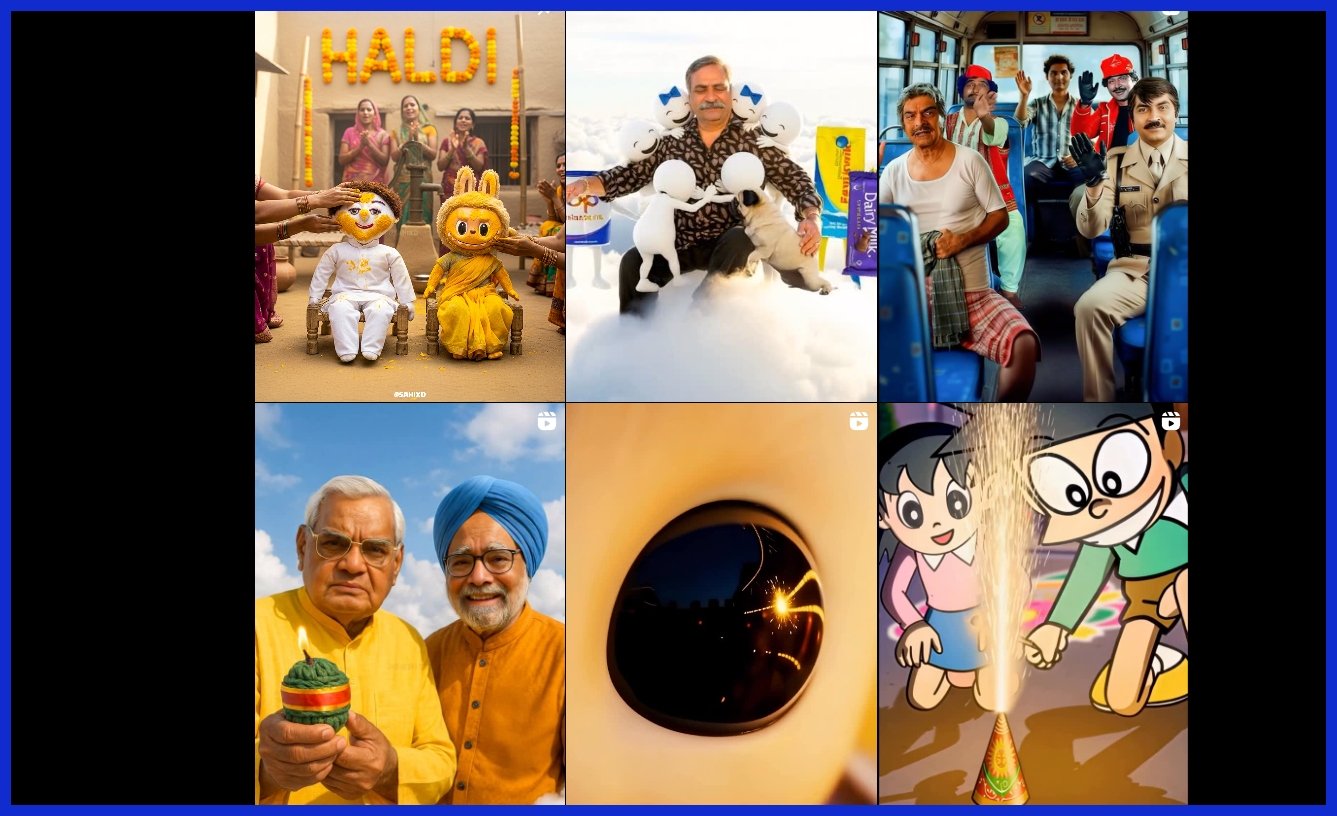
His work often features fictional scenarios involving Indian politics, cinema, and cultural icons, showcasing a unique blend of creativity and technology that has made significant contributions to the AI creative space.
2. Refik Anadol
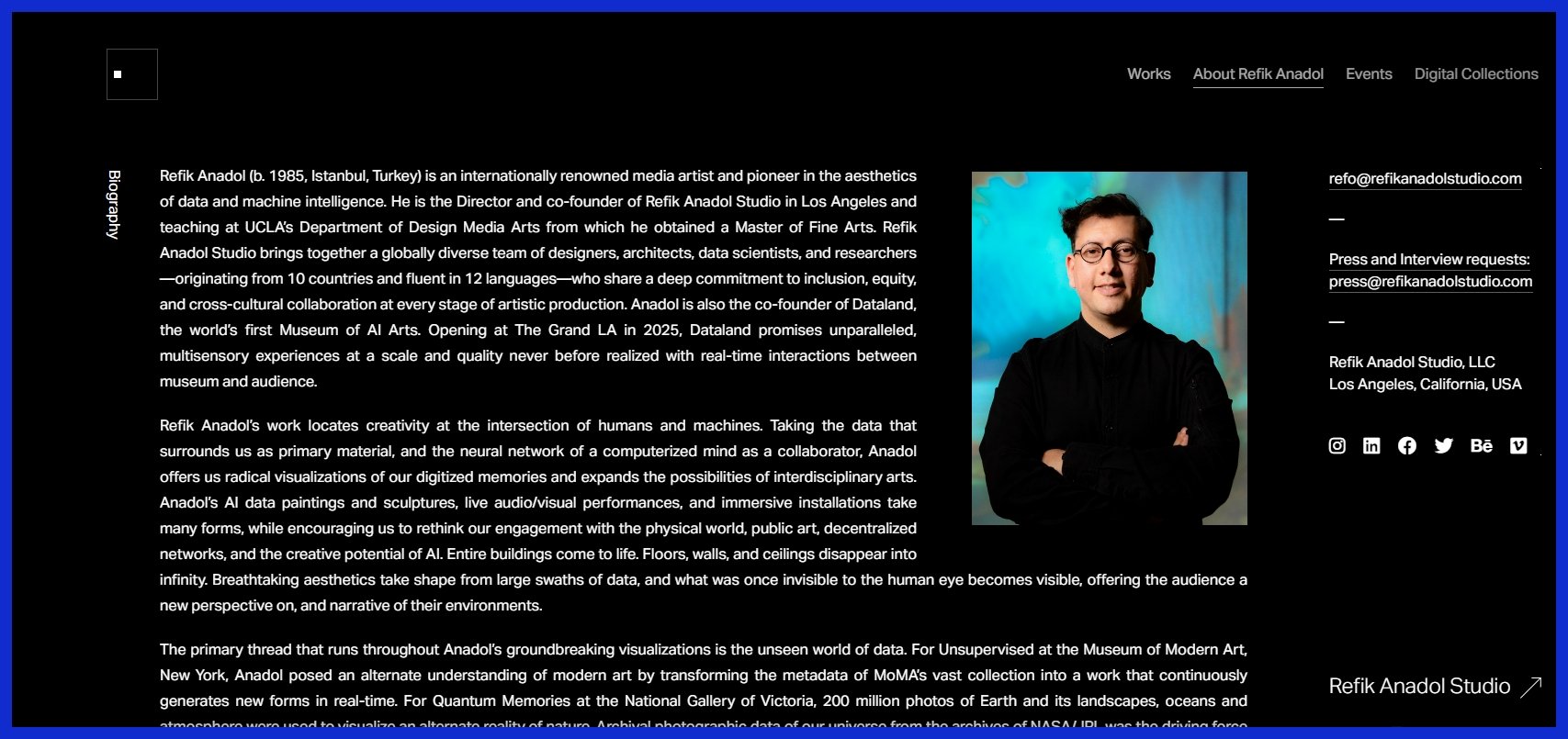
Refik Anadol is a Turkish American media artist recognized as a pioneer in the aesthetics of data visualization and AI arts. His work merges art, technology, science, and architecture through media embedded into existing spaces, live audio-visual performances, and immersive installations.
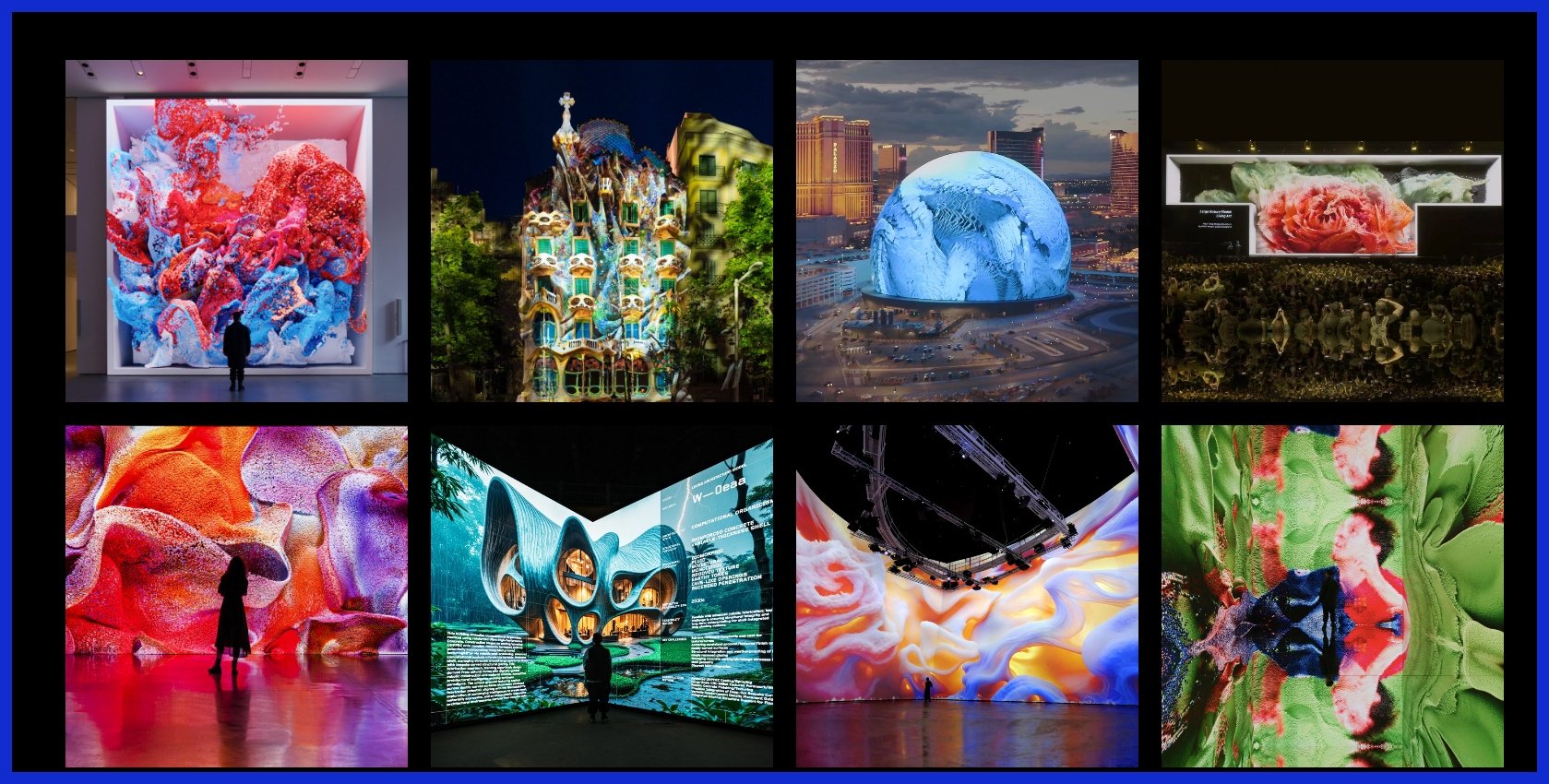
Notable projects include WDCH Dreams, which transformed the Walt Disney Concert Hall’s exterior with projections of the Los Angeles Philharmonic’s 100-year history. Anadol co-founded Dataland, a 20,000-square-foot museum dedicated to AI art, scheduled to open in Spring 2026.
3. Mario Klingemann
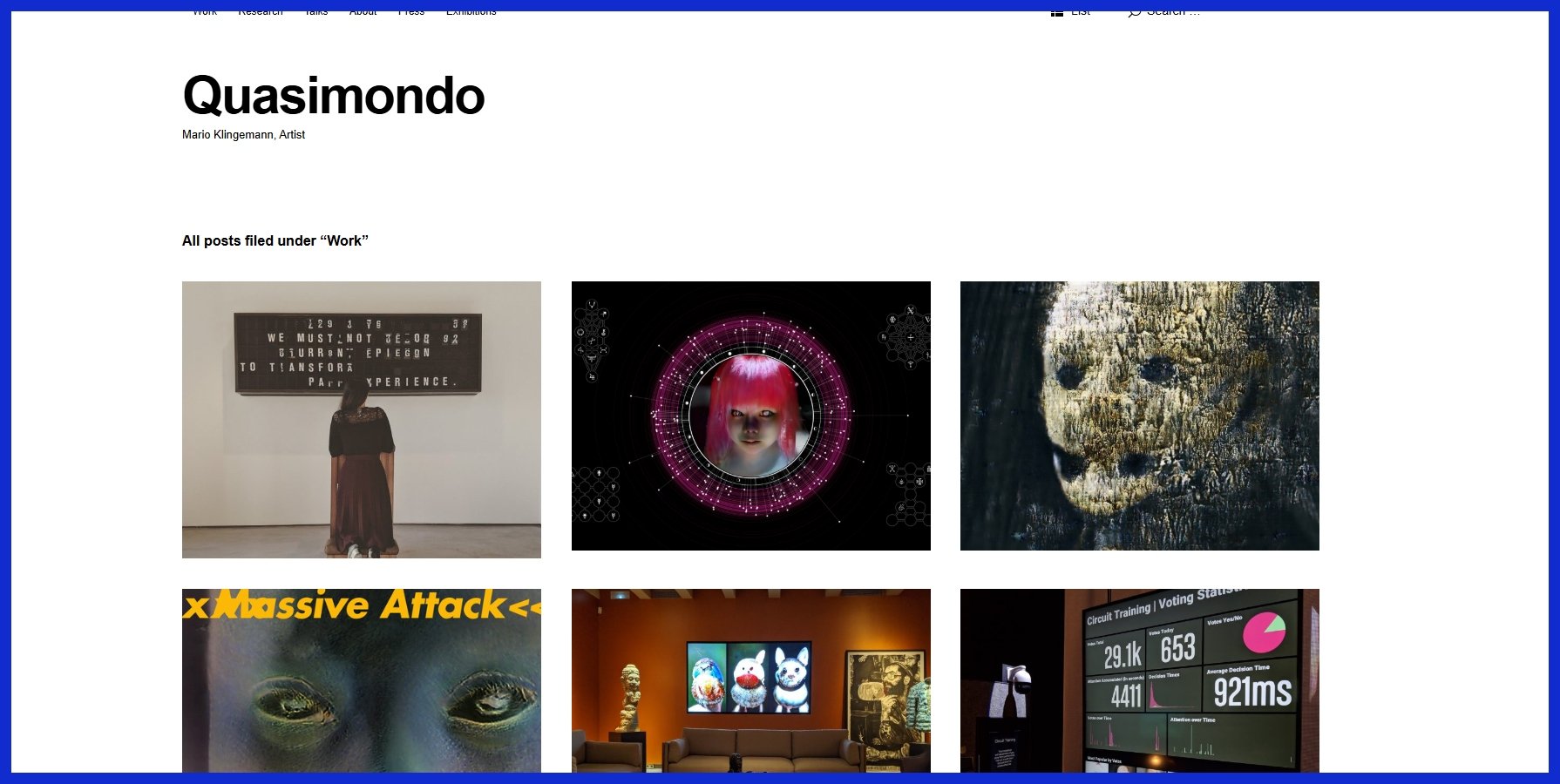
Mario Klingemann is a German artist and pioneer in AI art who combines the analytic mind of a coder with creative fervor. His work uses neural networks, code, and algorithms to explore human perception and aesthetic theory. In 2019, his piece Memories of Passersby I became one of the first AI artworks sold at a traditional auction house (Sotheby’s). Klingemann was a Google Arts and Culture resident from 2016 to 2018 and won the Lumen Prize Gold Award in 2018.
4. Memo Akten
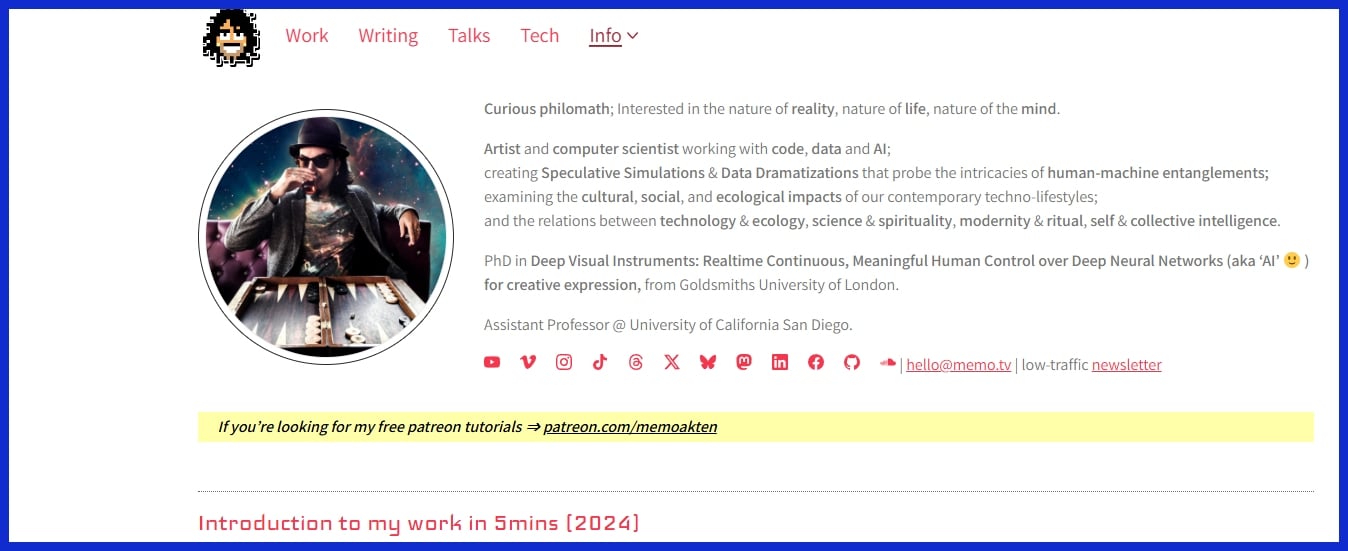
Memo Akten fuses art, technology, and scientific inquiry in his practice. His work—ranging from experimental video installations to interactive performances—uses deep learning and neural networks to explore synthetic consciousness and the nature of creativity.
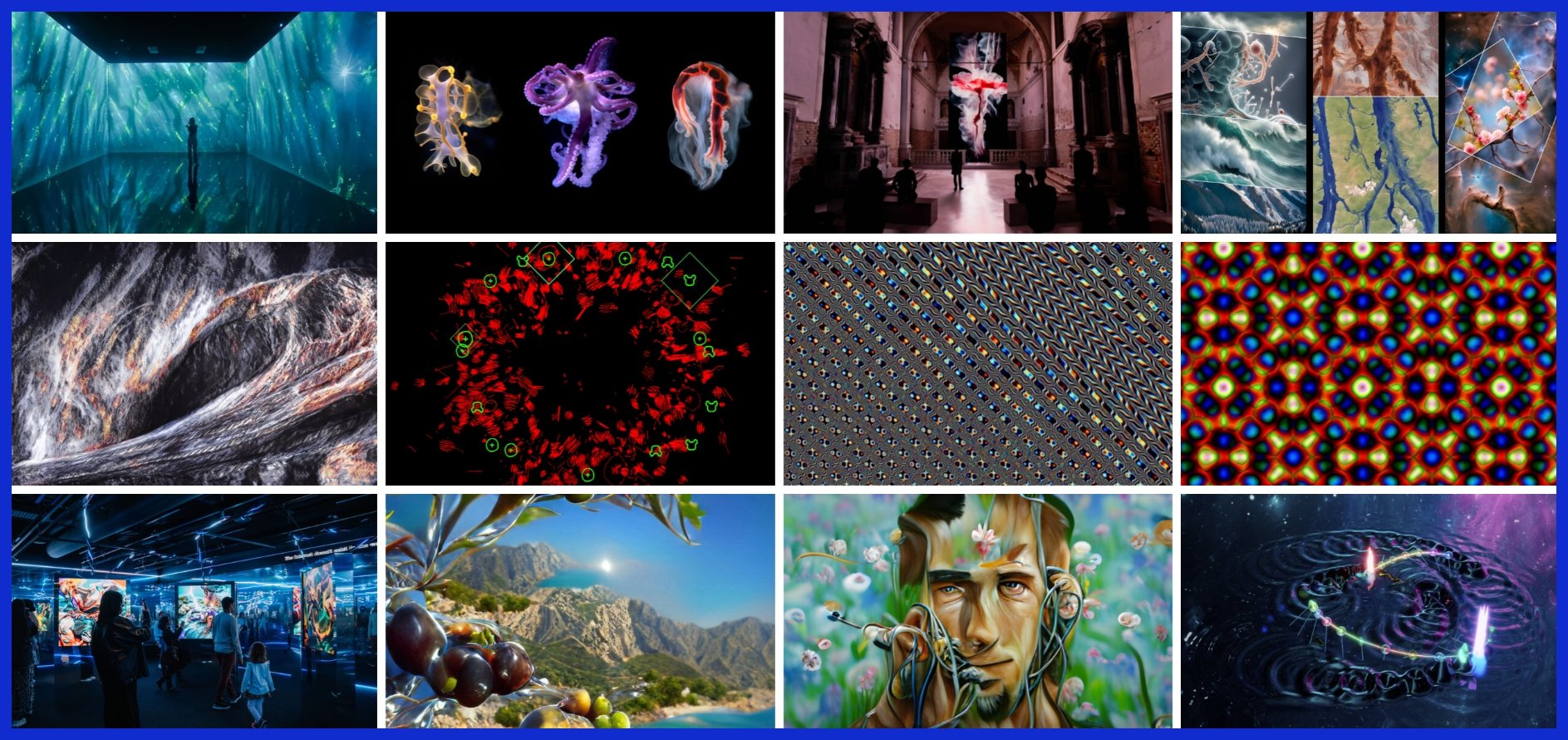
Akten’s projects investigate how machines ‘view’ the world and challenge fundamental questions about computational creativity.
5. Sougwen Chung
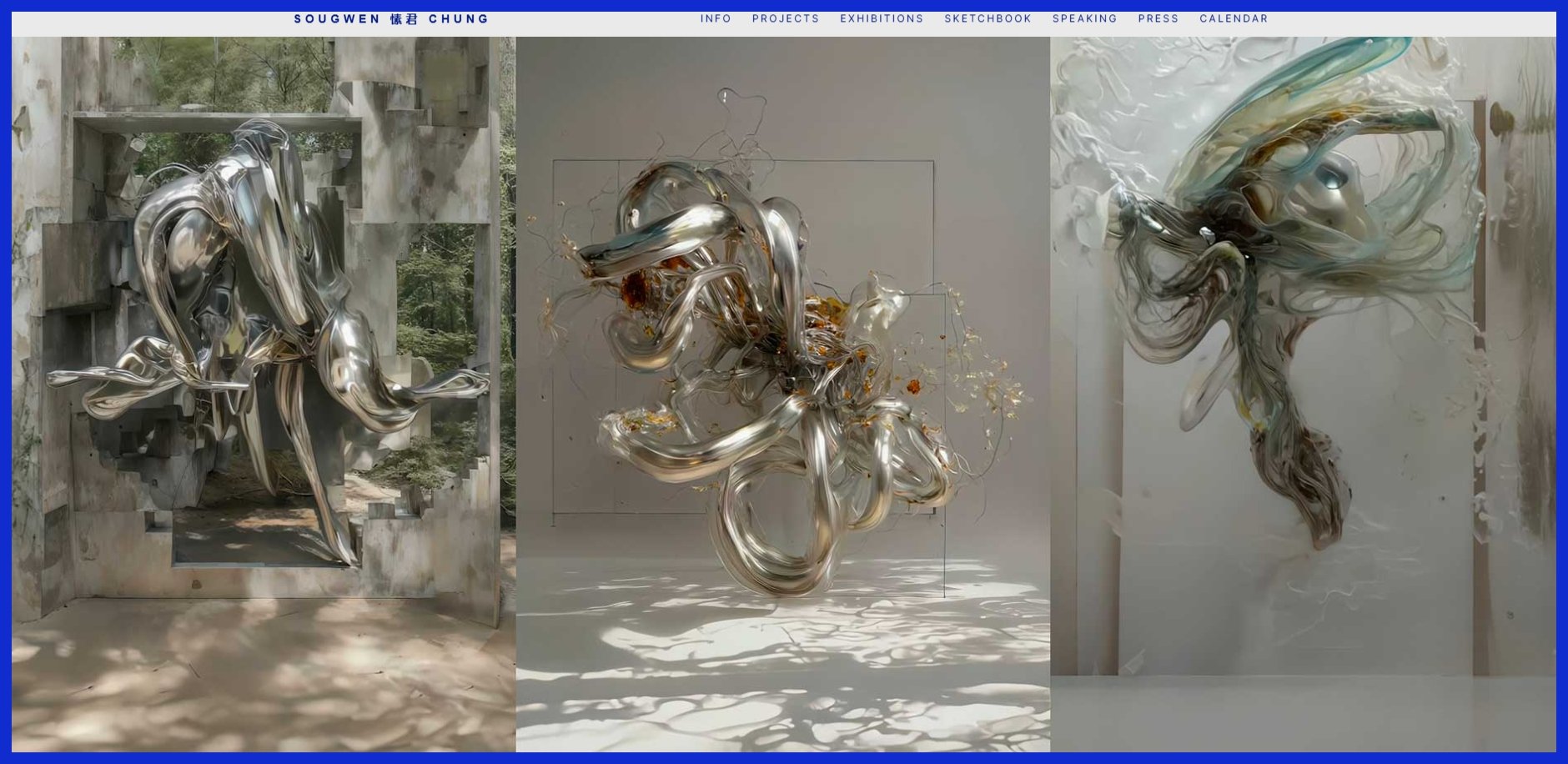
Sougwen Chung is a pioneer in human-machine collaboration who merges traditional drawing with robotic performance. Her art investigates the dialogue between hand-made marks and AI-generated lines, resulting in deeply poetic, hybrid works. This exploration of the relationship between human and machine creativity makes her work particularly resonant in discussions about authorship and collaboration.
6. Anna Ridler
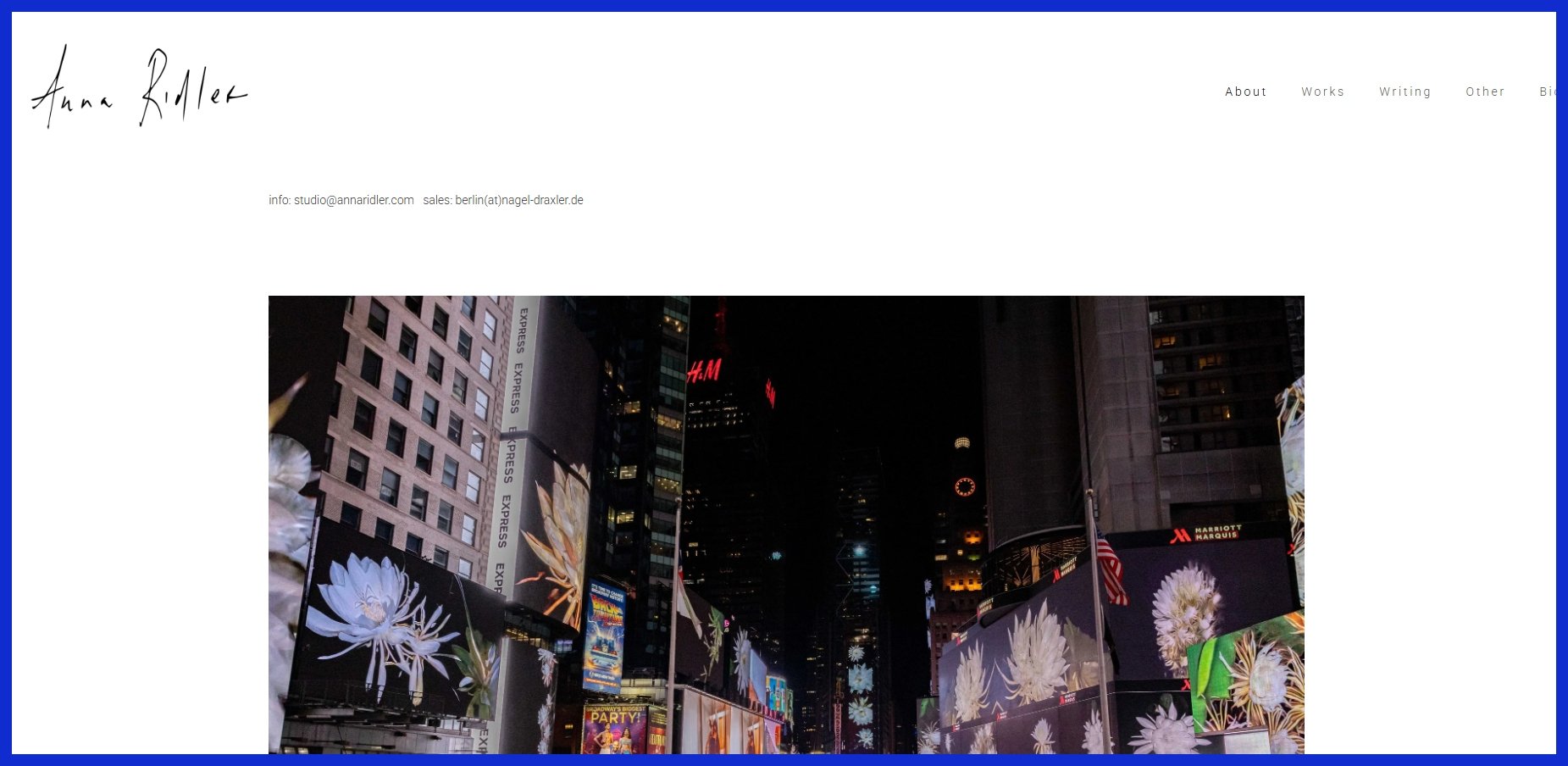
Anna Ridler is known for her painstakingly self-generated datasets that examine historical and economic phenomena through machine learning. Her celebrated tulip series, including Mosaic Virus, draws parallels between 17th-century tulip mania and contemporary cryptocurrency speculation. Over three months, she photographed and hand-labeled 10,000 tulips to create a dataset that trained an AI to generate new tulip images, with appearances controlled by bitcoin prices.
7. Robbie Barrat
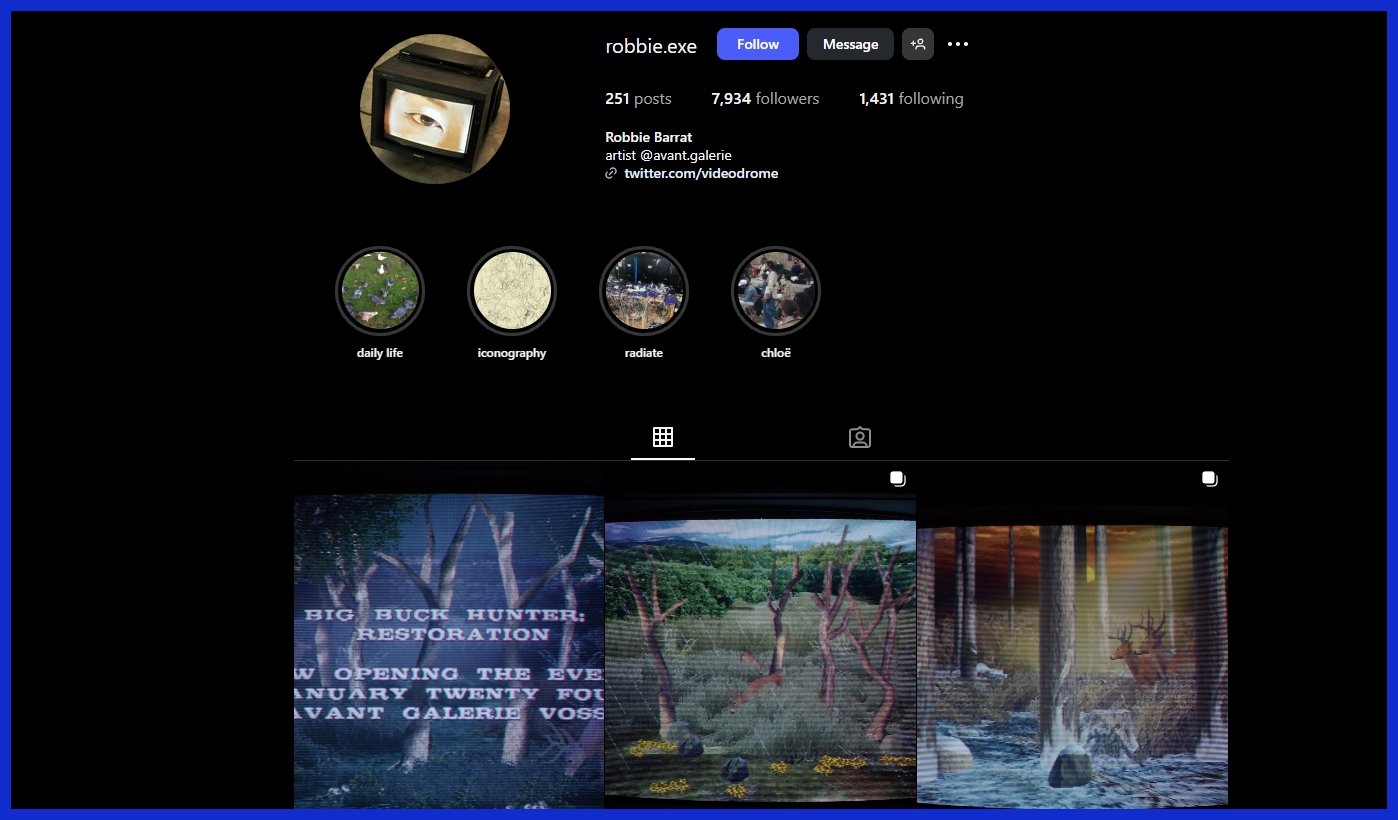
Robbie Barrat is one of the youngest artists utilizing artificial intelligence to push the limits of neural networks, specializing in traditional arts. Born in Dublin in 1999 and raised in West Virginia, Barrat uses machine learning and GANs to explore fashion, architecture, and art history.
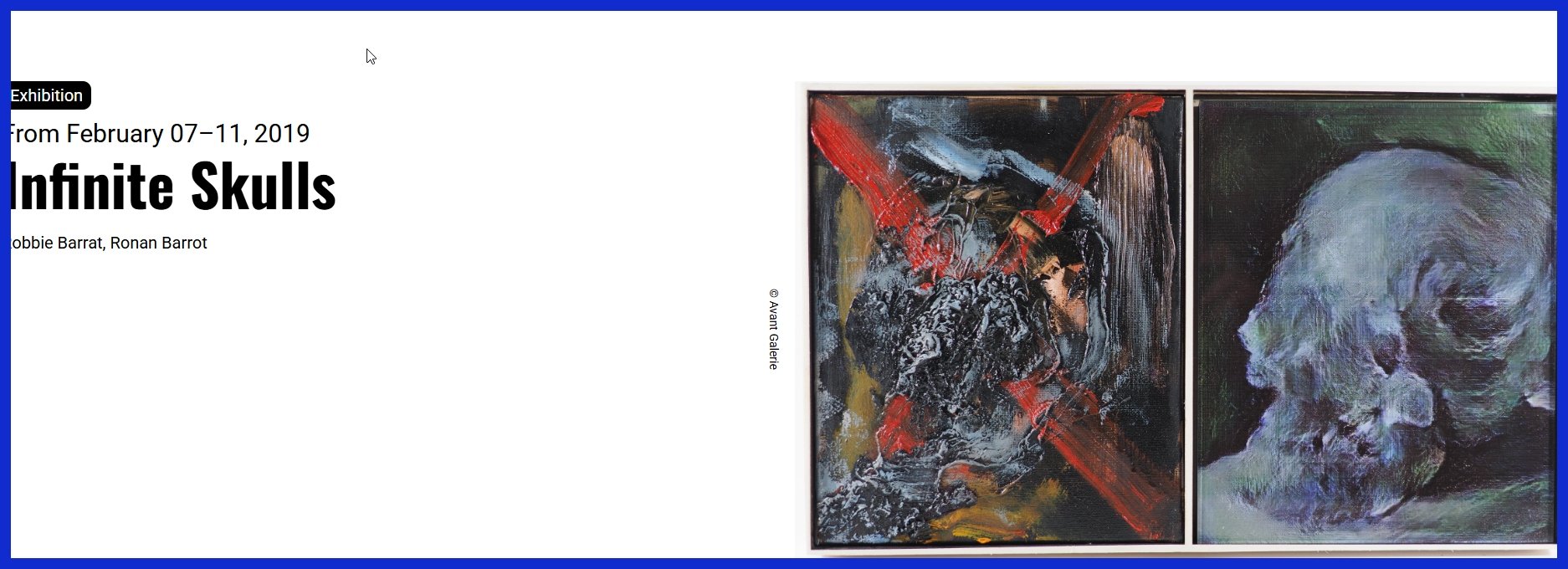
His collaboration with French painter Ronan Barrot resulted in the exhibition “Infinite Skulls,” featuring AI-generated skull images trained on hundreds of Barrot’s paintings.
8. Helena Sarin
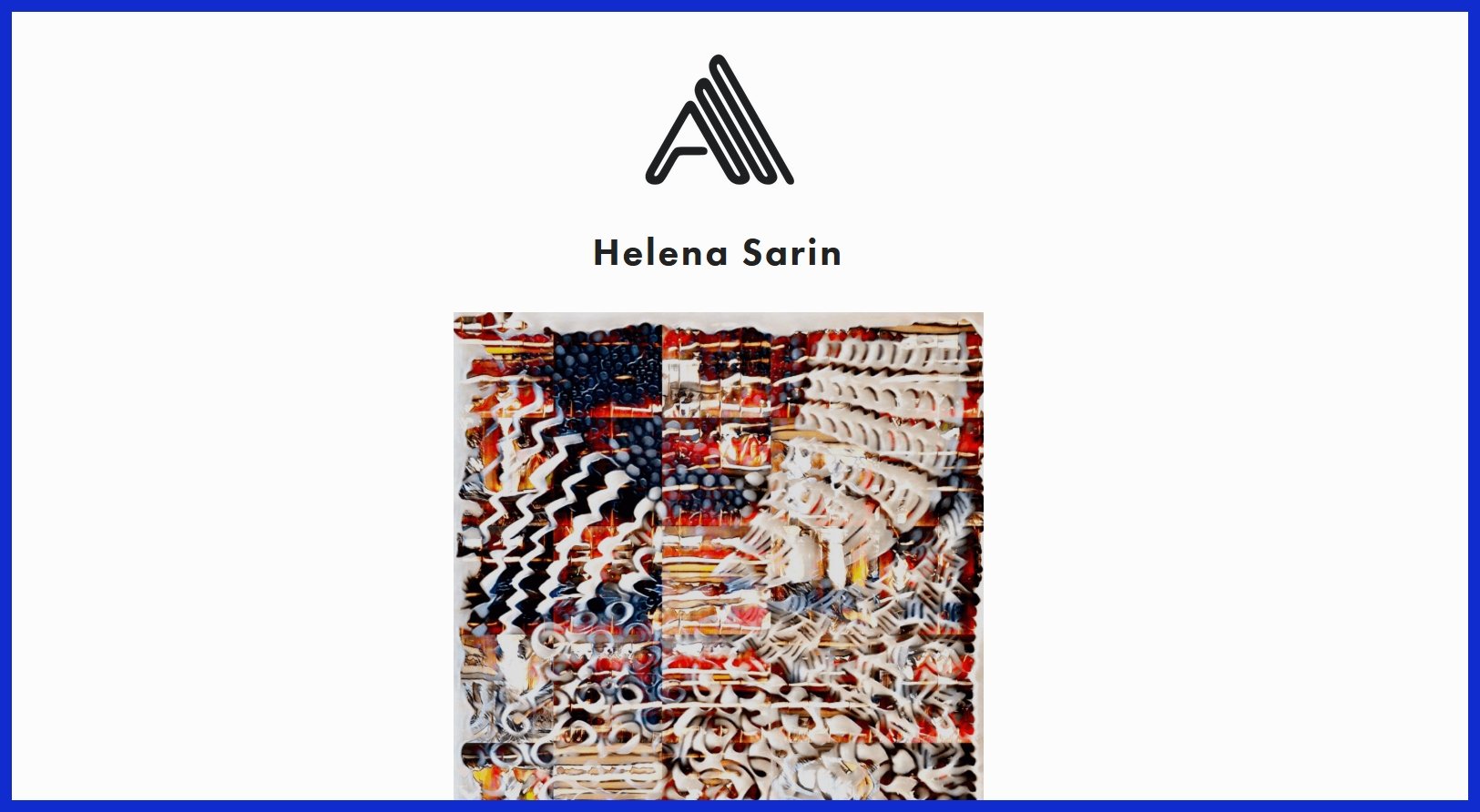
Helena Sarin is a visual artist and software engineer known as the “engineering artist”. With a background at Bell Labs, she blends technology with art through Generative Adversarial Networks (GANs). Sarin distinguishes herself by training GANs on her own hand-drawn art and photos rather than public datasets, creating work that is improvised, bold, and deeply personal. Since 2021, she has pioneered #potteryGAN, crafting 3D ceramics inspired by her AI designs.
9. Stephanie Dinkins
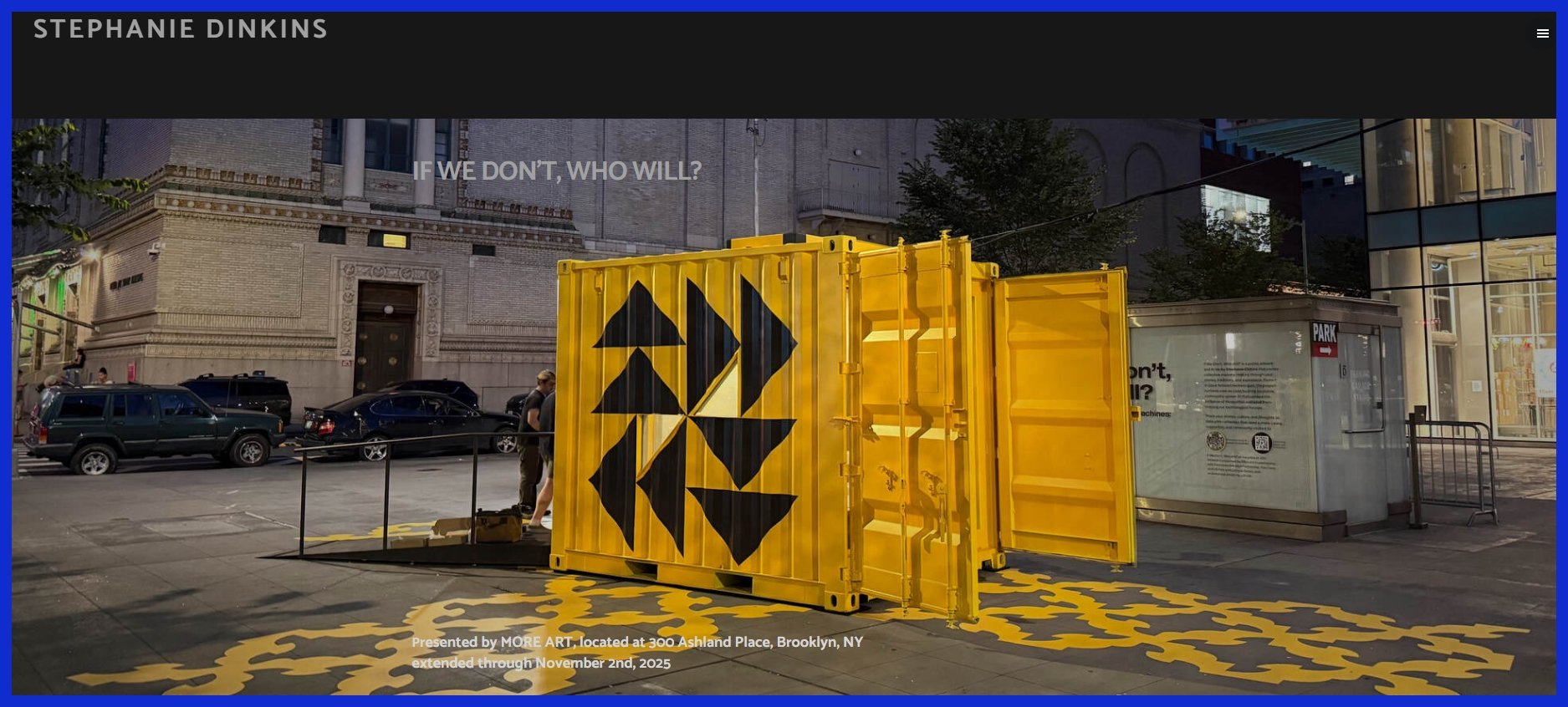
Stephanie Dinkins is a transdisciplinary artist who creates art about artificial intelligence as it intersects race, gender, and history. Her projects include Conversations with Bina48, a series exploring AI and identity, and Not the Only One, a multigenerational AI memoir trained on three generations of her family. Dinkins advocates for co-creation within a social practice framework, ensuring vulnerable communities understand how to use technology to their advantage.
10. Linda Dounia
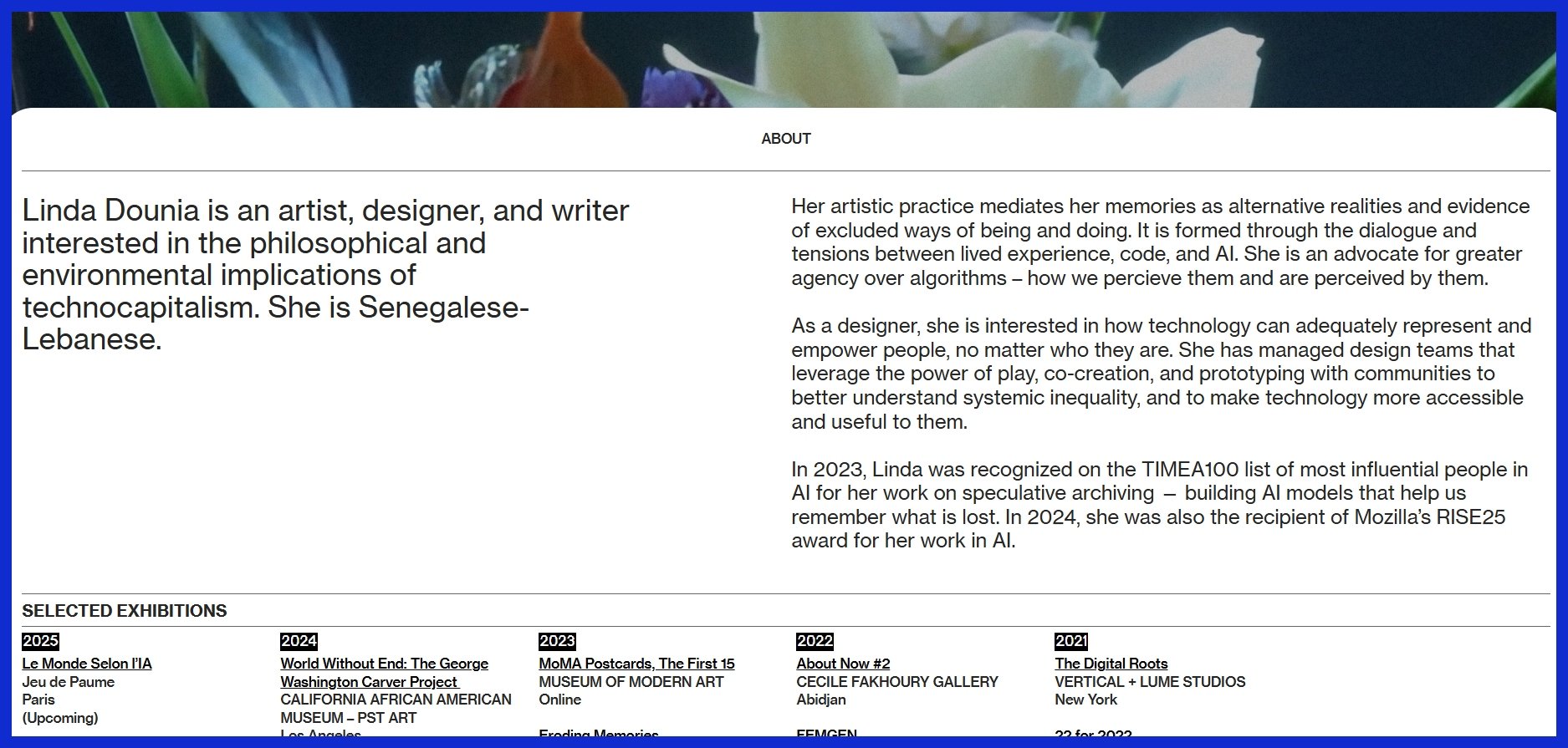
Linda Dounia blends generative adversarial networks with classical art techniques like ink and pastel. Her work bridges digital abstraction and analog textures, often exploring cultural identity and resistance through surreal, layered images. This fusion of traditional and digital methods creates pieces that are both recognizable and unexpected.
11. Jake Elwes
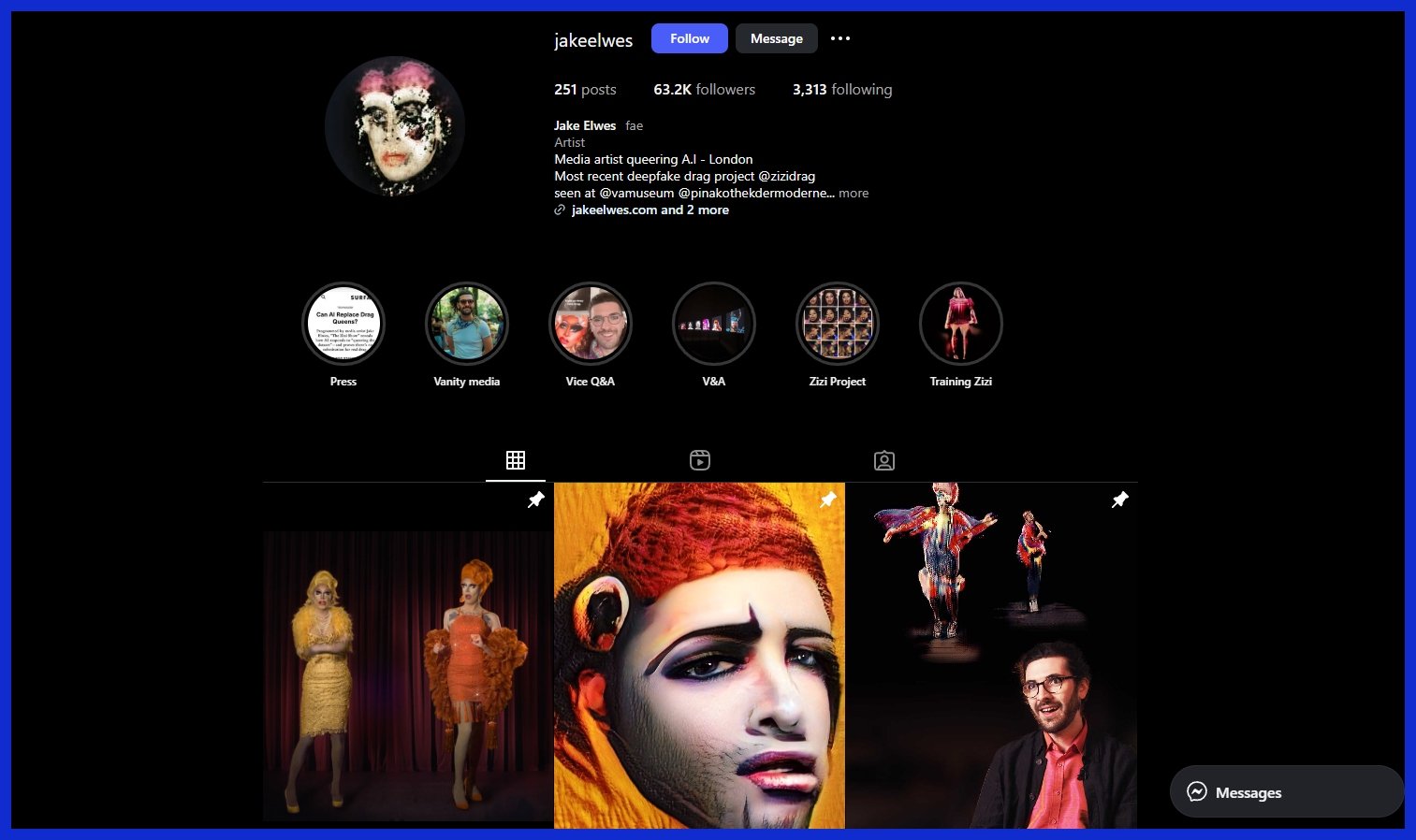
Jake Elwes uses deepfake techniques and AI-driven video to probe issues of identity, bias, and political commentary.
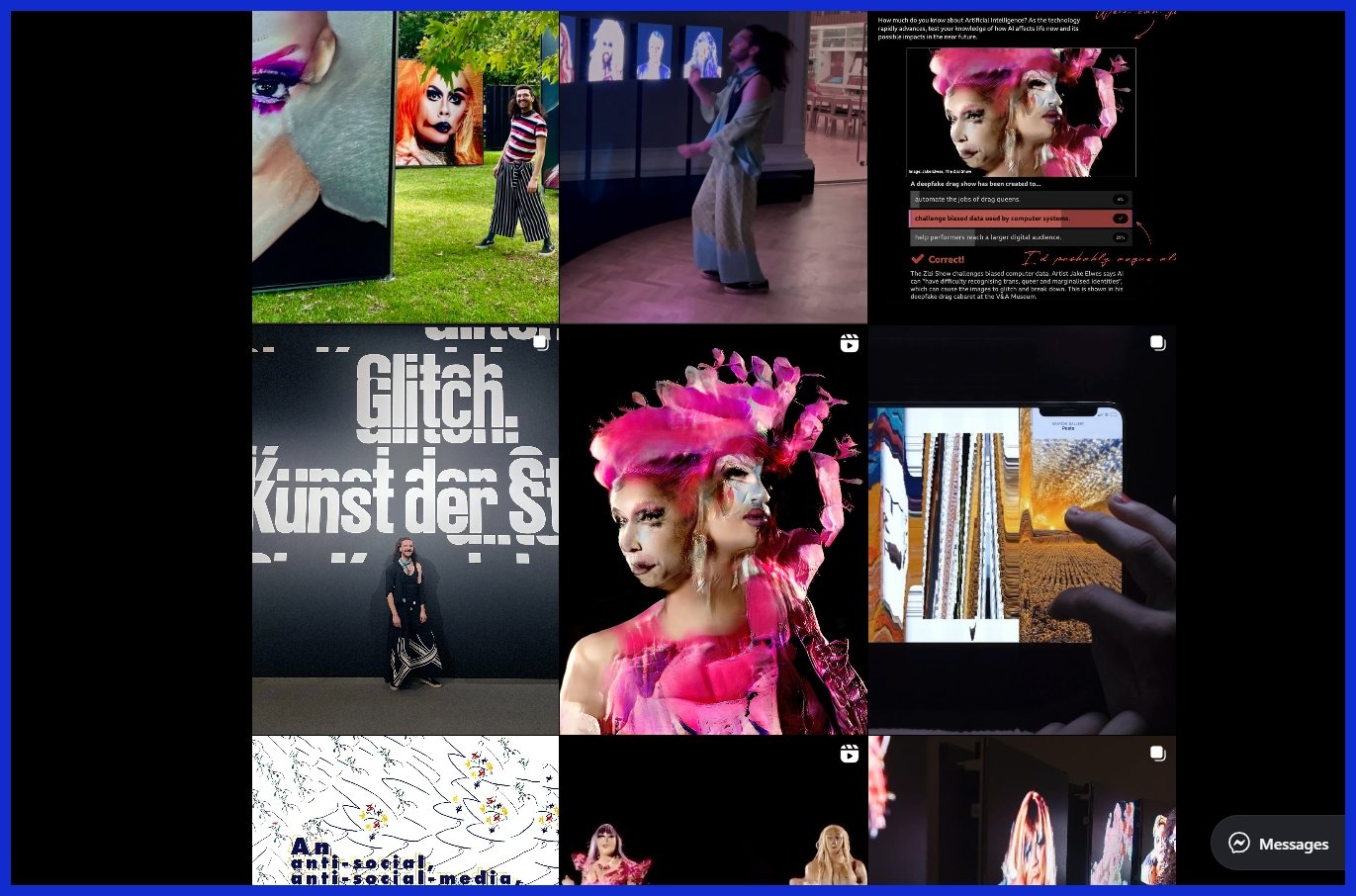
His thought-provoking pieces challenge viewers to reconsider digital representation in a hypermediated world, addressing questions about authenticity and manipulation in the age of AI.
12. Sofia Crespo
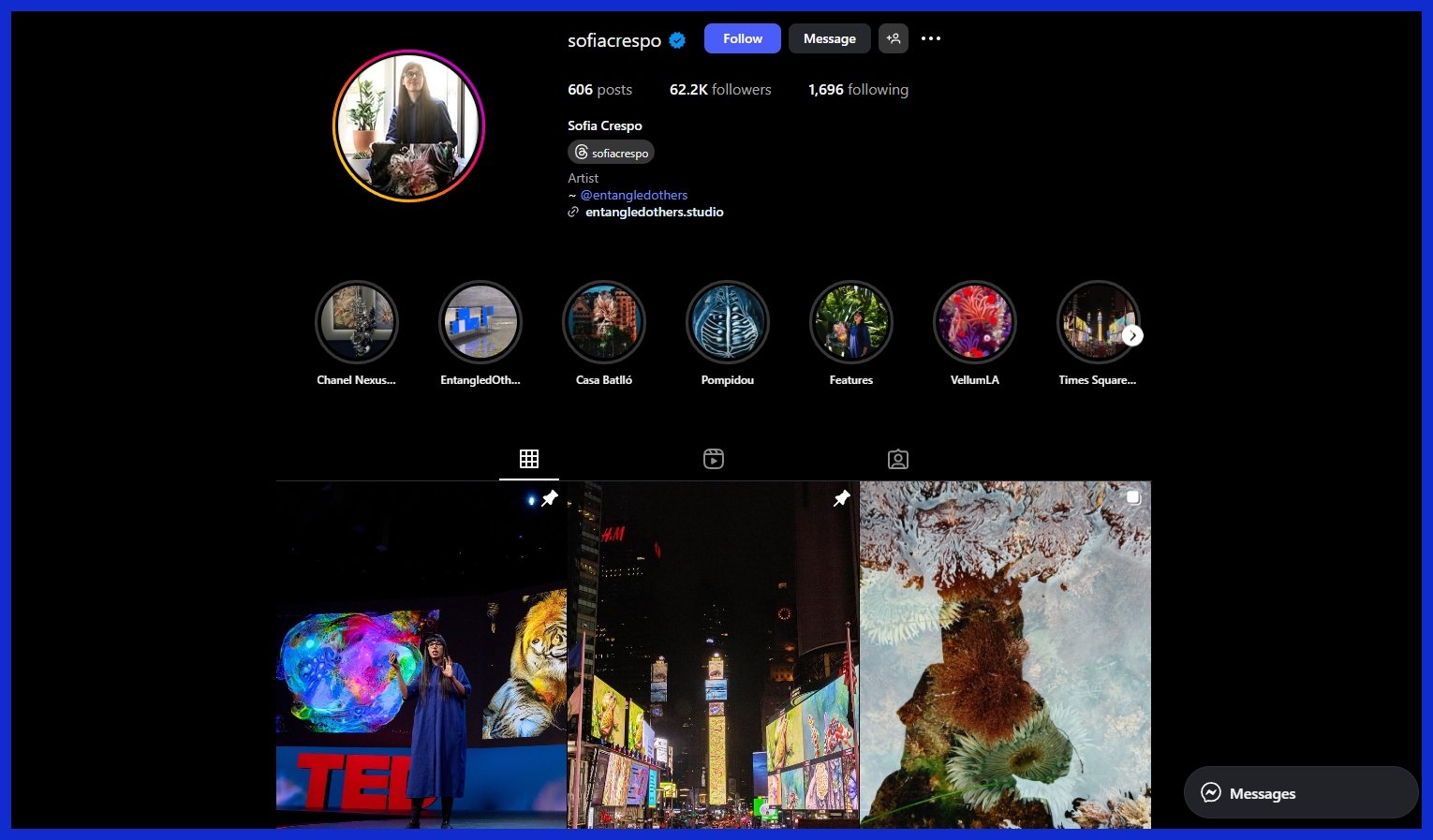
Sofia Crespo reimagines nature through AI, crafting mesmerizing images that explore organic evolution.
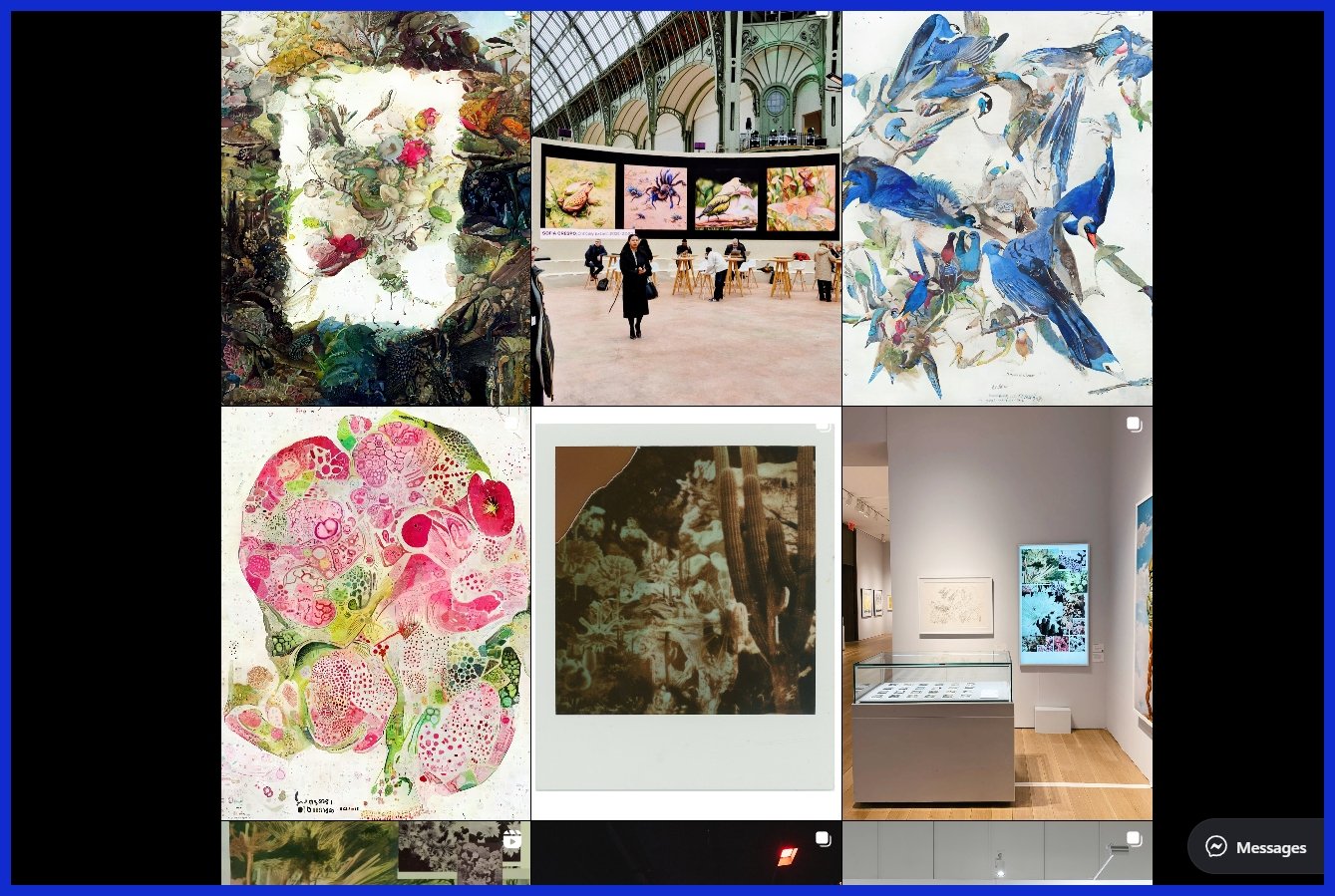
Her generative artworks often reflect themes of growth, decay, and the interplay between technology and biology, creating pieces that feel simultaneously alien and familiar.
13. Botto
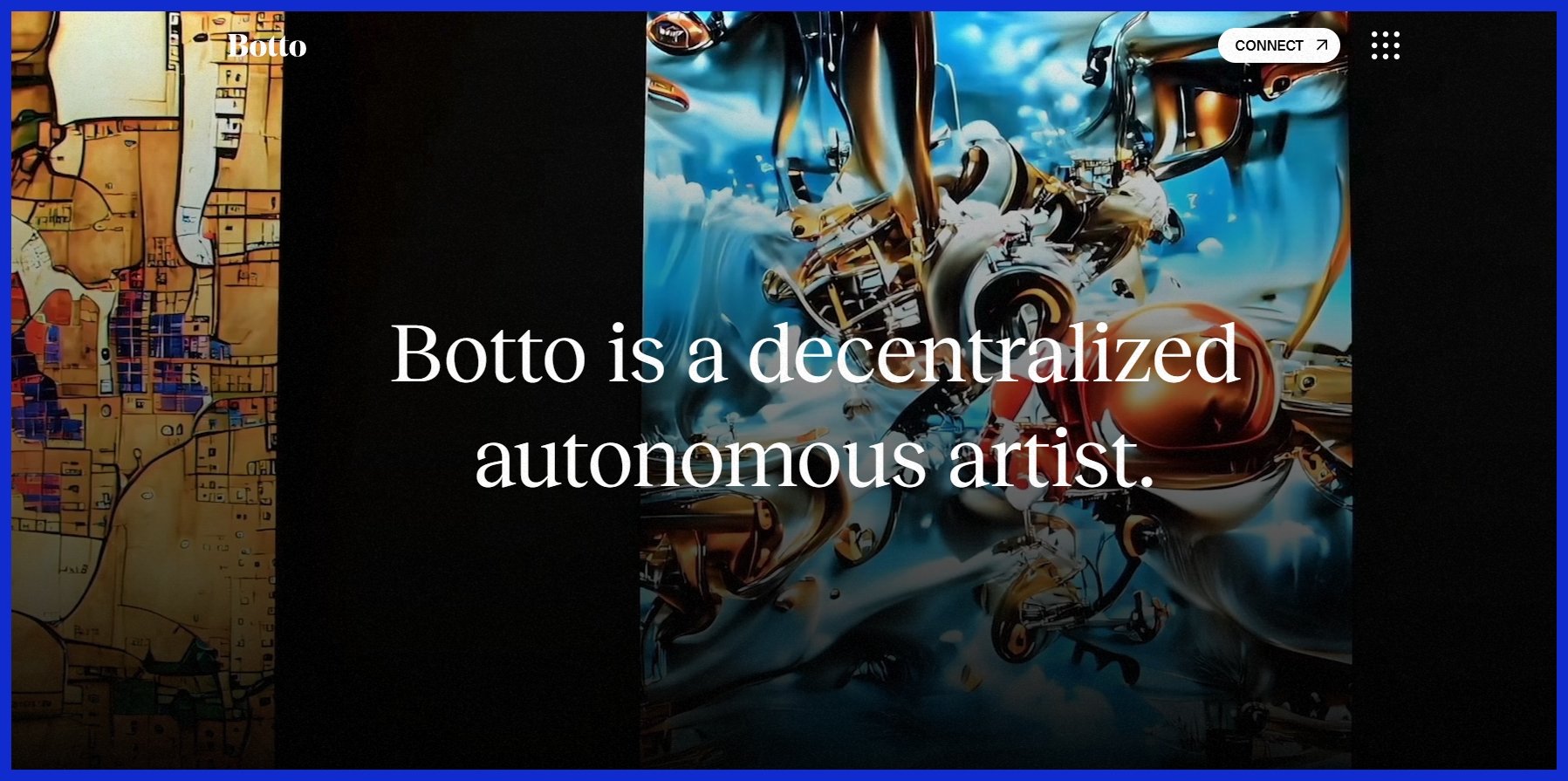
Botto is more a collective than a single artist, using decentralized decision-making to curate AI-generated artworks. Its collaborative process blurs the lines between machine authorship and crowd-sourced creativity, representing a new model for how AI art can be created and valued.
14. James Gerde
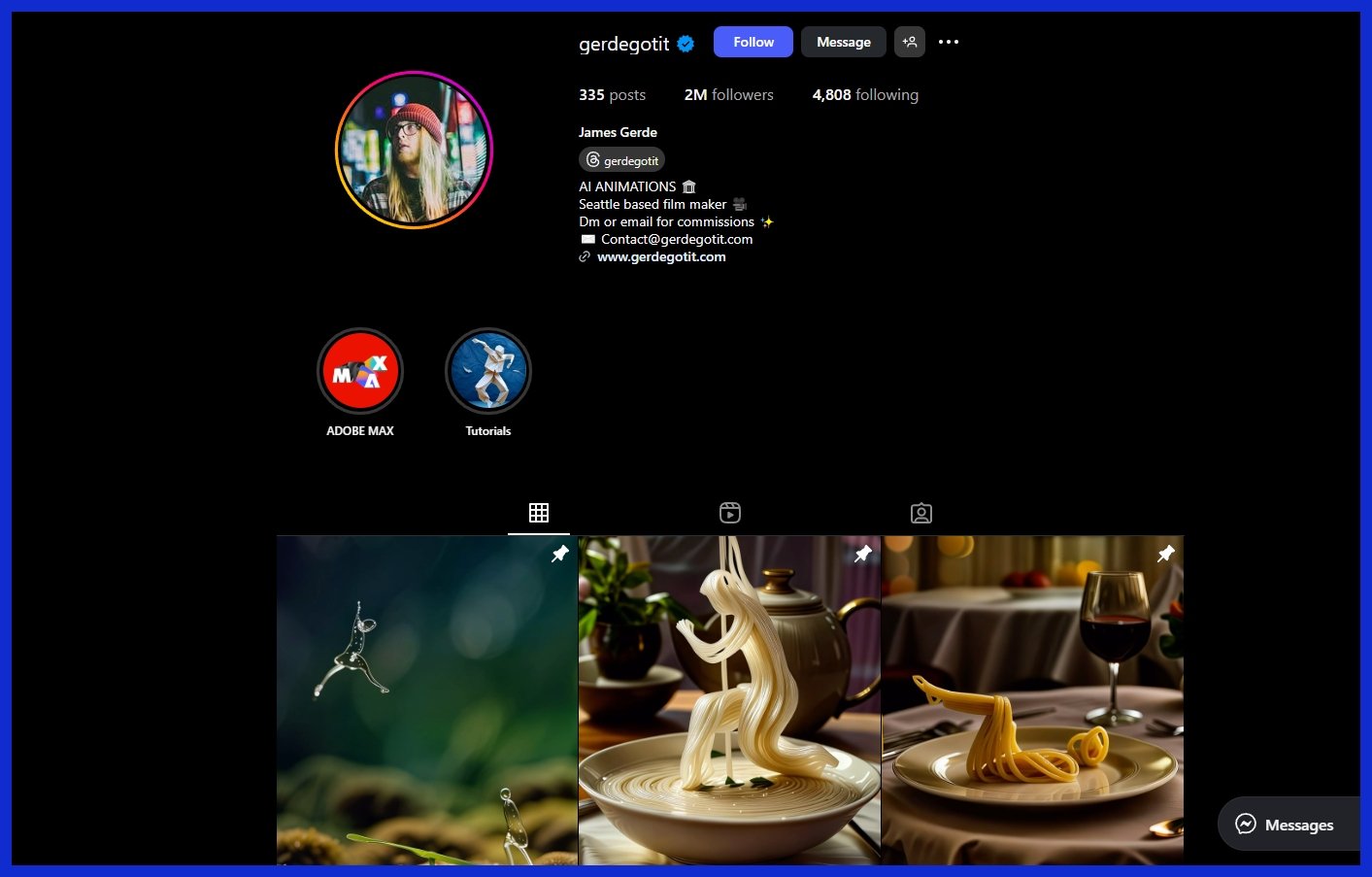
James Gerde is a Seattle-based AI animator and filmmaker with over 1.7 million followers on Instagram.
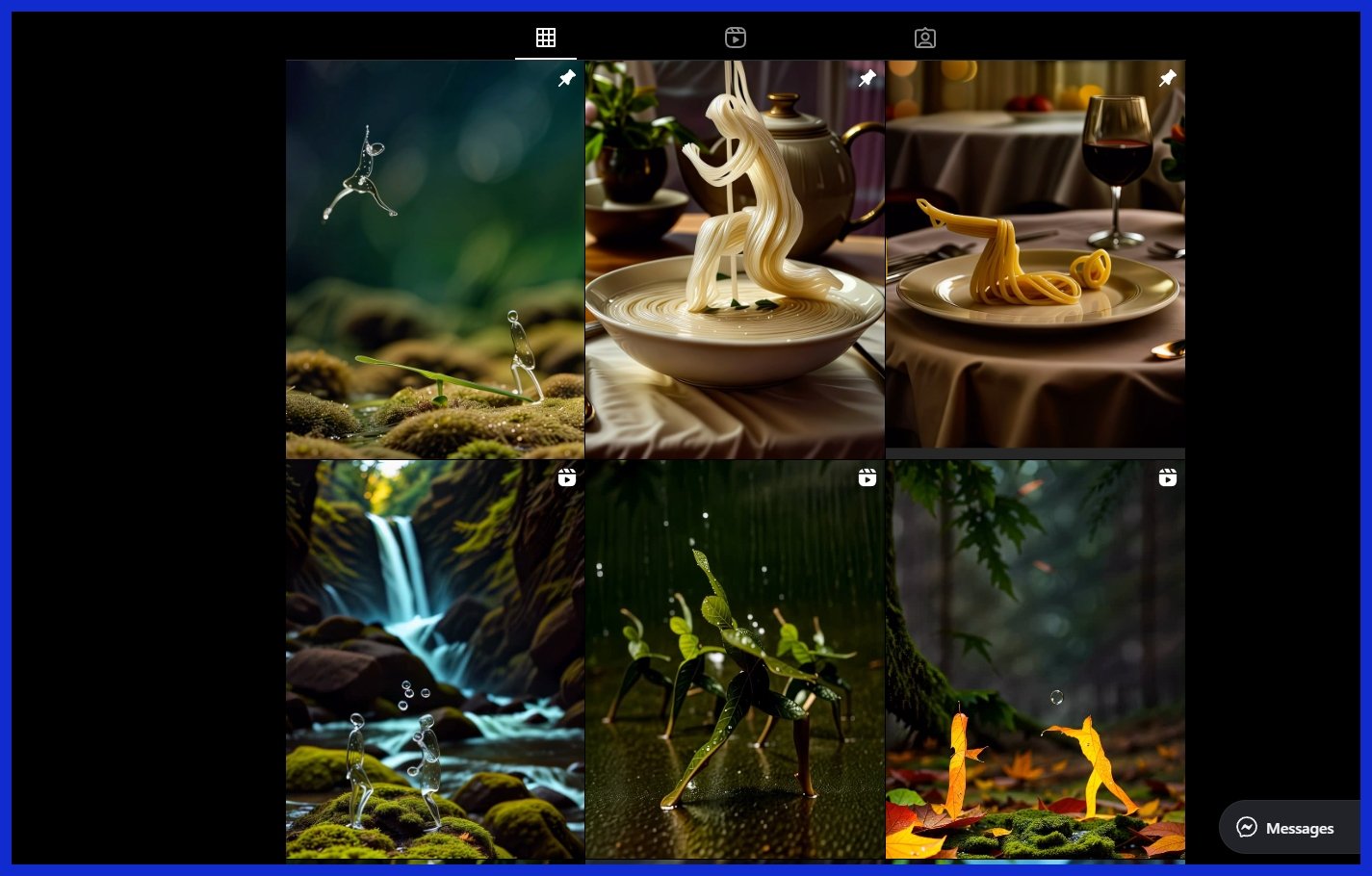
His work focuses on creating surreal AI-generated animations that blend art and technology, often featuring themes of nature, food, and dance. Gerde actively seeks collaborations with marketers and production studios, showcasing his expertise in video production and editing.
15. Bilawal Sidhu
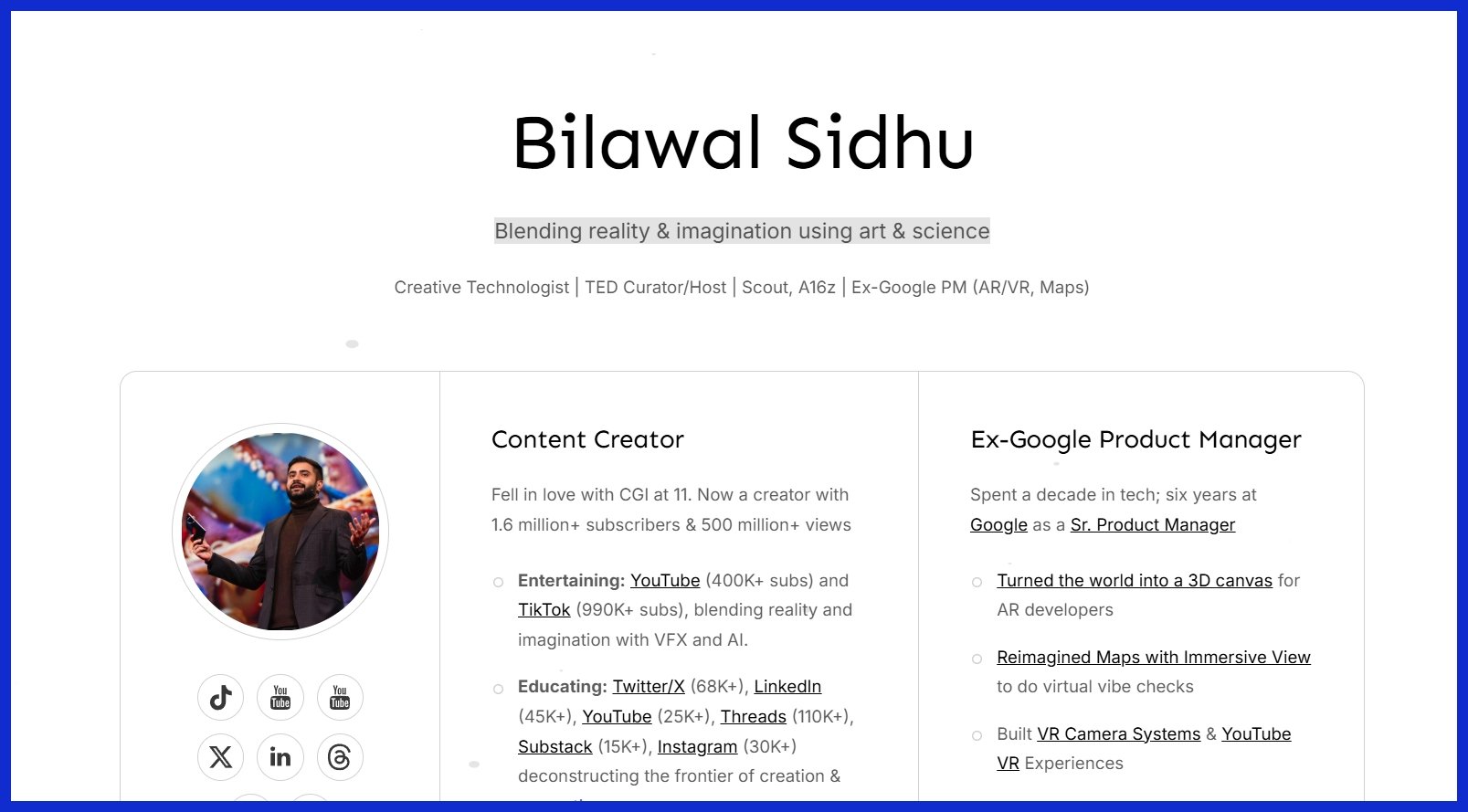
Bilawal Sidhu is a prominent AI creator with over 1.4 million subscribers across platforms. He specializes in blending reality with imagination through VFX, 3D, and AI technologies. Formerly a product manager at Google, he shares insights on generative AI and spatial intelligence, aiming to empower artists and entrepreneurs through tutorials, creative projects, and explorations of emerging tech.
16. Jyo John Mulloor
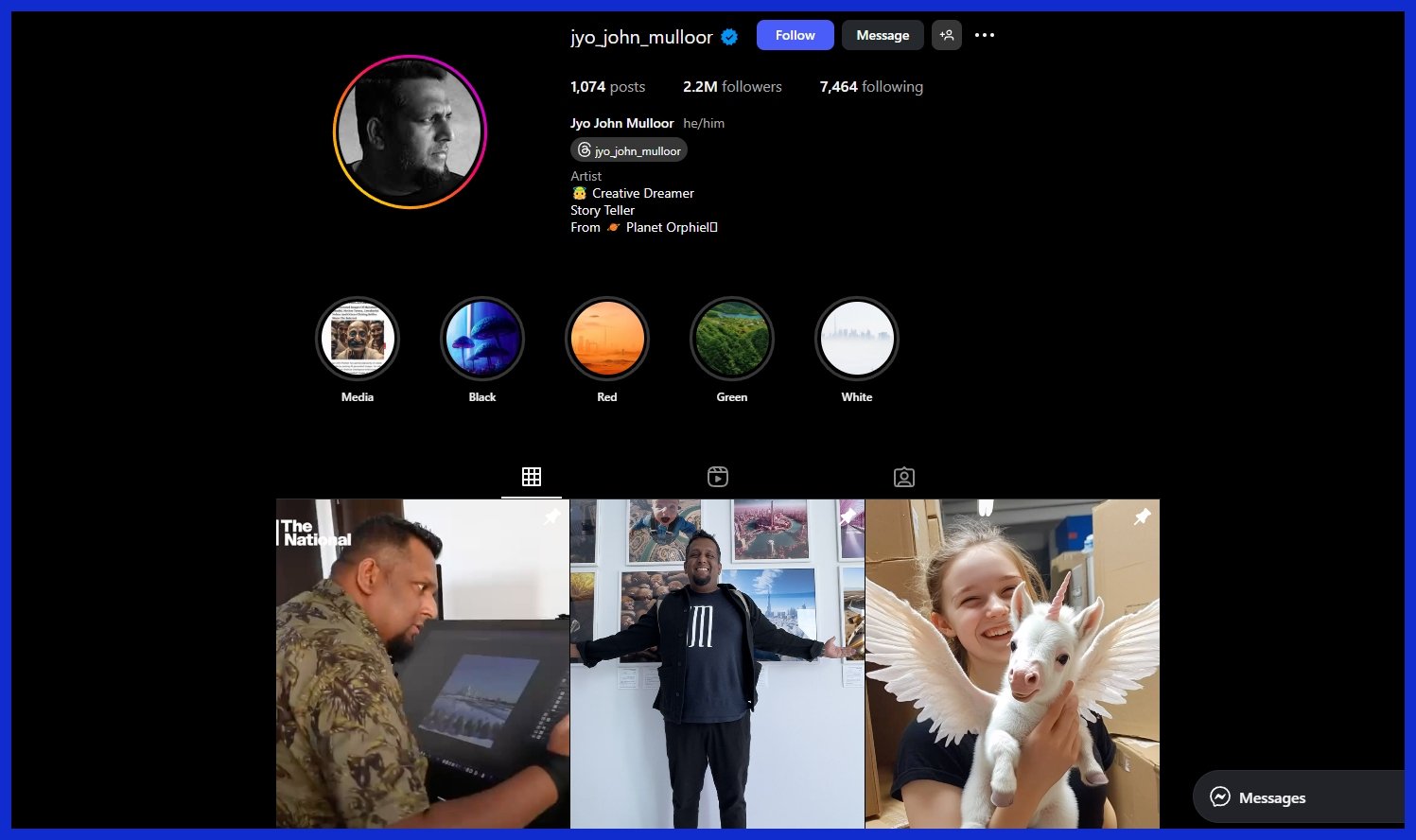
Jyo John Mulloor is a Creative Director and Generative AI Trainer based in Dubai. He shares engaging content that blends humor, art, and reflections on life, often using AI tools for creative projects.
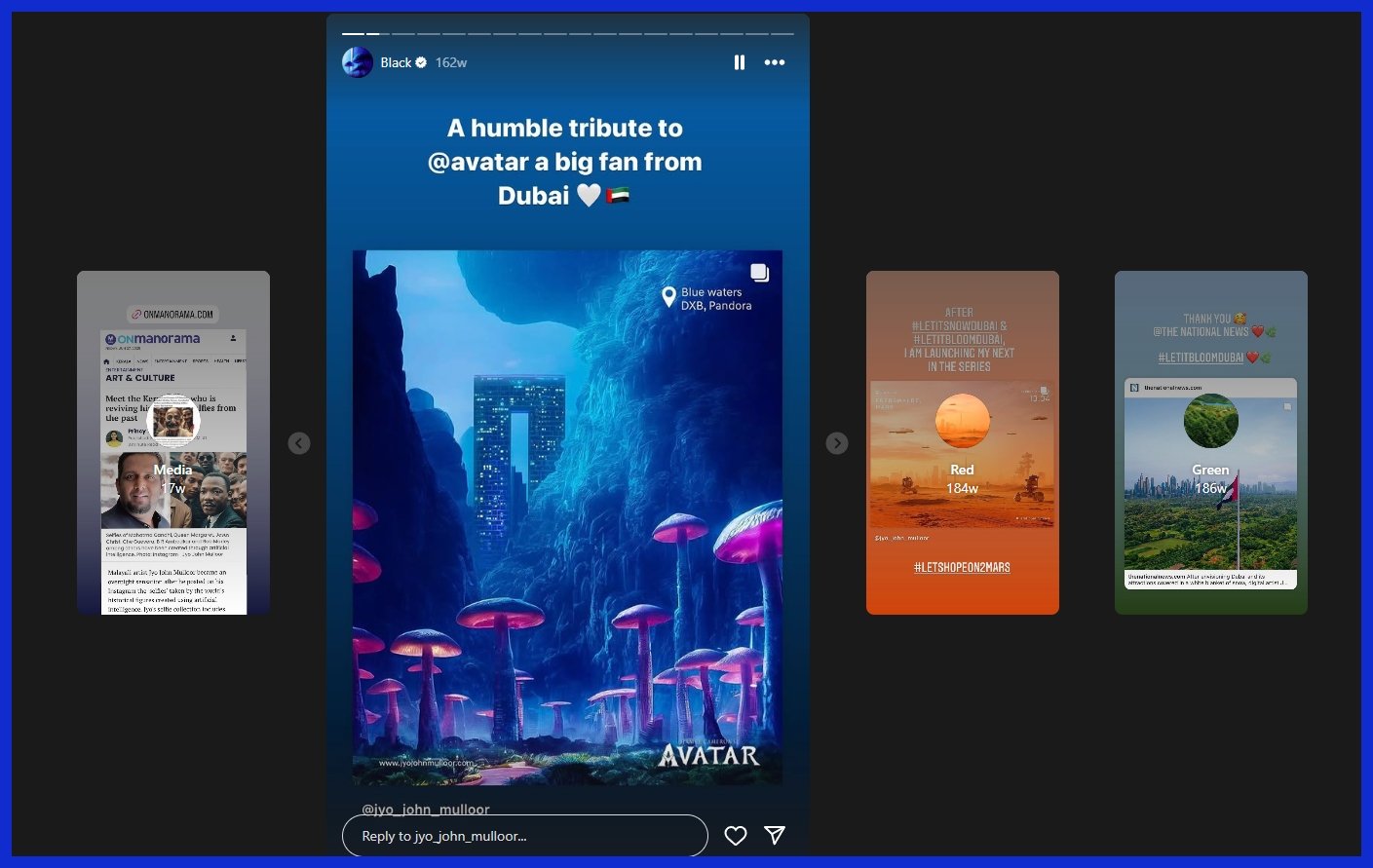
His posts frequently highlight themes of love, independence, and societal issues, while showcasing digital artwork that has garnered significant attention on social media.
17. Edmond Yang
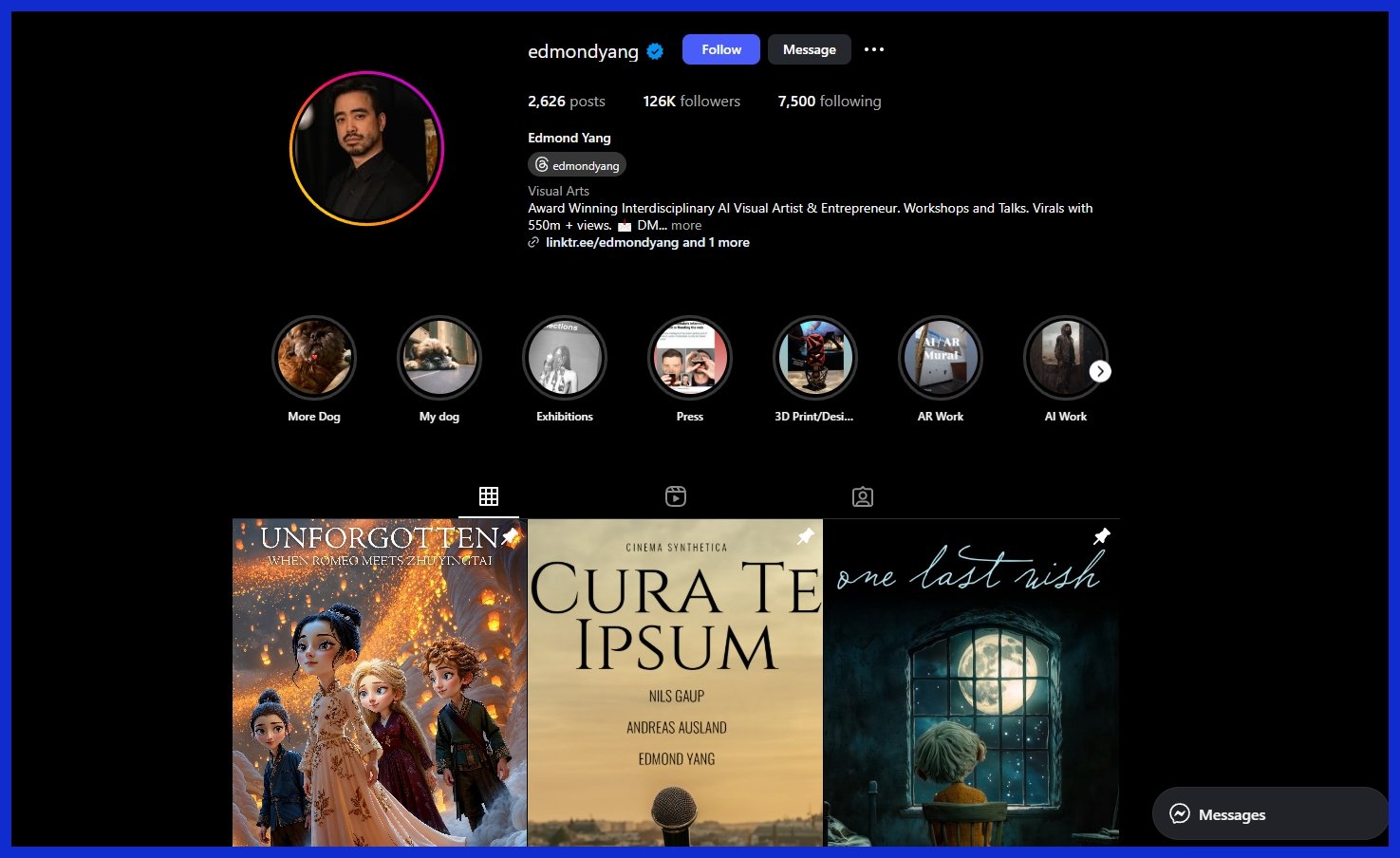
Edmond Yang is an award-winning interdisciplinary AI visual artist and entrepreneur based in Oslo. He specializes in generative AI and creative technology, sharing insights through workshops and talks.
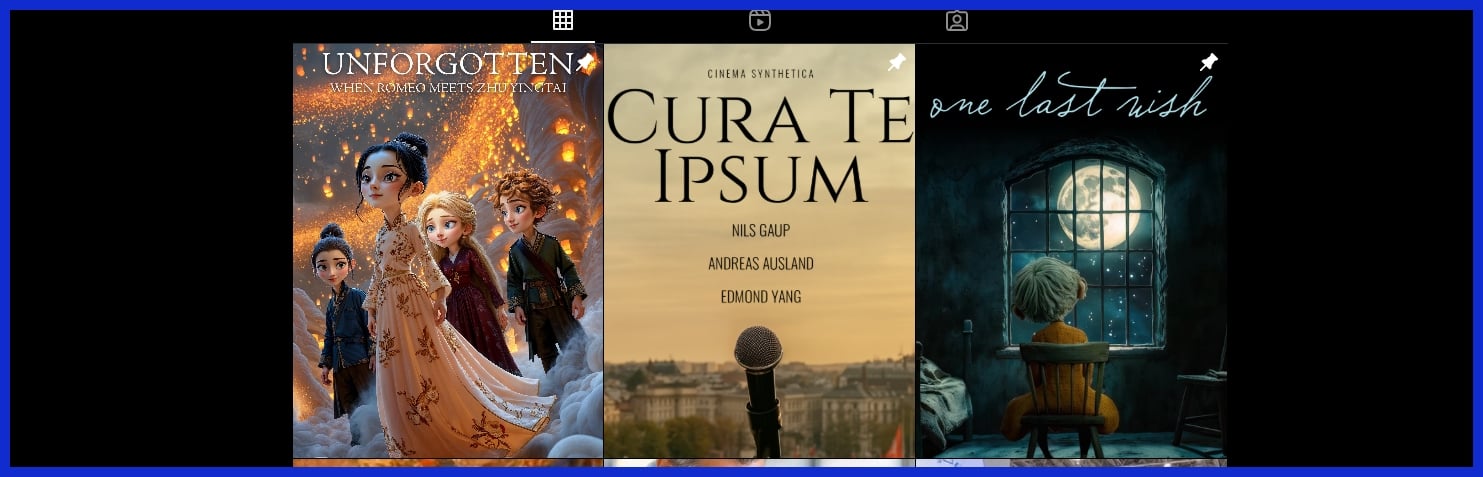
His work has garnered over 300 million views, showcasing a strong presence in the AI art community with behind-the-scenes looks at his creative process.
18. Paulo Aguiar
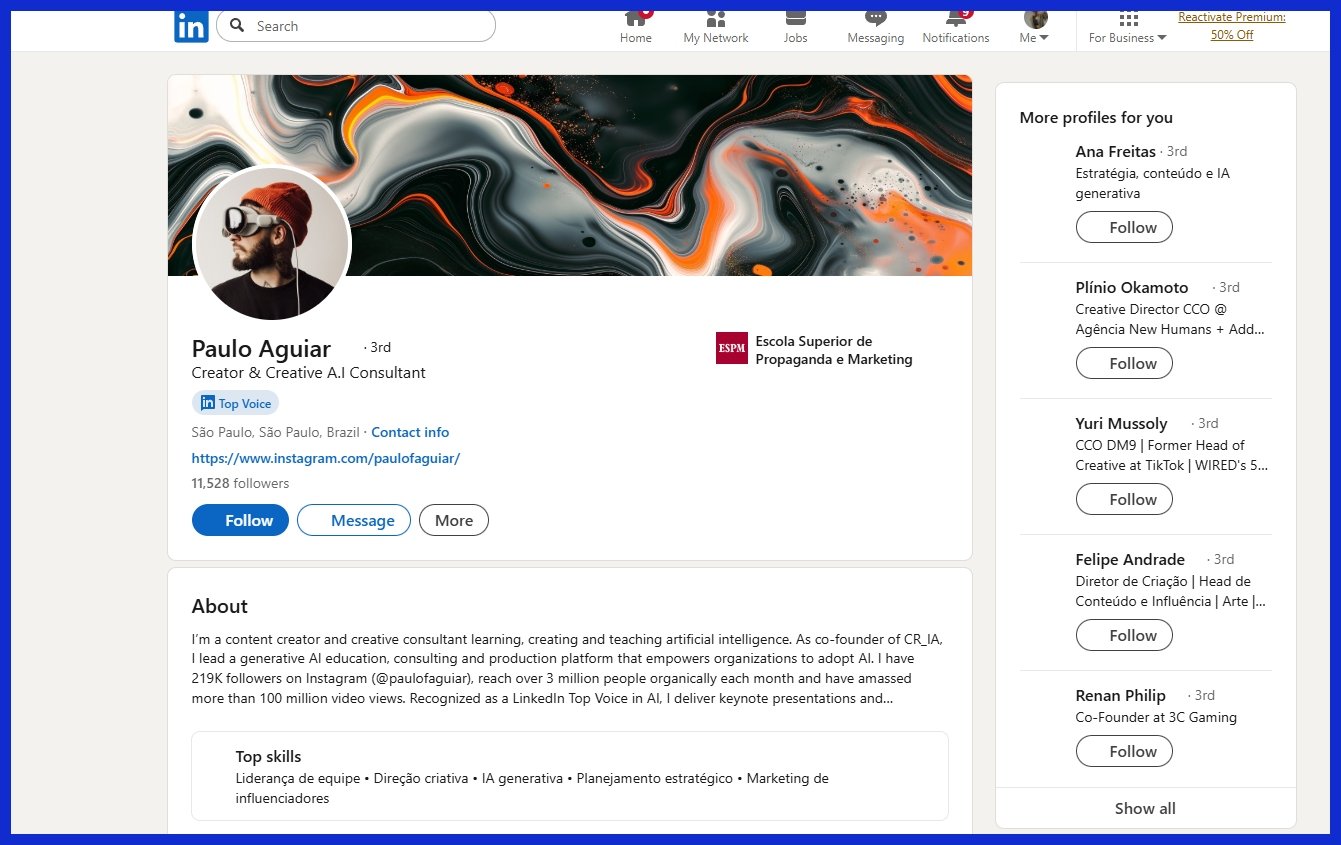
Paulo Aguiar is a multidisciplinary creative and AI consultant, co-founder of CR_IA, focusing on generative AI education and consulting. With 198,000 followers on Instagram and reaching over 3 million people monthly, his content includes tutorials on AI tools, special effects, and creative processes. He collaborates with major brands like NVIDIA and Amazon and is recognized as a LinkedIn Top Voice in AI.
19. Sara Shakeel
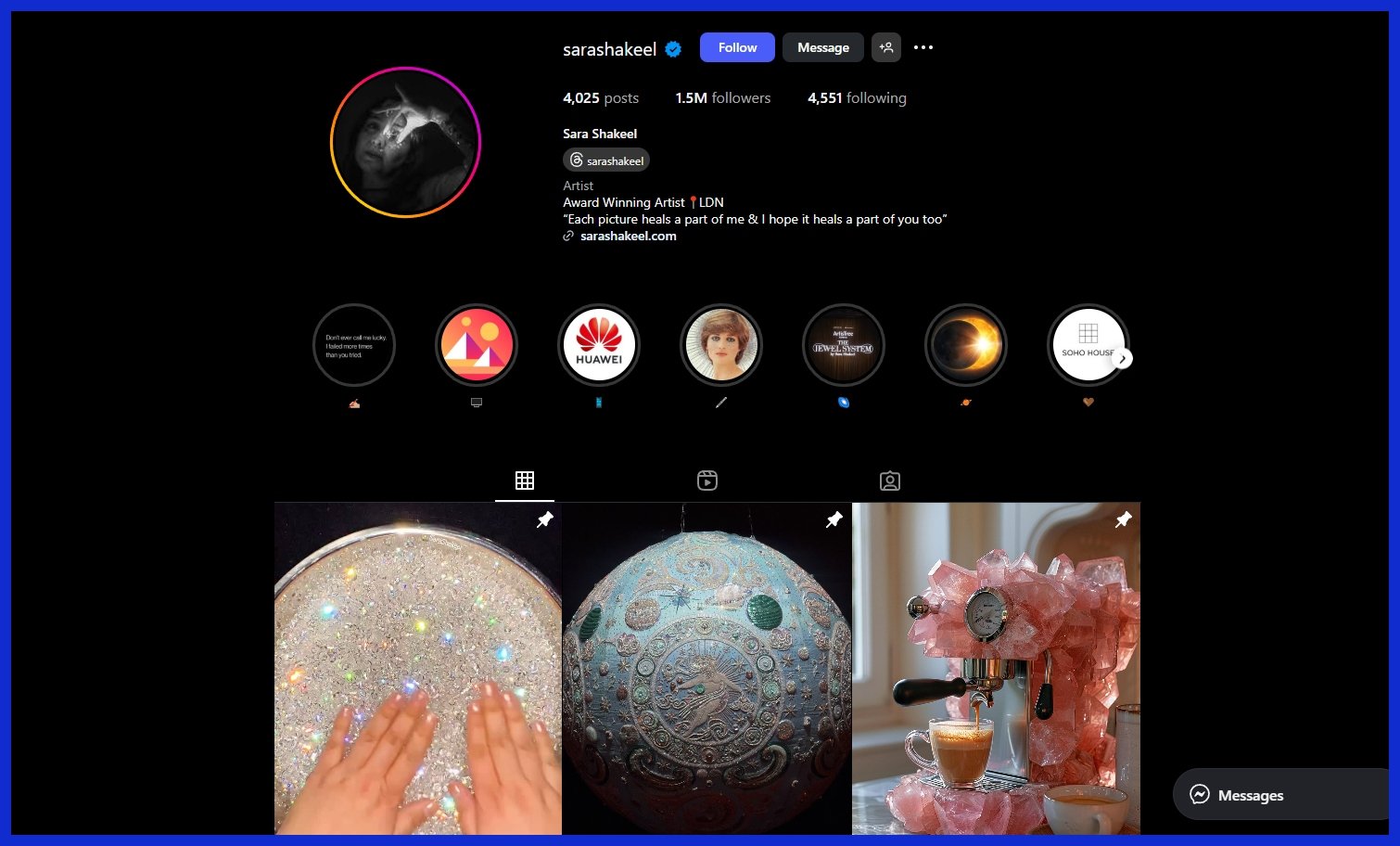
Sara Shakeel is an award-winning artist known for her innovative crystal art and imaginative digital creations. Her work often explores themes of healing and connection, utilizing AI to bring her visions to life. Projects like the ‘Crystal Coffee Machine’ and the ‘Jewel System’ exemplify her unique blend of art and spirituality, characterized by vibrant visuals and strong audience engagement.
20. AIFusionMaster
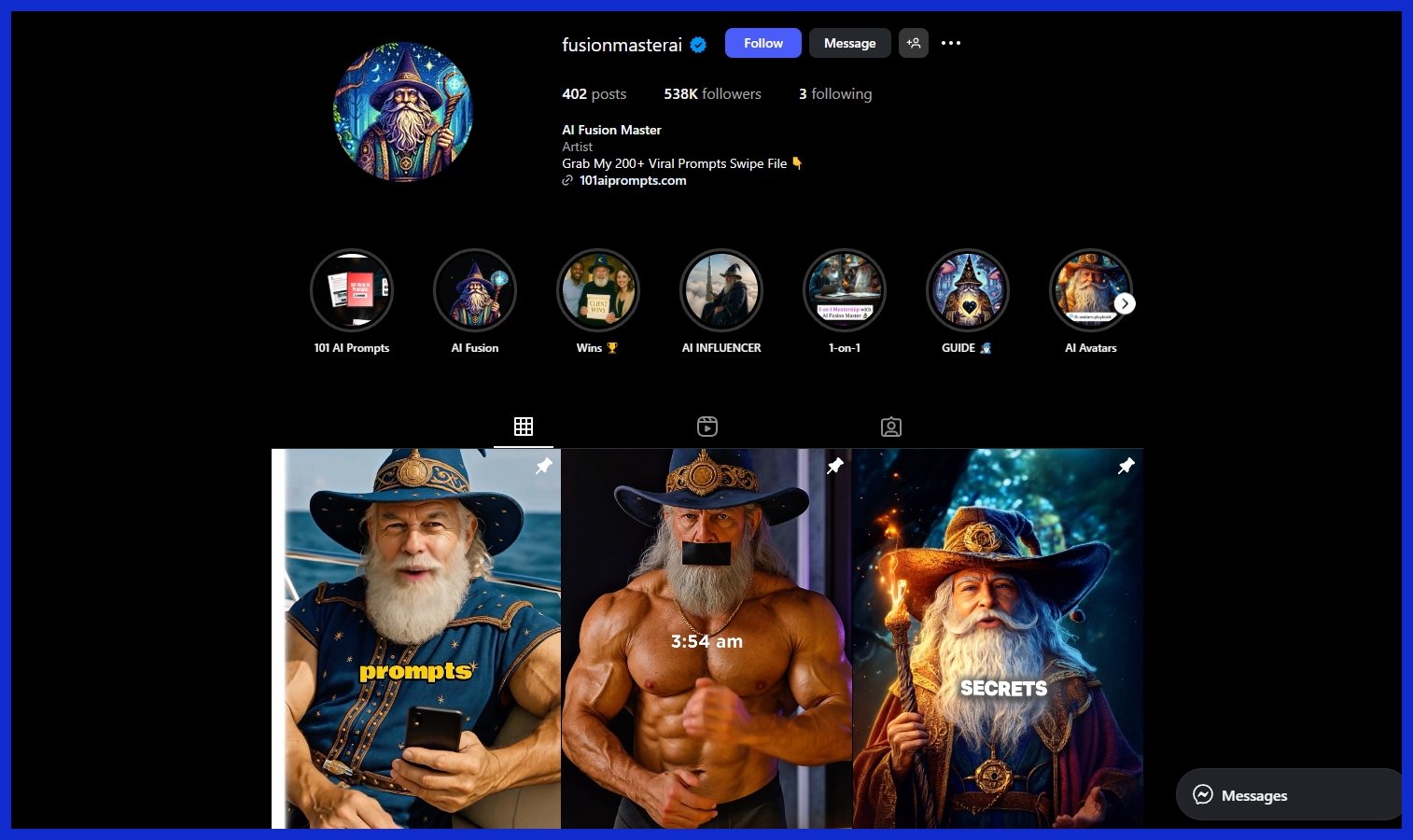
AIFusionMaster is a leading AI content creator known for engaging TikTok videos that creatively depict countries and zodiac signs in humorous and imaginative ways. With a focus on AI-generated art, he shares viral prompts and encourages followers to explore AI tools, featuring themes of transformation and creativity that appeal to audiences interested in technology and art.
These twenty artists represent different approaches to AI art—from those who code their own algorithms to those who use AI as one tool among many in a broader creative practice. Some focus on technical innovation, others on narrative storytelling, and still others on challenging societal assumptions about race, identity, and representation. Together, they demonstrate the breadth and depth of possibility when human creativity meets machine intelligence.
The AI Creative Process
AI art isn’t code or data alone. It’s a path that mixes tech, creativity and a sprinkle of the human hand. This is a process from concept to completion, with each stage influenced by the hybrid of the machine’s reasoning and the artist’s vision.
AI tools have simplified testing new styles quickly, breaking guidelines and discovering methods to make art. They still depend on human expertise to sculpt and refine the output. Even as AI gets clever, it thrives inside fixed parameters, lacking those flashes of intuition or emotion humans can contribute.
Here’s how the AI creative process unfolds:
-
Conception: Starts with an idea or need. The artist or client paints the vision, establishes goals, and selects the appropriate AI tool.
-
The artist crafts prompts for the AI, selecting language to influence style, substance, or tone. Little tweaks can shift the resulting picture significantly.
-
Training: The AI learns from huge datasets, picking up patterns, styles, and techniques. More data leads to improved, diverse output.
-
Experimentation: Artists test and tweak, using AI to quickly try new things, mix styles, or get past creative blocks.
-
Refining: The first results are rarely perfect. Artists sift through, provide feedback, and adjust prompts or parameters. This cycle continues until the art resonates.
-
Finalization: The best version is picked, cleaned up, and made ready for use. Occasionally, manual edits or additional design work is incorporated, particularly for professional requirements.
Prompting
Great prompts are the lifeblood of AI art. The words you select don’t just inform the AI what to create but how to create it. A prompt such as ‘a city at sunset’ is generic.
Add specifics—‘a bustling Tokyo street at sunset, neon lights shimmering, rain glistening on the pavement’—and the outcomes become more vivid and distinctive. Certain prompts take the AI in the direction of a more focused vision, but loose prompting at times results in serendipitous surprises.
Artists discover a balance using trial and error to calibrate their prompts. Tools such as Graphically.io assist by allowing users to rapidly experiment with multiple prompts, significantly reducing the time and effort involved.
Training
Training an AI model involves providing it with thousands, sometimes millions of images, enabling it to detect patterns and replicate aesthetics. This big data method allows AI art generators to create unique artworks in multiple styles, ranging from traditional to contemporary.
Refining
The art that emerges initially is merely a point of departure. Artists apply feedback, both their own and from others, to direct the AI’s subsequent attempts. Sometimes it’s just minor edits, such as color adjustments or cropping, and other times the artists go in with hand brushes.
This back-and-forth is crucial for quality, particularly when art is for commerce or advertising. Design services such as Graphically.io introduce veteran designers to refine AI art, combining tech swiftness with a human sensibility.
Art, Ethics, and Ownership
AI-generated art is disrupting our notions of creativity, ownership, and what constitutes art. With AI art generators churning out catalogue-level pieces in human artist style, questions arise about who owns them, what rights exist, and how art institutions can possibly keep up with new tech. Small shops and agencies have to navigate these waters too, as they decide when to use human designers or AI tools, sometimes looking to strike a balance of value and originality.
Copyright
Copyright has a hard time keeping up with AI art. When a machine produces an image, it’s uncertain whether the rights belong to the programmer, the prompter, or even the AI. Conventional copyright depends on human ownership, so this is a gray zone. Some artists were concerned their work was used as training data without consent, leading to infringement worries.
It’s hard to say this stuff belongs to you. Even if artists dedicate hours to polishing prompts or editing outputs, the law ignores this work. Others argue that AI art is a collaborative effort with credit divided between human and algorithmic contributions.
A few legal cases offer some guidance:
|
Case/Precedent |
Outcome |
Impact on AI Art |
|---|---|---|
|
Naruto v. Slater |
Animals can’t hold copyright |
Raises questions for AI |
|
US Copyright Office 2022 |
Denied copyright for AI-only images |
Human input required |
|
Thaler v. Commissioner |
AI-generated work is not protected by default |
Unclear for future claims |
Negotiations are around copyright. Others advocate for new laws to tackle moral rights, allowing artists to decide if and how their work is used or modified in an AI setting.
Bias
Bias can manifest in AI art in subtle ways. When an algorithm is trained on data that privileges certain cultures, aesthetics, or identities, the outcomes can exclude or distort entire communities. This has implications for what AI art represents and who it reflects.
To cut bias, creators and companies can use these strategies:
|
Strategy |
Description |
|---|---|
|
Diversify training datasets |
Use images from many sources and cultures |
|
Regular bias audits |
Check AI outputs for unfair patterns |
|
Human oversight |
Include people from varied backgrounds in the review |
|
Transparent processes |
Share how data is chosen and models are built |
Variety in training data is fundamental. The more backgrounds and perspectives we incorporate, the richer and more equitable AI art becomes.
Value
AI art’s worth is fiercely contested. Certain ones think it has none of the soul of traditional art, others perceive it as a new swell of creativity. AI pieces’ auction prices have soared. One piece sold for more than USD 400,000, indicating there’s genuine interest.
There’s still a lot of skepticism about whether these pieces hold the same value as art created by hand. Collectors and fans go a long way in establishing the marketplace. Their choices show what the public values: novelty, tech skill, or human touch. Originality, story, and the artist’s role matter when you price AI art.
Here are the key debates:
-
Is AI art as “authentic” as traditional art?
-
Does the absence of a human maker diminish its worth?
-
Is AI art worth less because it can be made quickly?
-
Can AI and human artists collaborate to create new forms of art?
If AI art is in fact original, how do art institutions and galleries judge its worth? Institutions need to step up and articulate the ethic. They help define standards and assist not only artists but tech pioneers as well.
Conclusion
AI artists are continuously refreshing the art world by blending code and creativity to produce eye-catching, innovative works. From small businesses to major studios, AI tools are being embraced to accelerate workflows, build unique brands, and spark fresh ideas. Imagine a Parisian bakery using AI-generated designs for new signage or a Brazilian tech company quickly crafting sleek visual content that boosts its brand presence in days instead of weeks. The artist may become the neural network, but the fire of human innovation burns brighter than ever.
Ready to stand out and transform your creative process? Embrace AI art today, explore its endless possibilities for your brand, and ride the wave of this creative revolution before it surges ahead. Connect with Graphically to start your AI art journey and unlock your full creative potential.
Frequently Asked Questions
What is an AI artist?
AI artists use generative adversarial networks to merge technology and creative arts, enabling complex artworks.
How do AI artists create art?
AI artists utilize AI art generators and algorithms, often driven by machine learning, to create unique artworks. This involves training AI on vast datasets to grasp various artistic styles and techniques.
Can AI-generated art express human emotions?
Yes, AI art can evoke emotions, influenced by the human artist’s input and direction, as well as the viewer’s reception of these unique artworks.
Who are some pioneering AI artists?
Among the pioneers were Mario Klingemann, Refik Anadol, and Sougwen Chung, who are reshaping the art creation process by blending technology with creativity, pushing new bounds in digital art.
Who owns art created by AI?
Ownership of AI-generated artworks, including those created through popular ai art generators, varies based on jurisdiction and human contribution, with rights often held by the user or owner of the AI tools.
What ethical issues surround AI art?
Principal issues involve originality, copyright, and data usage in the context of AI art auctions. There are controversies around attributing human contribution and the impact AI art has on analog artists.
What is the future of AI art?
AI art will continue expanding with new tools and partnerships, including innovative ai art generators. This evolution could transform not only the production of quality art creation but also its consumption, introducing new debates about originality and worth.