Table of Contents
- Key Takeaways
- What is a Small Business Brand?
- 6 Action-Oriented (and Inexpensive) Branding Strategies
- Mastering the Micro-Moments
- How to Implement Your Strategy
- Measure Your Brand’s Impact
- Common Branding Pitfalls
- Conclusion
- Frequently Asked Questions
- What is a small business brand?
- What are some inexpensive brand-building strategies?
- Why are micro-moments important for small business branding?
- How can I implement a brand strategy for my small business?
- What are common branding mistakes small businesses make?
- How do I measure my brand’s impact?
- Can a small business rebrand without losing customers?
Key Takeaways
-
Your brand is more than a logo: It is the complete identity of your business, encompassing your core values, mission, and the promise you make to your customers.
-
Big impact doesn’t require a big budget: Cost-effective strategies like authentic storytelling, community involvement, and social media can build powerful brand awareness.
-
Consistency is crucial: Maintaining a unified look, tone, and message across all platforms builds recognition and customer trust.
-
Experience drives loyalty: Prioritizing exceptional customer experiences and actively listening to feedback turns casual buyers into lifelong fans.
-
Digital trust is non-negotiable: Honest communication, highlighting real reviews, and demonstrating online safety are essential for modern small businesses.
-
Measure and adapt: Regularly tracking your brand’s performance ensures your strategy stays relevant and aligned with your growth goals.
What exactly is a small business brand? Simply put, it’s the complete image of what makes your business distinct. It is not just a catchy slogan or a pleasant color palette—it is the combination of your personal values, your mission, and the promise you deliver to your market. Whether you are a freelance tech consultant or a neighborhood bakery, your brand tells the world exactly who you are and what you stand for.
When you build your brand, you are actively shaping how people perceive you, what they expect from you, and how they feel when they work with you. A powerful strategy starts with understanding what matters to your audience. In fact, nearly 66% of global consumers say that feeling a connection to a brand is crucial when deciding where to spend their money. They want to feel that you “get” them.
Getting your branding right is the first step to sustainable growth. A defined approach can earn you wider reach, deeper trust, and a distinct edge over your competitors.
What is a Small Business Brand?
It’s the complete image of what distinguishes your business. It’s more than a logo or slogan; it’s the combination of them, your personal values, your mission, and the promise you make to your customers. This individuality tells others what you’re about and who you are, whether you’re a tech consultant in Berlin or a local bakery in Sydney. A strong brand identity is crucial for any small business owner looking to stand out in a crowded market.

When you build your brand, you’re influencing how people perceive you, what they anticipate from you, and how they experience working with you. A powerful brand strategy begins with understanding what’s important to your customers. Close to 66% of global consumers say brand connection is crucial when choosing who to buy from.
They want to feel that spark—that you just “get” them and care about the same things they do. That’s why your brand should talk to your audience and represent what makes you unique. If you have a digital agency, consider the experience folks have from your work, not simply what you do. Memorable brands, big or small, stick with us because they make an emotional connection through effective branding strategies.
That connection results in trust, return business, and faithful followers. Branding makes a difference in how customers perceive you and whether they’ll return. Your look—colors, fonts, and the way you appear online—is typically the initial impression. It’s your opportunity to shine and create a recognizable brand.
Small businesses with consistent branding can increase their revenue by as much as 23% in all channels. That’s tangible growth. Understanding your customer segments aids in selecting an appropriate tone, style, and messaging. Some buyers gravitate toward small brands because of the personal service. Some remain loyal to the big names.
Nearly 60% of us know exactly what we like. Getting your brand right is the first step to growth. A defined approach to your brand can get you further reach, greater trust, and an opportunity to differentiate. Services such as Graphically.io help small businesses keep their brand looking sharp and on point even without big budgets.
6 Action-Oriented (and Inexpensive) Branding Strategies
1. Leverage Micro-Collaborations (Co-Marketing)
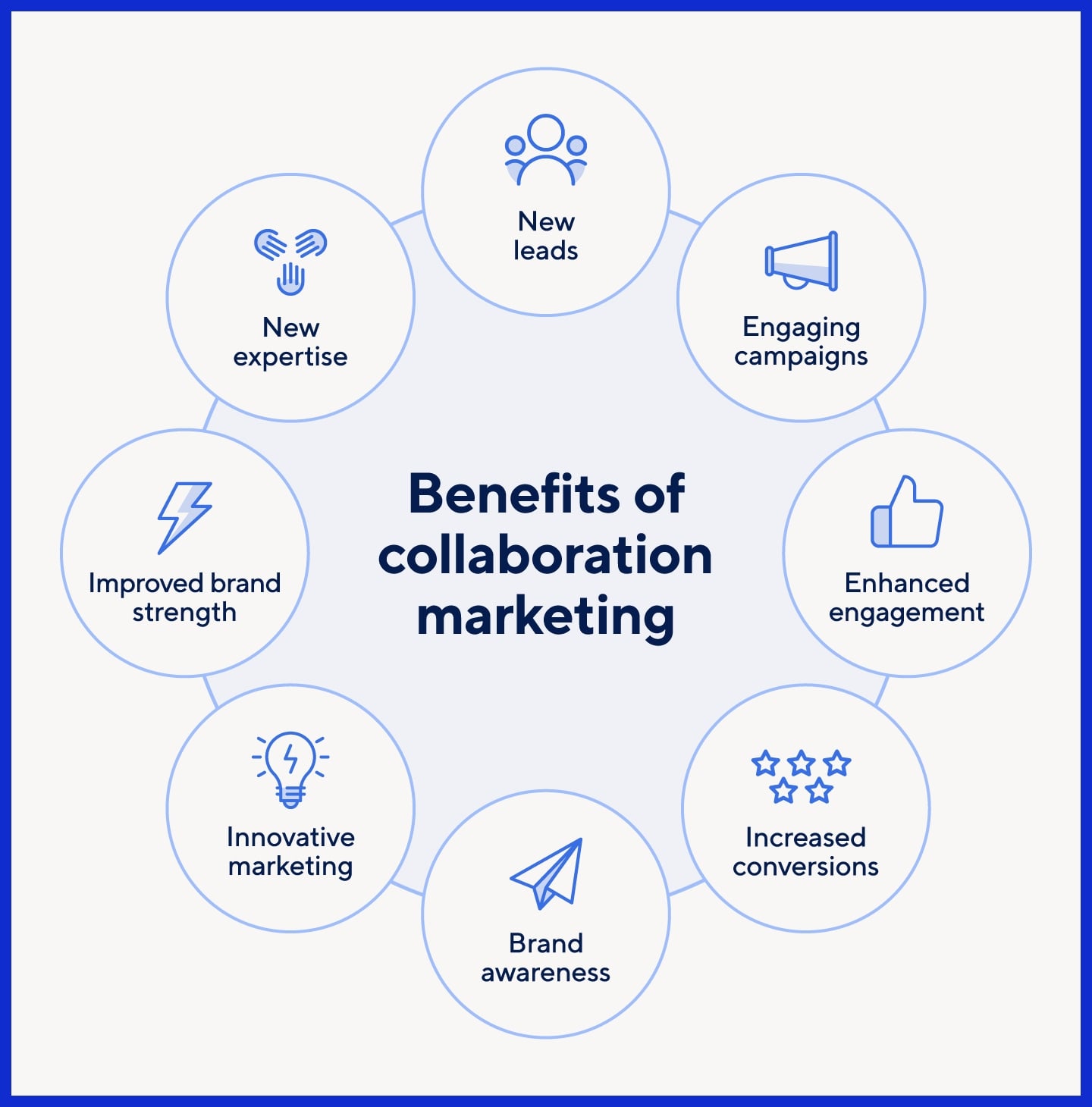
Instead of just networking, actively partner with non-competing businesses that share your target audience. If you own a local coffee shop, partner with a nearby bookstore to offer a “Read & Roast” discount. You instantly double your brand’s reach by tapping into their established, trusting customer base without spending a dime on ads.
2. Harness User-Generated Content (UGC)

Stop paying for glossy product photos and start incentivizing your customers to create content for you. Run a monthly giveaway for customers who tag your brand in their photos, or feature their stories on your social media. UGC acts as incredibly powerful social proof; people trust other consumers far more than they trust a brand’s marketing copy.
3. Optimize Your Google Business Profile
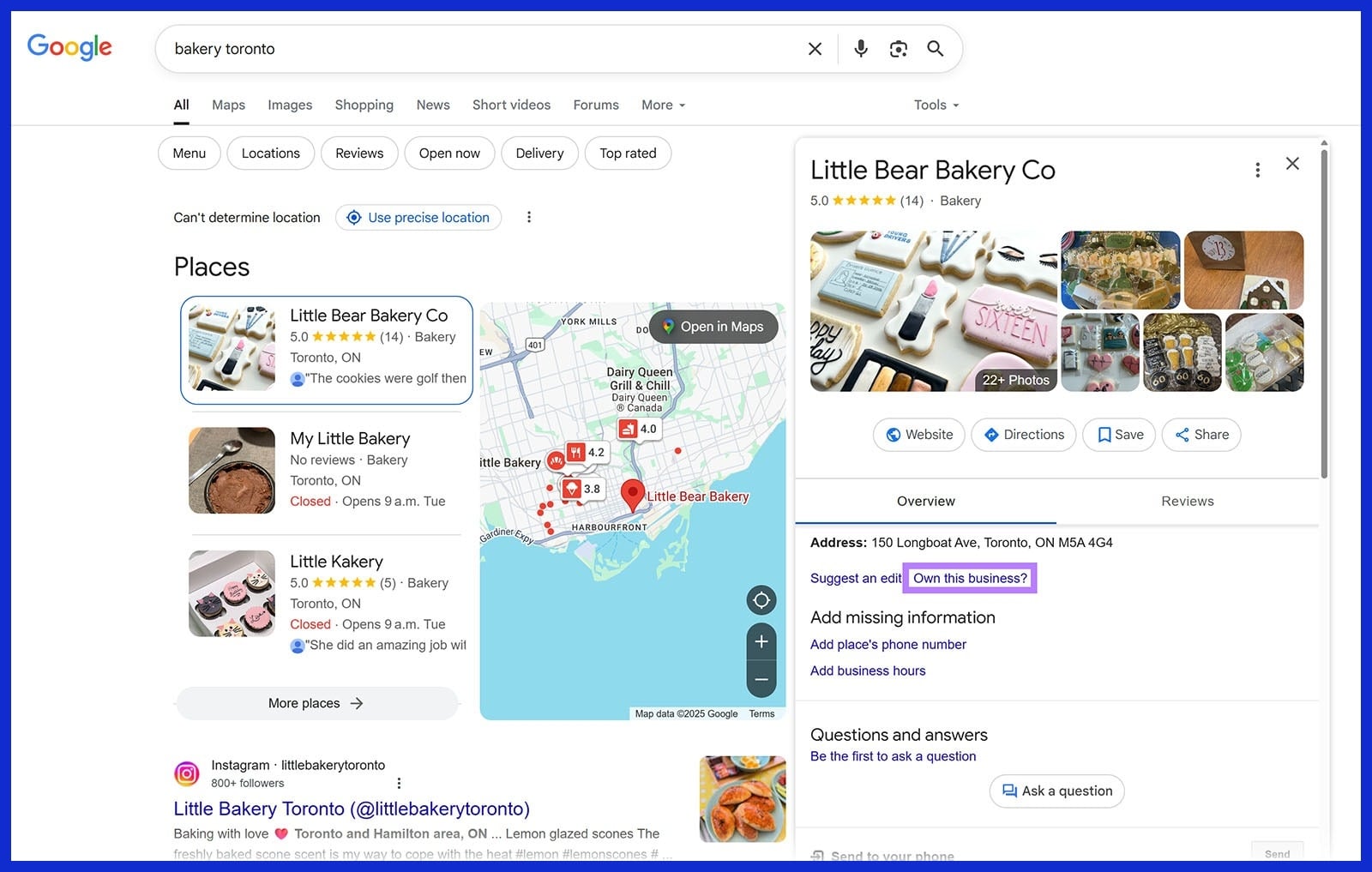
For local and hybrid businesses, your Google Business Profile is often your literal front door. It is 100% free, yet highly underutilized. Keep it meticulously updated with high-quality photos, weekly posts, updated hours, and a steady stream of reviews. A fully optimized profile instantly builds authority and captures high-intent local search traffic.
4. Deploy Personalized Video Outreach
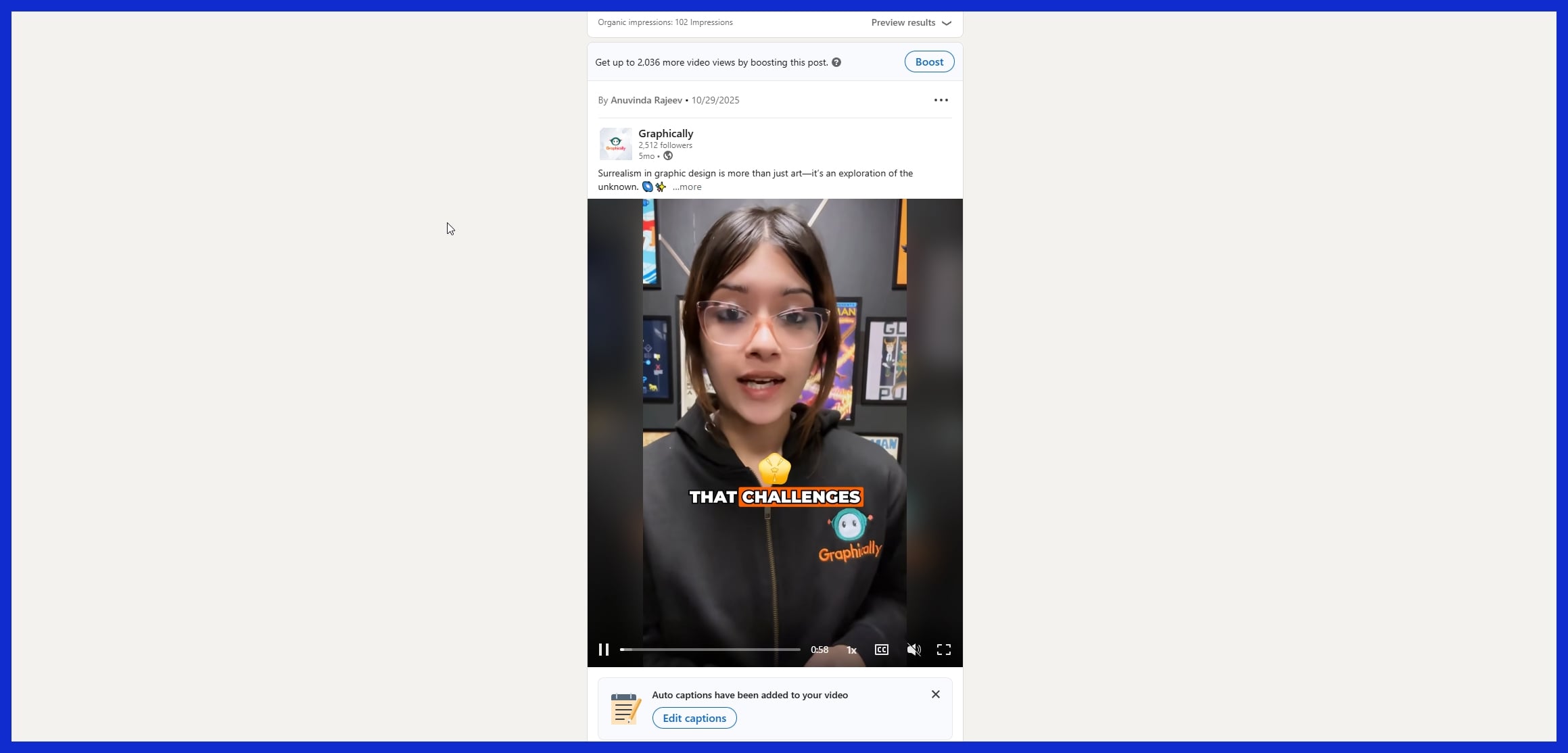
Stand out in a sea of automated emails. Use free or cheap tools (like Loom or your phone’s camera) to send quick, 30-second personalized video messages to new clients, high-value prospects, or customers celebrating a milestone. It costs nothing but time, and it creates an immediate, unforgettable human connection that scales your “customer experience” dramatically.
5. Publish Hyper-Niche, Problem-Solving Content
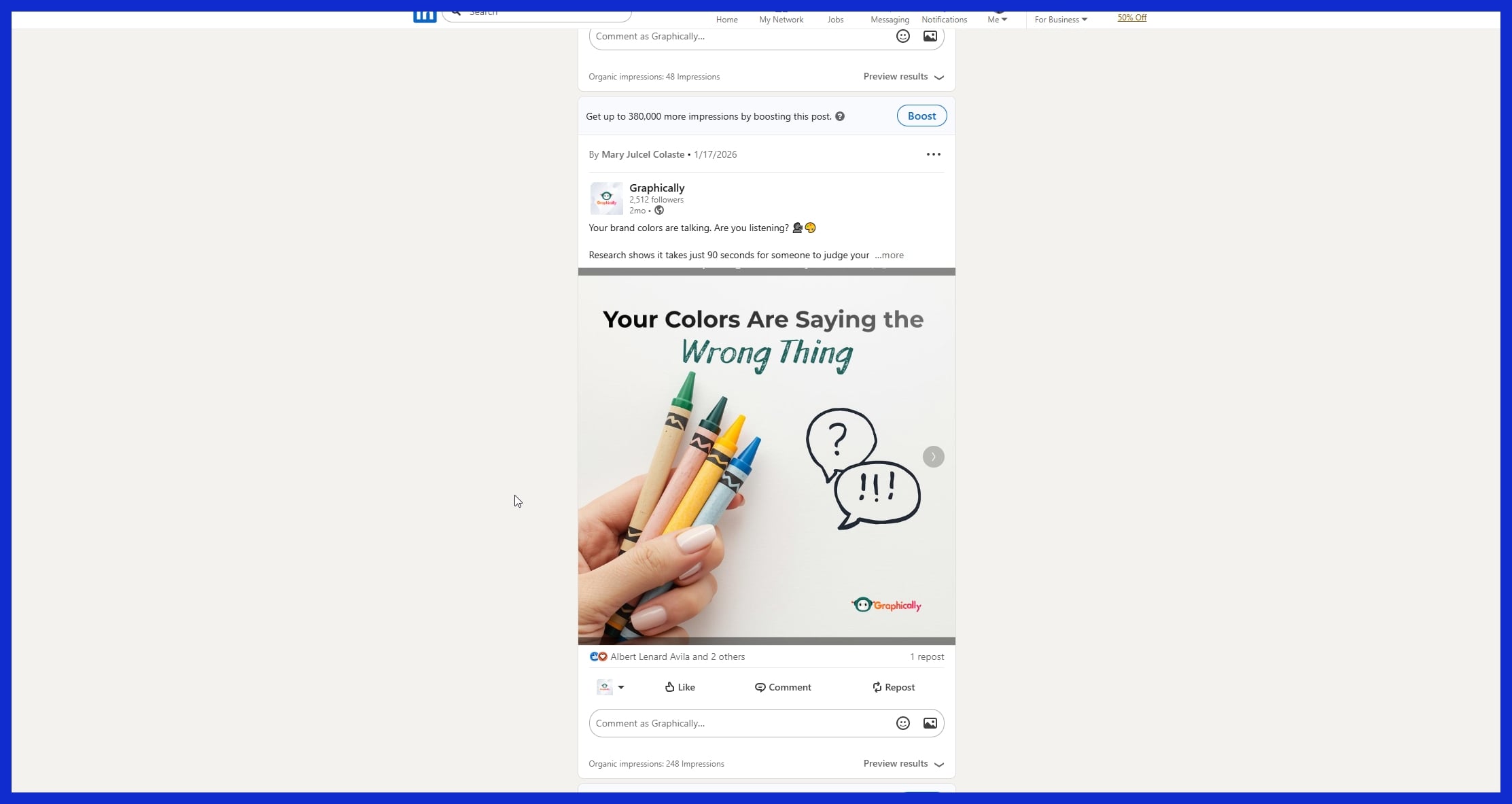
Don’t just post generically about your industry; become the undisputed expert on one specific problem your audience faces. Write detailed blogs, create quick YouTube tutorials, or post Twitter/LinkedIn threads that give away genuinely valuable advice for free. When you solve a small problem for someone for free, they will trust your brand when it’s time to pay for the big solutions.
6. Create a “Signature” Brand Asset

Develop one distinct, recognizable element that people immediately associate with your business. This could be a unique packaging detail (like a brightly colored sticker or a wax seal), a specific sign-off phrase in your emails, or a highly opinionated weekly newsletter. Giving your audience one memorable hook makes you instantly recognizable in a crowded feed.
Mastering the Micro-Moments
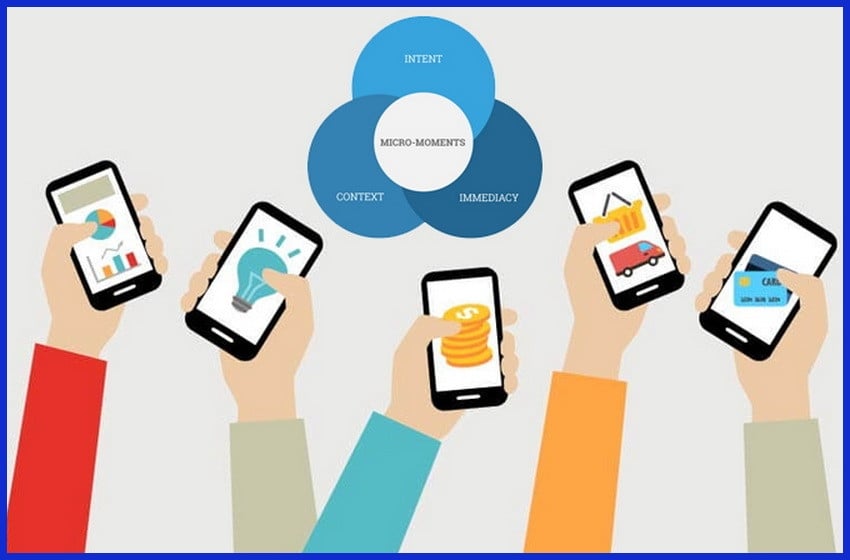
Micro-moments are those intent-rich, few-second windows when a person pulls out their phone to address a need, learn something, or make a decision. For small businesses, these moments happen constantly: a quick search during a commute, tapping an ad while waiting in line, or scanning reviews right before checkout.
These split seconds accumulate to form a narrative about your business. To capitalize on them, every touchpoint must be helpful, relevant, and immediate. If your website takes 15 seconds to load, or if your sign-up process is overly complicated, you lose the customer in that micro-moment. Pay close attention to where customers drop off, patch those weak links, and respect your audience’s time.
How to Implement Your Strategy
Transforming these concepts into actual results requires an actionable plan. Here is how to execute it without getting overwhelmed:
Audit Your Needs: List every action needed to elevate your brand (e.g., updating a logo, setting a social media tone, gathering testimonials). Prioritize them based on your current business goals.
Delegate Smartly: Break down the work and assign it based on strengths. If you are a great writer, tackle the blog. If you lack design skills, outsource to an affordable design agency to ensure professional quality.
Track Your Progress: Use simple, collaborative tools like Trello, Asana, or even a shared Google Spreadsheet to track what is done and what is pending. Keep all your final visual assets in one easily accessible folder.
Review and Pivot: Check in every few weeks. Read customer reviews, analyze website traffic, and don’t be afraid to change course if something isn’t working. Timely pivots are a small business’s greatest advantage.
Measure Your Brand’s Impact
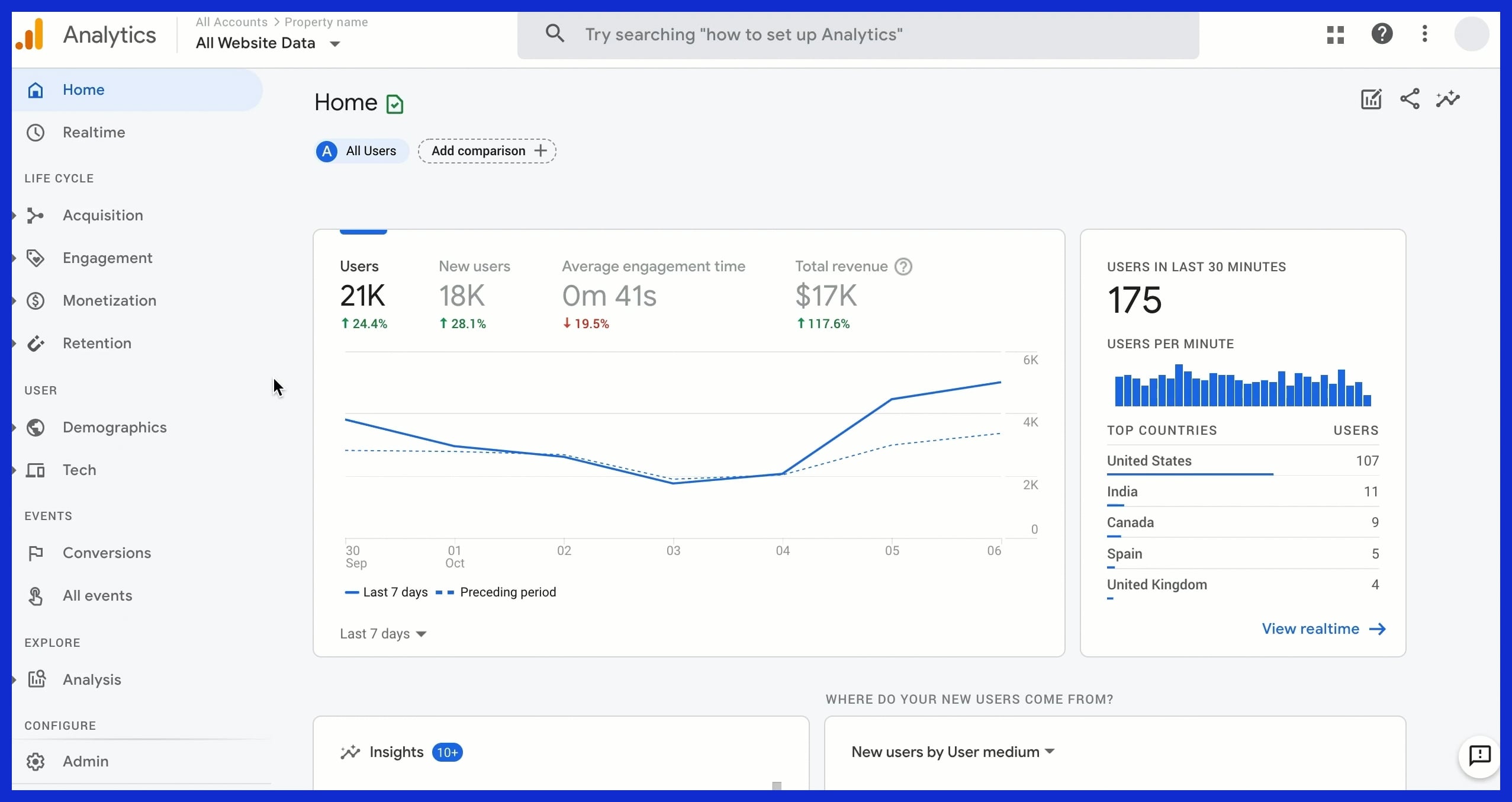
For small businesses, measuring your strong brand identity is just as important as creating it. Easy-to-digest figures highlight your brand’s impact. On the left in the table below are the common KPIs that matter when you want to judge your brand’s strength, and on the right, why they count.
|
KPI |
Why It Matters |
|---|---|
|
Brand Awareness |
First sign of a strong brand. Leads to more people knowing and trusting you. |
|
Engagement |
Shows if people are talking, sharing, or interacting with your posts or offers. |
|
Customer Loyalty |
Loyal buyers come back and bring friends. Helps with steady growth. |
|
Perception |
How people see your brand. Strong perception means more trust and better word of mouth. |
|
Conversion Rate |
Tells if your brand is turning interest into real sales. |
Note: Use tools like Google Analytics and social media insights to track these numbers alongside direct customer feedback and surveys.
Common Branding Pitfalls
Brands rise or fall on their ability to identify and avoid these common pitfalls. Far too many small businesses succumb to the same branding pitfalls that make it difficult for them to differentiate or survive in saturated markets. Here are some pitfalls to watch for:
-
Ignoring what customers say or want
-
Not changing fast enough when the market shifts
-
Making the brand message too hard to get
-
Wordy, unclear, or dull copywriting
-
Skipping professional visuals for free or cheap design tools
-
Following every new design trend without thinking about fit
-
Talking to the wrong group of people
-
Not sticking to core values in every brand touchpoint
-
Thinking a logo is enough for a brand
-
Speaking in different tones or ways across channels
-
Lacking the same look and feel everywhere
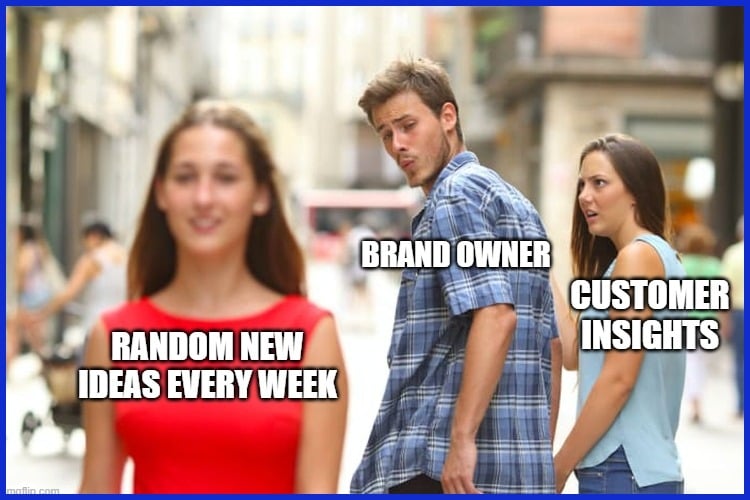
Customer insights are a treasure trove. Brands that forego it lose out on guidance that can help them craft what they represent. When people actually take the time to share their opinions, it does pay to listen and respond.
Brands that do things steadily, with the same voice, the same design, and the same promise, gain more trust and are remembered more. For small businesses, these fundamentals are less tips and more weapons for advancing.
Conclusion
Brand work seems like a mountain ascent, yet small victories pile up. A strong brand doesn’t need a big bank. It needs soul and guts, and obvious language that conveys genuine worth. Think of the shops that stick in your mind: maybe a bakery with wild colors on the sign, or a tech firm that always picks up the phone. These moments develop faith, grain by grain. Every chat, every post, every logo tweak makes an impression. To build a small business brand, keep it real, keep it simple and check what works. They’re key to crafting a small business brand-building strategy that breaks through the clutter and sticks. Let Graphically take care of that creative grind. Contact us and let’s get your story growing, one courageous step at a time.
Frequently Asked Questions
What is a small business brand?
A small business brand strategy is what makes a business different. It encompasses the business’s values, personality, aesthetics, and customer experiences, establishing credibility and a strong brand identity.
What are some inexpensive brand-building strategies?
Cost branding strategies involve using approaches such as social media and creating a strong brand identity through a visual style. These small business brand strategies enhance visibility and trustworthiness without requiring a large budget.
Why are micro-moments important for small business branding?
Micro-moments are tiny experiences that determine how customers perceive your brand identity. These moments, whether a quick answer or a thoughtful note, powerfully build a strong brand foundation and foster enduring loyalty.
How can I implement a brand strategy for my small business?
Begin by defining your brand values and target customer persona. Develop a strong brand identity through consistent imagery and a succinct message while leveraging digital outlets to engage potential customers.
What are common branding mistakes small businesses make?
Typical errors include haphazard branding and overlooking web presence, which undermine strong brand identity. Avoiding these traps enhances branding strategies, making brand building stronger and more trusted.
How do I measure my brand’s impact?
Track brand impact via customer feedback, social media mentions, website analytics, and sales growth to ensure a strong brand identity. Employ surveys and analytics to keep track of your branding strategy progress and course correct as necessary.
Can a small business rebrand without losing customers?
Indeed, a small business can rebrand effectively. Be transparent about the transition, give your customers a voice, and don’t compromise your brand values in the process.