Top performing Facebook ads have clear messages, bold images and simple layouts to capture clicks and increase conversions. Brands reach more users with clever targeting and quick videos or striking designs.
Small businesses and agencies gain more likes, shares and leads when ads match trends and speak to real needs. To prove what works best, the main body will reveal winning ad formats, authentic results and advice for consistent growth.
Core Principles of High-Performing Ads
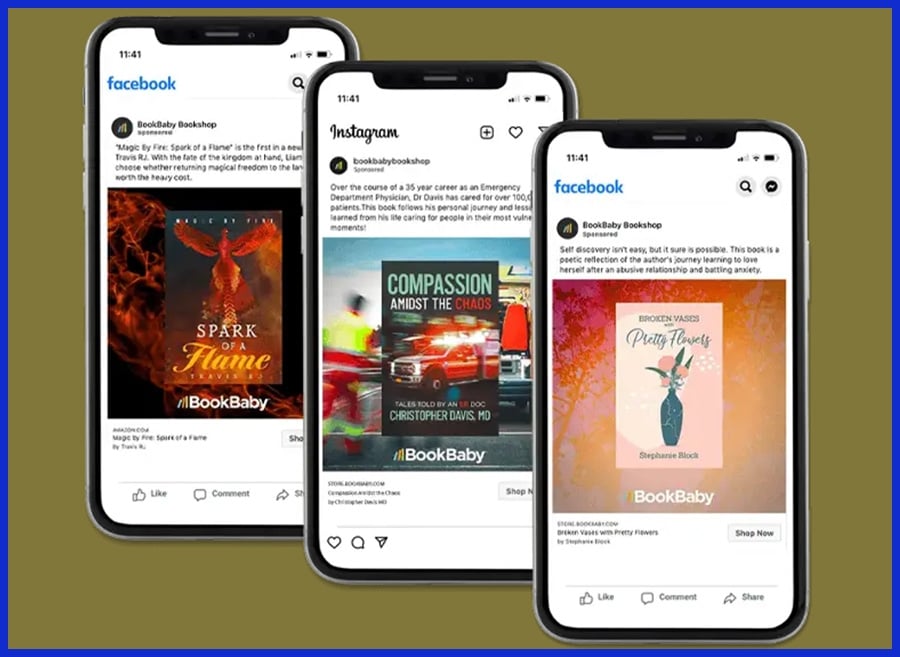
They work because high-performing Facebook ads, such as video ads and carousel ads, combine creativity with the right target audience knowledge. They concentrate on grabbing attention quickly, typically within five seconds, while maintaining a simple but forceful message. Here are five core principles for constructing ads that produce.
1. Audience Empathy
Knowing your audience is the foundation of any killer ad. Brands that understand their users’ pain points and desires craft messages that strike a chord. The most effective ads feature authentic experiences or challenges that users identify with, such as a startup founder managing multiple responsibilities or a busy parent seeking fast recipes.
Both of these examples create emotional scenarios that make your message memorable. It’s not sufficient to speculate what they desire. Getting down in the comments, reviews, and feedback means understanding what works and what doesn’t.
This listening and tweaking loop means your ads get better over time. Graphically.io, for instance, frequently modifies visual styles as per the client’s responses, keeping the creative fresh and relatable.
2. Creative Psychology
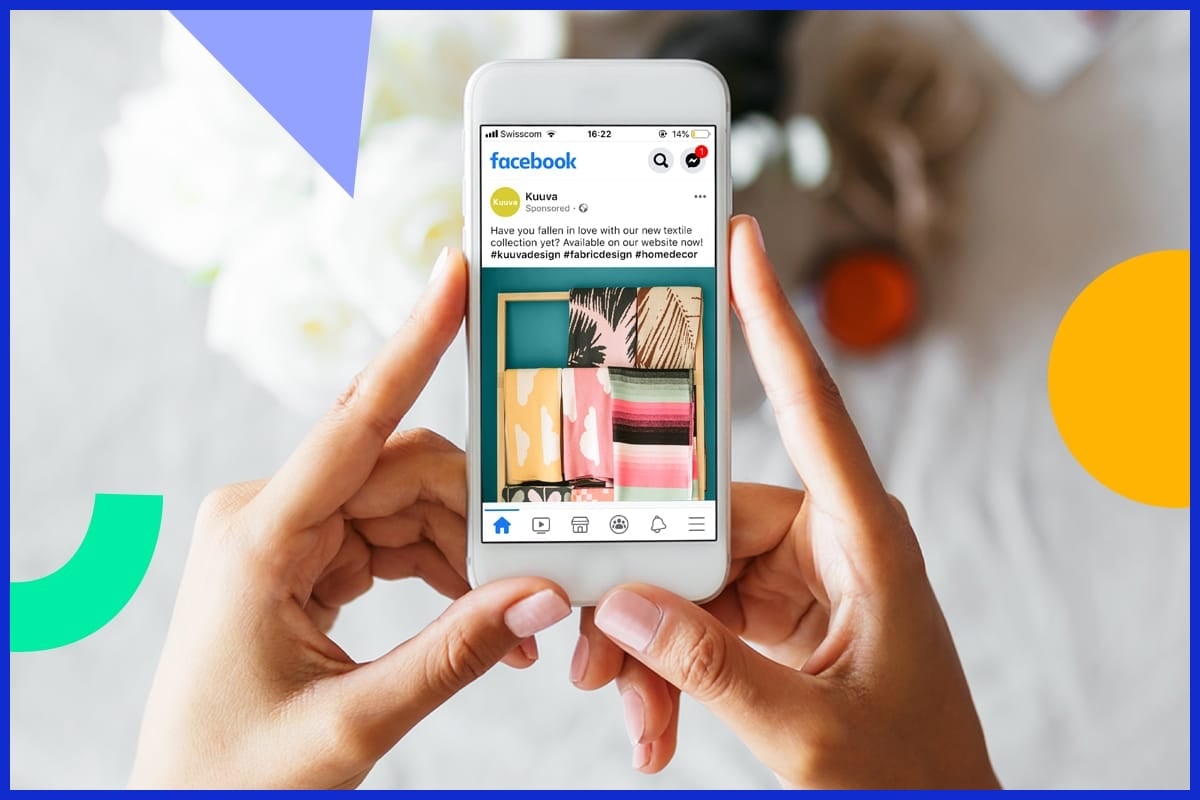
Design decisions are important. Colors influence mood; blue signifies trust and red signifies urgency. Well-lit, sharp photos catch the eye, whereas busy pictures lose it. Tell a story and it will capture people’s attention and keep your brand sticking in people’s minds well after they scroll.
A testimonial or a quick quote from a happy customer can immediately increase trust, serving as social proof. A little humor or a “gotcha twist” in the ad can halt them in their tracks, particularly in markets saturated with lookalike ads.
3. Value Proposition
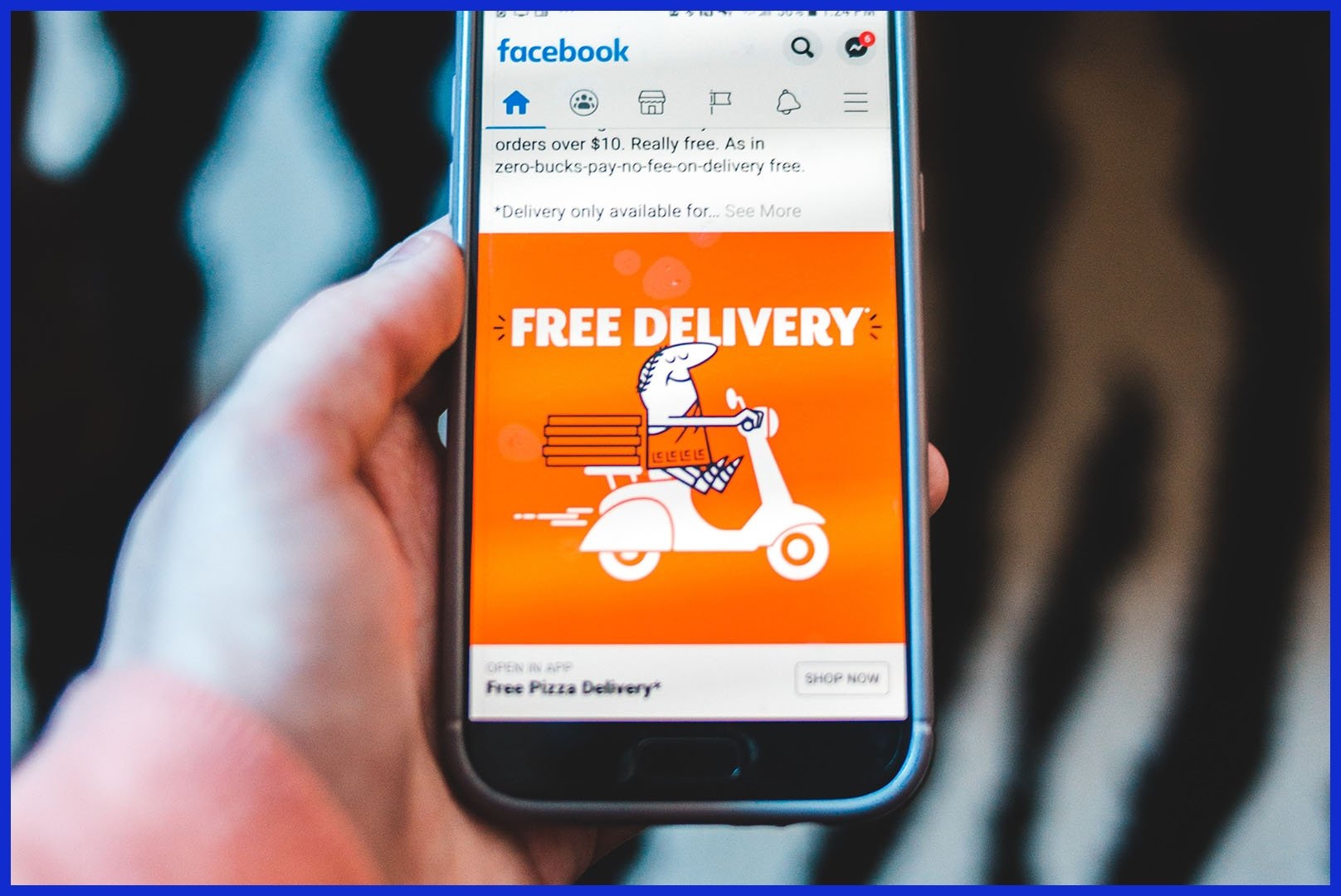
Clarity rules. The highest performing ads explain to users exactly what they receive and why it’s unique. For example, “Next-day delivery, at no additional cost” or “Unlimited design projects for a flat fee.” Short punchy lines trump long copy.
Instilling urgency, such as “Sale ends tonight,” encourages fast movement. Showcasing your offer’s unique differentiator is the trick.
This offers more value than the alternatives.
4. Frictionless Journey
A slick user journey is essential. The fewer your steps between ad click and conversion, the better. Landing pages should be congruent with the ad’s message and look so users feel they’ve landed in the right place.
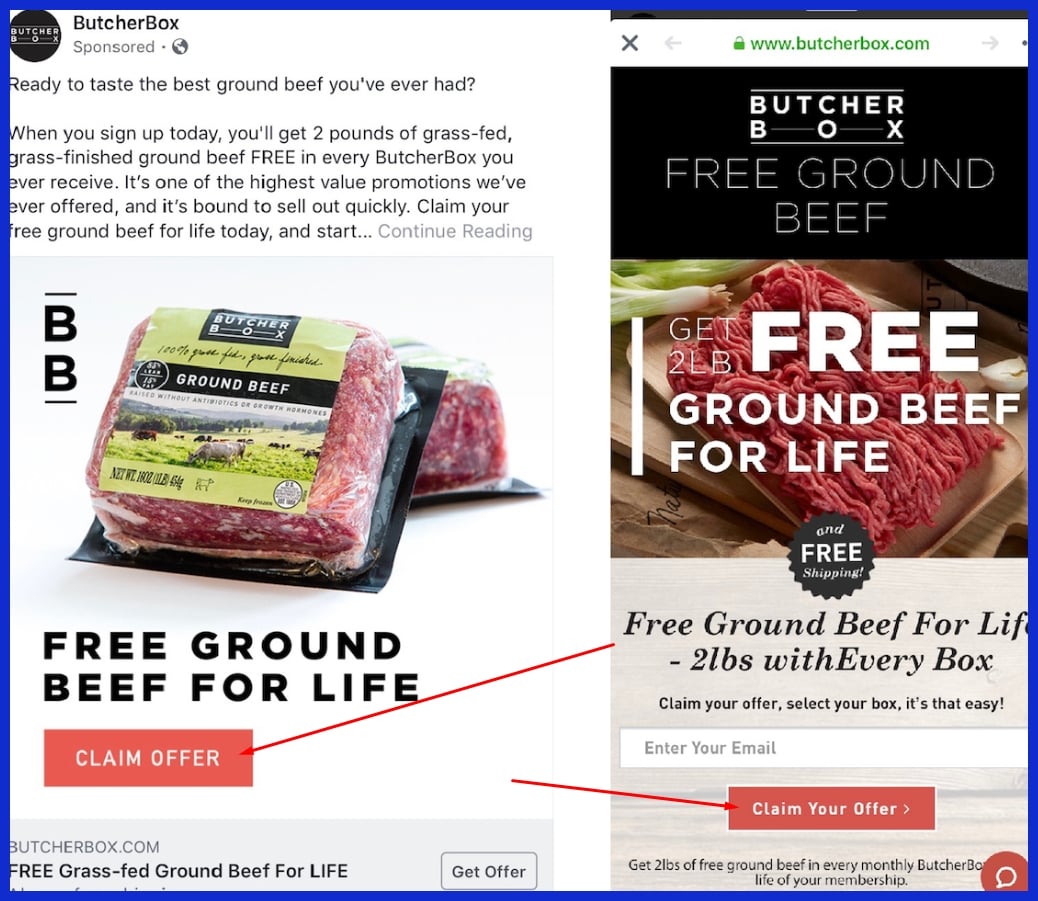
Forms need to be short—just the essentials—because each additional field reduces completion. CTAs such as “Get started” or “Claim your offer” must be unambiguous and actionable.
5. Iterative Testing
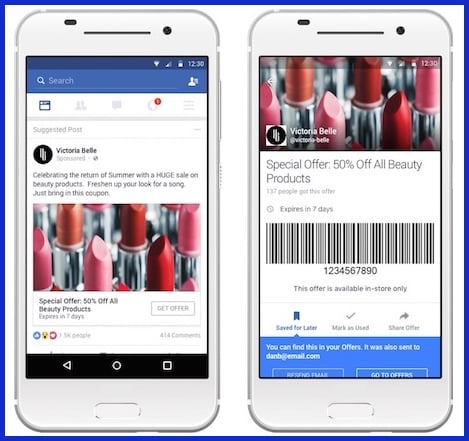
Testing isn’t an afterthought; it’s a requirement. Run A/B tests on various images, copy and formats—carousel, video or static—to find what performs best. Review the figures and then tweak targeting or copy if necessary.
Always tweak ads based on performance data. This keeps campaigns fresh and ensures you’re not wasting spend on concepts that flop.
What Creative That Converts Looks Like
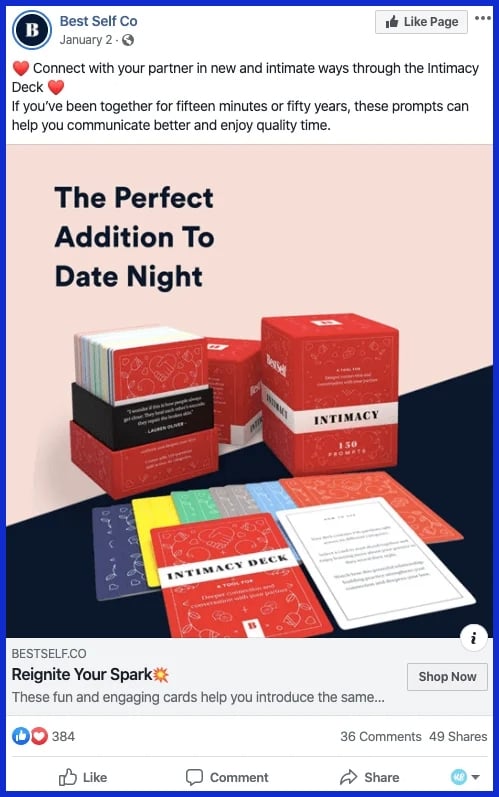
High-performing Facebook ads share clear traits: sharp visuals, smart copy, and the right format. They work because they capture attention in seconds and drive users to take action. The brands that convert best seem to combine attention-grabbing imagery with actual value, such as localized offers or time-sensitive deals.
To help visualize what works, the table below shows a few ad examples and their core elements. Keep reading below for the best performing ads last year 2025.
|
Example Brand |
Visuals |
Copywriting |
Format |
Standout Element |
|---|---|---|---|---|
|
Outdoor Gear Co. |
Real-life hiking images |
“Gear up. Sale ends soon.” |
Carousel |
Urgent, action-driven CTA |
|
Fitness App |
Bold, branded colors |
“Ready to get fit?” |
Video |
Personalized, simple message |
|
Global Market |
Product shots + reviews |
“See why users love us” |
Collection |
Social proof + immersive shopping |
|
Local Bistro |
Nighttime cityscape |
“Order now, late-night specials” |
Static |
Dynamic creative by time/location |
Visuals
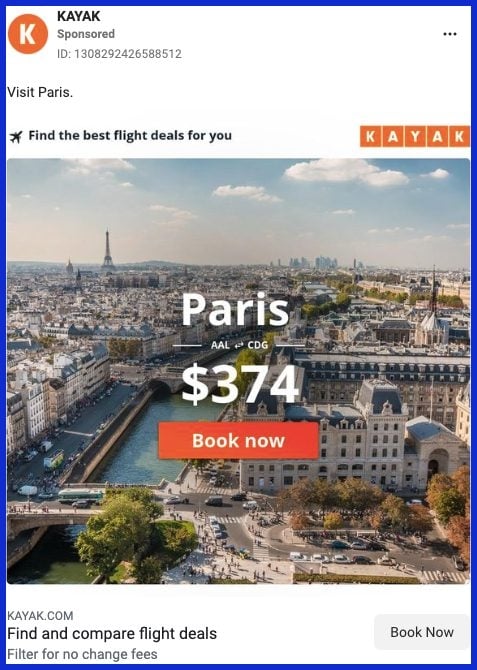
Eye-catching images are the initial sign to viewers. Creative that converts looks like beautiful images or 10-second videos that capture the brand’s aesthetic and mood. Think bold fonts, brand colors, and logos, all things that help people recognize that it’s you, even if they scroll quickly.
Attention-grabbing graphics draw attention quickly in busy newsfeeds. Varying photo types, such as real-life photos sometimes and whimsical illustrations at others, demonstrate which look draws more clicks.
Try to use creatives that showcase your product in action and not just a studio shot. Swapping out images for different times or locations can be effective. To illustrate, a coffee shop could display a warm night scene post 8 PM, thus making late night promotions more intimate.
Copywriting
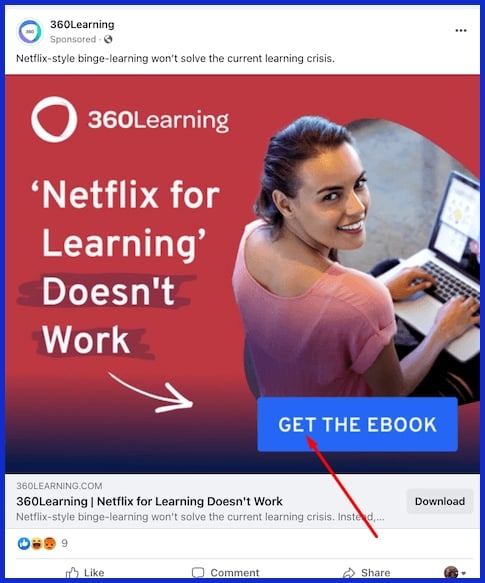
Good ad copy is brief, transparent and makes people want to click. Action words such as “Shop Now” or “Book Today” perform great. Copy that fits the visual—if the photo is bold, make your words punchy.
It helps to use words customers would search for, so the ad shows up to the right people. Headlines count big time, test a few to see what gets the best response. A little urgency or a limited-time deal in your copy can truly be the difference between interest and action.
Social proof, such as a snappy customer quote, can increase confidence. When ads sound like they’re written for a real person, people notice.
Formats

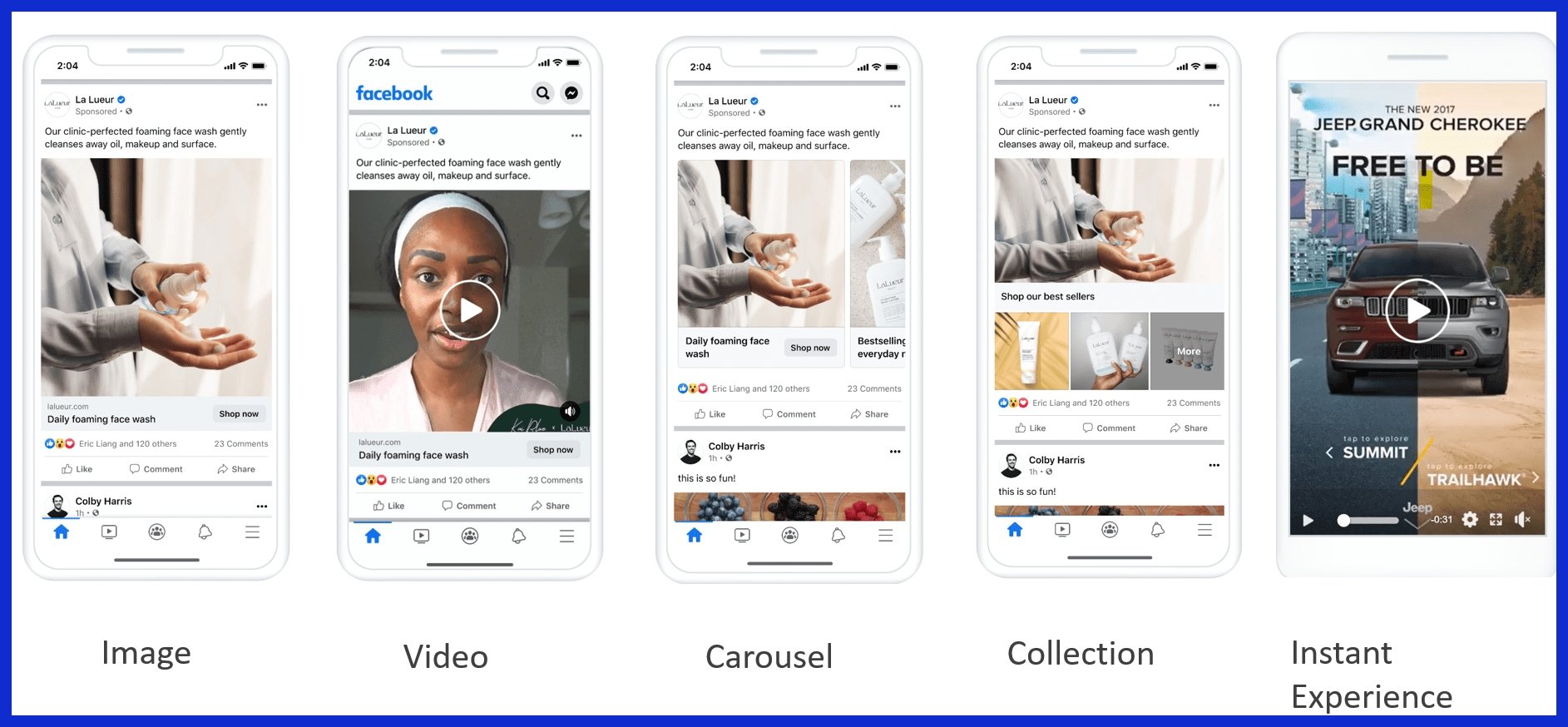
Variety in ad formats is fun and can appeal to a wider audience. Videos demonstrate and explain, while slideshow or carousel ads allow you to weave a narrative or display a number of products simultaneously. Certain brands get excellent performance featuring product benefits in a carousel, while others perform well with short, hard-hitting video clips.
Collection ads give consumers the ability to explore a brand, almost like a mini-store within their feed. It only tests, really. Once in a while, static graphics work. Once in a while, dynamic ones win out. It’s audience and brand style dependent.
Examples of Highest-Performing Facebook Ads from 2025
Top-performing Facebook ads from 2025 emphasized high-engagement visuals like video ads with motion, social proof, and urgency-driven offers, sourced from curated lists of awesome Facebook ad examples. Brands like Revolut, Sensodyne, and Superside achieved strong results through minimalism, testimonials, and relatable pain points.
Revolut
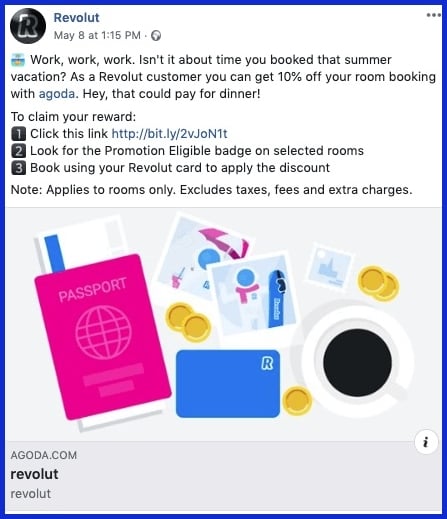
This facebook video ad featured a glinting customized bank card with slight motion and App Store icons for mobile clarity. The copy promoted unique offers like custom cards, using a video ad format. Its standout element was high attention capture via movement and exclusivity, driving strong engagement.
Sensodyne
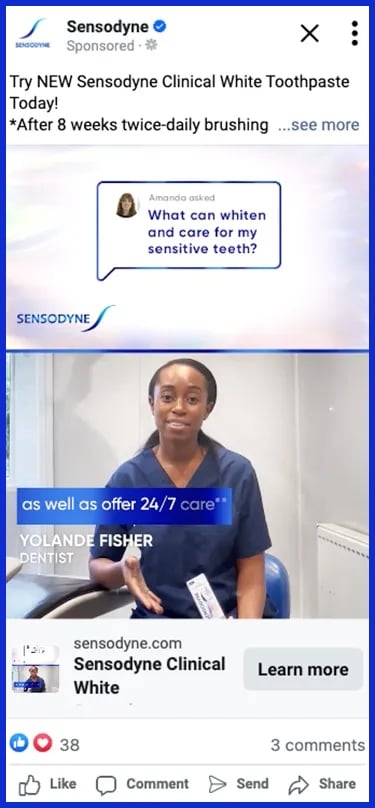
A clean white background highlighted the product with the copy “No.1 dentist recommended brand.” Delivered as a static ad, this facebook ad example emphasized social proof as its key strength, significantly boosting engagement through strong brand recognition and simplicity.
Superside
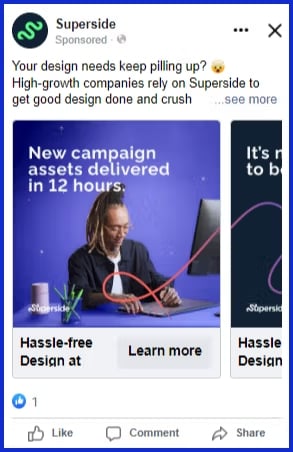
The tongue-in-cheek video ad showed an overworked marketer, humorously targeting pain points like “We Need a Video.” In video format, its relatable B2B empathy stood out, driving brand awareness and conversions through aspirational storytelling.
Nom Nom
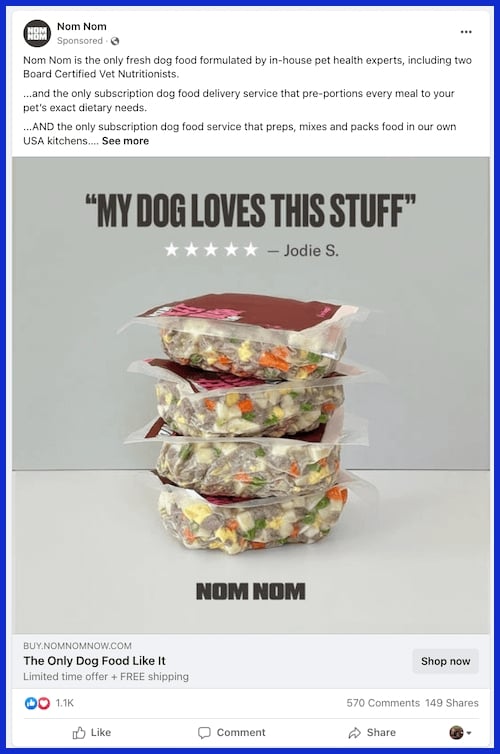
Fresh ingredients paired with a glowing review and copy “MY DOG LOVES THIS STUFF” plus a 5-star rating make for a great ad example. This static ad utilized customer testimonials as its core hook, building instant trust and leading to higher click-through rates.
Slack
Mobile-optimized testimonials with demos featured real user stories and a 50% discount. The vertical video ad format highlighted social proof and urgency, enhancing workflow appeal and proving strong for small businesses.
Precision Targeting Strategies
Facebook precision targeting is all about getting your message in front of those individuals who are most likely to be interested in your offering. Precision targeting strategies focus on using data and clever approaches to display ads exclusively to those who count, reducing waste and delivering increased impact.
With privacy regulations becoming increasingly strict, many highly optimized targeting levers have faded away. So now top campaigns combine broad targeting with intelligent creative, deep learning, and high-quality audience segments.
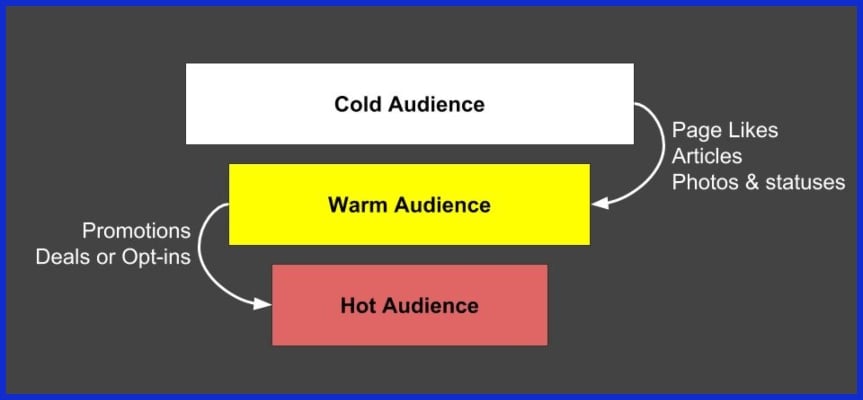
Cold Audiences
-
Employ broad targeting with Advantage+ campaigns to let Facebook’s AI discover new potential, particularly when you are expanding into new markets or have limited first-party data.
-
Create audience segments by interest, behavior, and demographics. Leave them broad enough for the algorithm to optimize.
-
Try a few different types of creative: video, carousel, and static images. Monitor what garners the most engagement from people new to your brand.
-
Take your creative on a storytelling journey. For instance, employ a swipeable carousel to tell your brand’s story or a brief video to depict practical applications.
-
Remember, at this point, you’re focusing on awareness and engagement, not sales. It’s about being seen and being remembered.
Good-looking images in Facebook ad campaigns help the AI detect patterns and learn who might be interested, even if they’ve never heard of you.
Warm Audiences
Retarget visitors who liked, clicked, or commented on your posts in the last 30 days. These people have some brand awareness, so their ads can be benefit and solution-focused.
Implement lead magnets such as downloadable guides or free trials to capture emails from engaged users. Personalized content is best here, for example, display a bespoke discount code for those who viewed a product demo.
Add in some special deals or time-limited offers for that extra push with uncertain leads. Trying out different formats is key, as Advantage+ campaigns incentivize creative diversity with improved learning and reach.
Hot Audiences
Use urgency for cart abandoners. Remind them with snappy, concise copy (“You’re so close—checkout to secure your deal!”).
Display testimonials and real case studies to strengthen trust and credibility, particularly for high-ticket products. Exclusive deals, such as “24-hour VIP pricing,” can tip the scale for fence-sitters.
Combine still images with motion ads to find out which entices more users to close.
Budgeting and Bidding
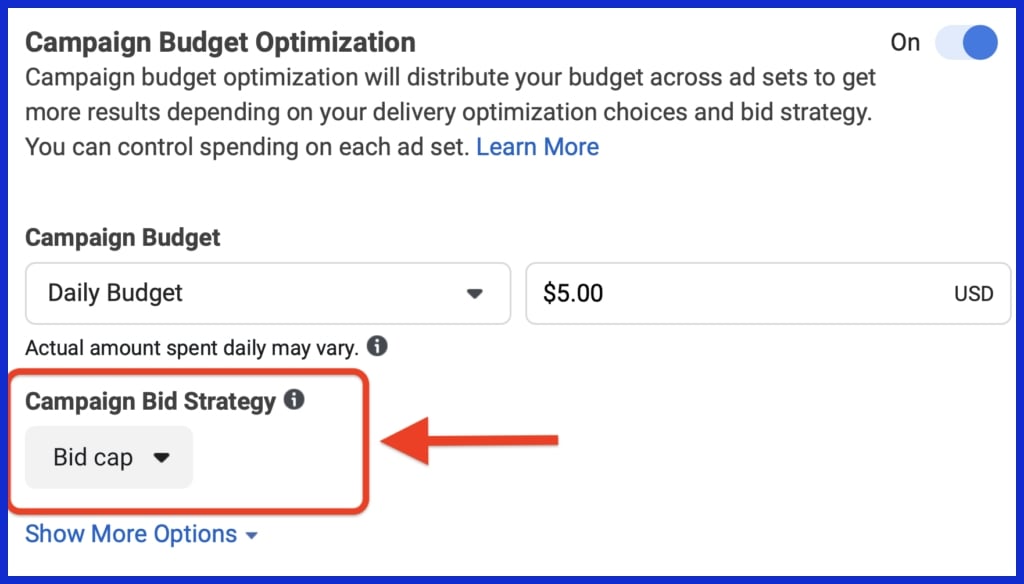
Setting the right budget and selecting a savvy bidding strategy are the heart of winning Facebook ads. Small business owners and agencies know that every penny counts. Making every euro or dollar count means considering how budgets align with campaign objectives, tracking ROI, and managing expenses.
Here’s a quick summary of what to keep top of mind when budgeting for ads:
-
Choose from daily or lifetime budgets to suit your campaign.
-
Track ad performance and shift budgets as ROI shifts.
-
Since CPCs let you see exactly what you’re spending on, they’re a straightforward way to cap your spending.
-
Pour more money into well-performing audience slices and ad sets.
-
Tap into campaign budget optimization (CBO) for smarter distribution.
-
This is why, in general, it’s best to set daily budgets at least five times your bid cap.
-
Beware Facebook’s 25 percent margin of error on actual spend.
Allocation Models
Pick between daily and lifetime budget based on your campaign length and predictability. Leverage CBO to distribute budget across ad sets for optimal results. Review past campaigns to observe what audience or creative drove performance.
Adjust budget allocation per segment according to seasonal trends or surges in interest. Mix spend across carousel, video, and static ads to cover all bases. Allocating budget is not a set-it-and-forget-it exercise.
For a new brand awareness campaign, a daily budget keeps spend steady and predictable. For brief promotions, a lifetime budget allows you to press your advantage for a limited amount of time without splurging.
Bidding Strategies
Manual bidding allows you to set a hard cap for spend per click, providing complete cost control. If you need to stay within a set range or have a tight budget, manual bidding is a good fit. For instance, bid caps ensure expenses do not exceed what you’re willing to pay.
Facebook suggests daily budgets that are five times your bid cap to stay stable. Automatic bidding is the option for advertisers who wish to maximize conversions and clicks without micromanaging. The platform shifts bids in real time, seeking optimal results for the lowest price.
Analyzing Performance Metrics
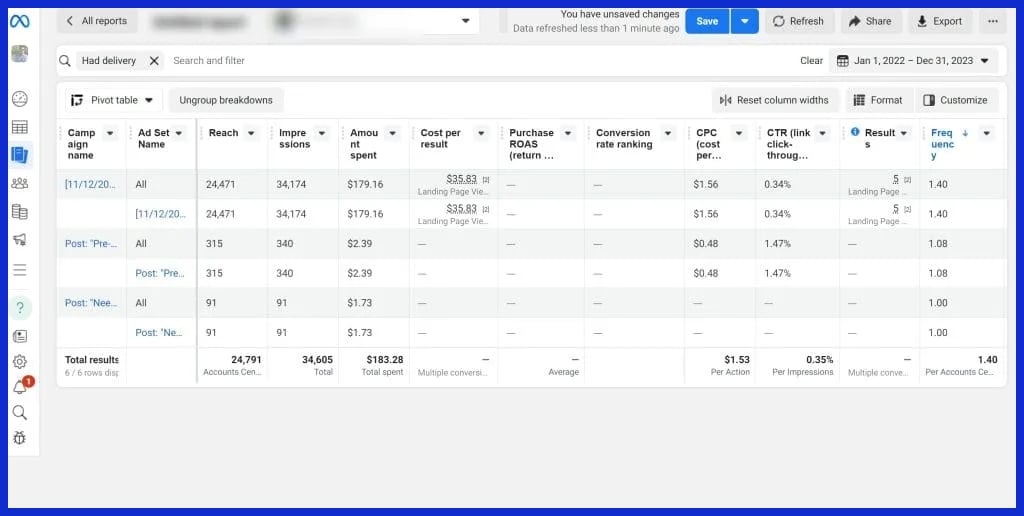
Understanding how your Facebook ads are performing requires an examination of the metrics. With each ad, it’s not simply about gazing at likes or comments; you want to see what really drives business. Tracking the appropriate metrics allows you to identify what is successful, what should be altered, and how to improve your subsequent Facebook ad campaigns.
Below is a simple table showing the main performance metrics, what they look at, and why they matter:
|
Metric |
What It Measures |
Why It Matters |
|---|---|---|
|
CTR |
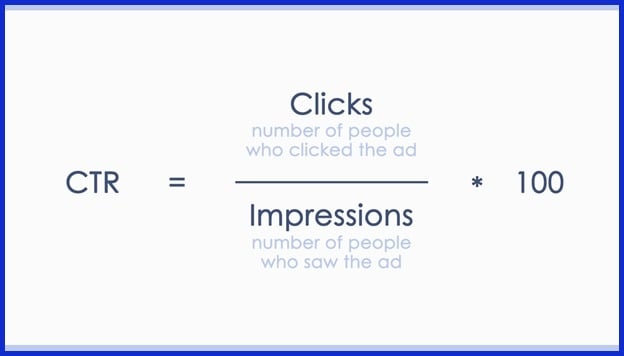
Clicks ÷ Impressions |
Shows if your ad grabs attention |
|
CPC |
Ad spend ÷ Clicks |
Helps control costs and judge ad efficiency |
|
CVR |
Conversions ÷ Clicks |
Tells if clicks are turning into real results |
|
CPA |
Ad spend ÷ Conversions |
Shows real cost to get a customer |
CTR indicates whether or not people are bothering to click on your ad. A low CTR might indicate your message or the ad design isn’t catching the eye. That’s a great time to experiment with new images or copy, perhaps by looking at successful Facebook ad examples for inspiration.
For small business owners and agencies, this is where a team like Graphically.io can assist. We know how to weave imagery that draws people in and permeates the clutter of Facebook feed advertisements.
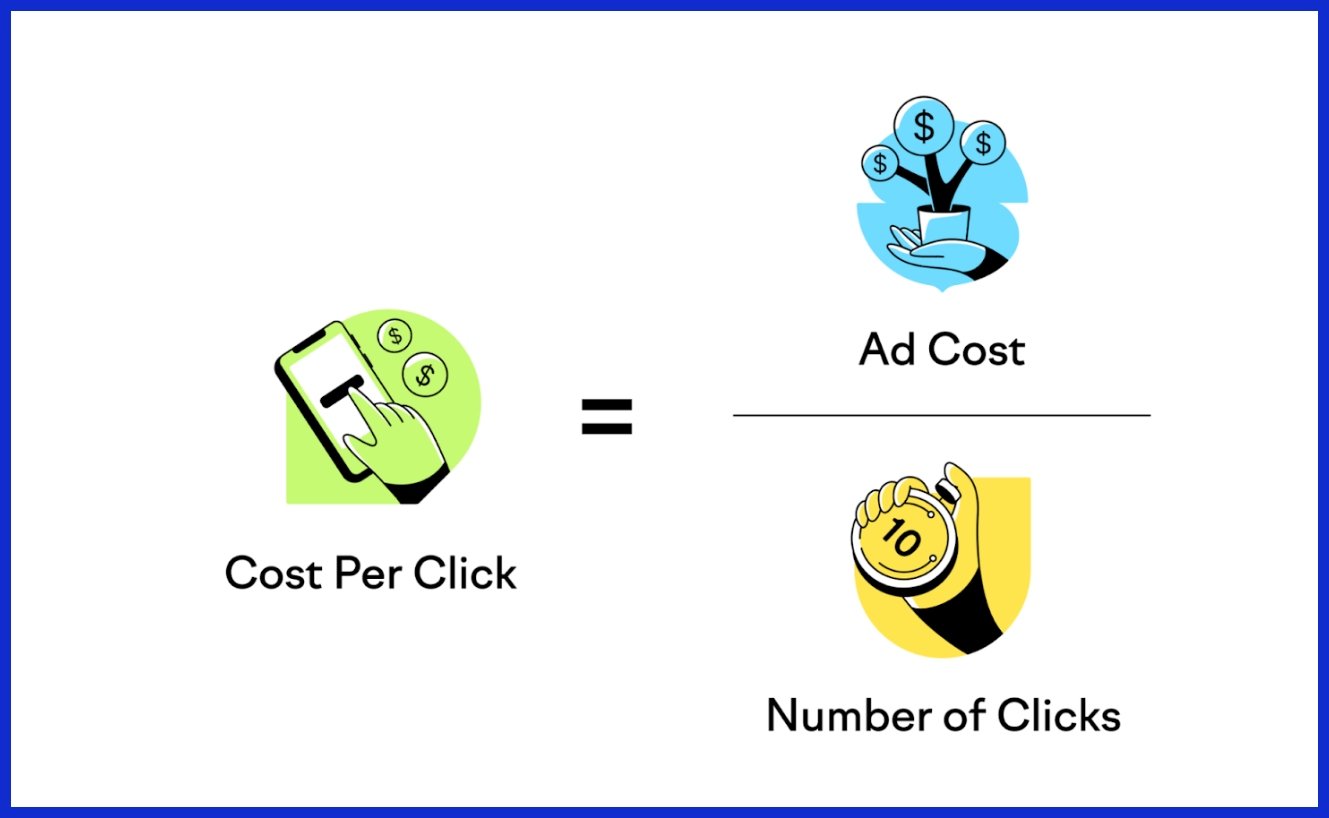
CPC (cost per click) follows and it tells you how much you pay per click. This figure can vary significantly across industries, so having benchmark data is helpful. If you notice your CPC rising, it may indicate your targeting is too generic or your ad is missing the mark.
Try adjusting your audience or refining your message. CVR goes one step beyond; it measures not just clicks, but people doing what you want them to do after they click, like making a purchase or signing up for a Facebook lead generation ad.
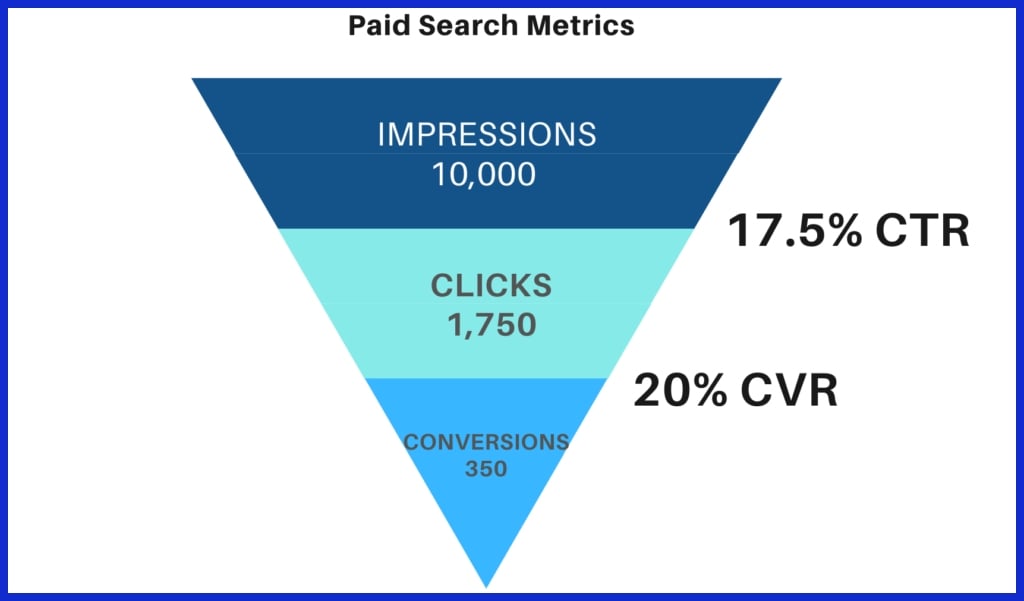
If your CVR is low, for example, you might want to check if your landing page is clear or if your offer matches your ad. Other times, subtle things like a simpler form or a more direct call to action can improve conversions.
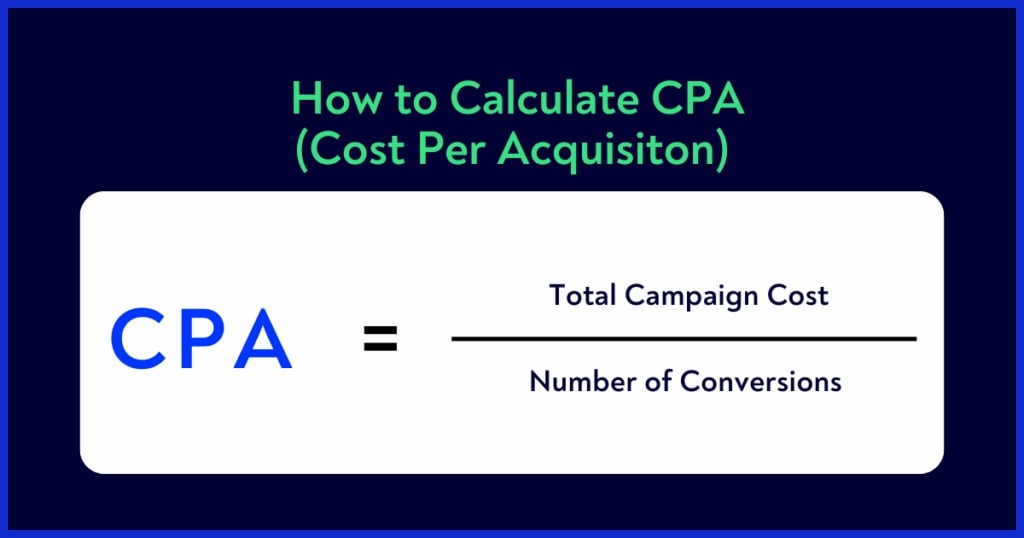
CPA (cost per acquisition) is the big one for most businesses. It tells you what it really costs you to acquire a new customer or lead. If your CPA is too high, then it’s time to look at your whole campaign.
Perhaps your targeting is out of whack or the offer is weak. Monitoring your CPA keeps you sure that you’re getting the most out of your ad budget.
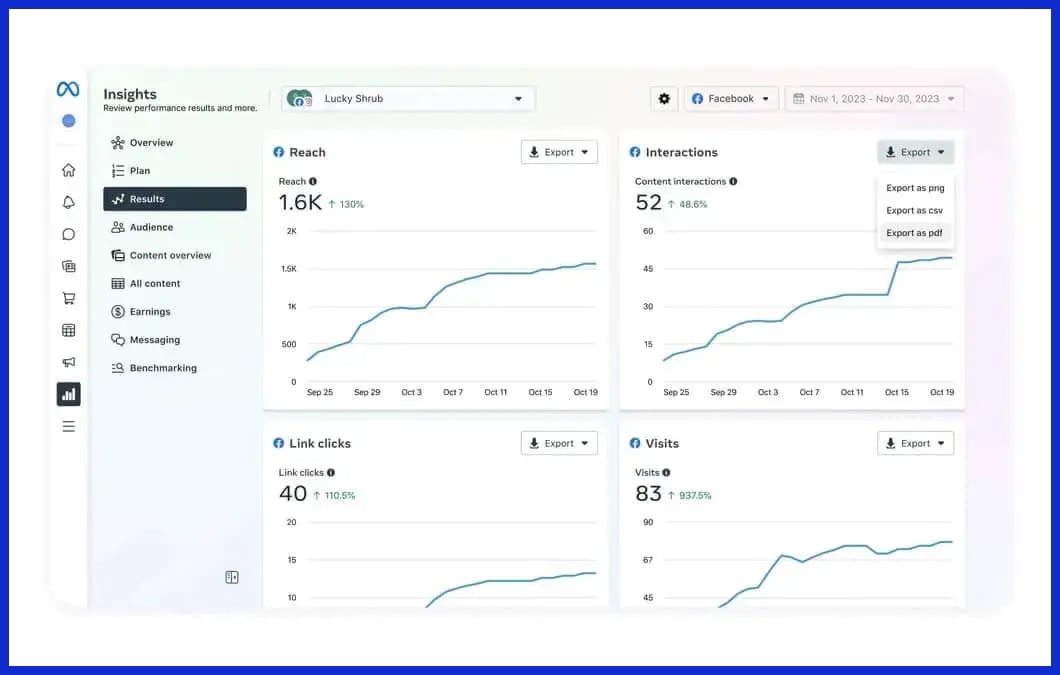
With Facebook Analytics, you can observe the behavior of different audiences upon seeing your ads. One segment clicks more, while another purchases more. Establish well-defined objectives for every campaign, such as increasing sales, boosting sign-ups, or enhancing brand awareness, enabling you to monitor what truly counts.
Tune your budget and message based on what the numbers say. That’s how you continue to get improved results without the guesswork.
Conclusion
Top converting facebook ads don’t just magically appear. They originate from clever, practical toil. What do the very best performing facebook ads have in common? Small adjustments, like exchanging an image or rotating a headline, can translate into additional clicks, calls, or purchases. Even little shops or start-ups can best big boys if they know their audience and keep it fresh. Seen a bakery increase orders with one cake post? Or a tech shop sell out following a smart ad? Results such as these begin with keen observation and diligent hard work.
Need help with ad visuals or just a few new ideas? Contact Graphically. Let’s make you memorable and expand.
Frequently Asked Questions
What are the key elements of a high-performing Facebook ad?
A highest performing Facebook ad example features a clear message, captivating images, and a compelling call-to-action. It effectively reaches the appropriate audience and leverages analytics for ad generation.
How should I design creative content that converts?
Use attention-grabbing images or videos, such as a facebook video ad example, brief copy, and emphasize the key advantage. Ensure your facebook ad creatives match your brand and speak directly to your audience’s pain points.
What targeting options help boost Facebook ad performance?
Utilize Facebook’s detailed targeting tools, such as interests and behaviors, to enhance your Facebook ad campaigns.
How do I set an effective budget for Facebook ads?
Begin small, monitor your results, and scale your spend accordingly. Leverage your campaign’s objectives and metrics to optimize your facebook ad campaigns for maximum return on investment.
What are the most important Facebook ad performance metrics to track?
Concentrate on CTR, conversion rate, cost per result, and ROAS to enhance your facebook ad campaigns.
How is Facebook advertising evolving in the future?
Facebook ads, including video ads and carousel ads, are becoming more automated and privacy-focused, enhancing data privacy and intelligent targeting.
How can I quickly analyze if my Facebook ad is successful?
Review your campaign dashboard for important statistics such as conversions and cost per result. Compare these with your objectives to determine if your facebook ad campaigns are accomplishing what you intended.