Table of Contents
- Key Takeaways
- ChatGPT Graphic Design Capabilities
- Benefits for Designers
- Inherent AI Limitations
- A Practical Workflow
- Future of Human Creativity
- Conclusion
- Frequently Asked Questions
- Can ChatGPT create graphic designs directly?
- How can designers use ChatGPT in their workflow?
- What are the main benefits of using ChatGPT for graphic design?
- Are there any limitations to using AI like ChatGPT for design?
- Is it ethical to use AI tools like ChatGPT for graphic design?
- Will AI replace human graphic designers?
- Can ChatGPT help with learning graphic design?
Key Takeaways
-
ChatGPT can generate new ideas and smooth workflows to be a powerful ally for brainstorming and refining graphic design concepts.
-
When you mix AI-driven insights with human creativity, you get designs that are more original and context-aware. This makes the final design truly shine.
-
Designers employ ChatGPT for research, copywriting, and strategy. Don’t rely on it alone. Always bring your own expertise to the table to ensure quality and relevance.
-
It’s important to have transparent guidelines for authorship and responsible use when incorporating AI into design work.
-
With smart prompting and iterative collaboration between designers and ChatGPT, new creative possibilities can be unlocked and projects kept on track to meet client objectives.
-
By adopting AI as an assistant, not a substitute, designers can free themselves for higher-value creative work and improve the entire design workflow.
ChatGPT graphic design refers to employing AI such as ChatGPT to assist with design concepts, critique, and brainstorming. A ton of small businesses and agencies are using AI chatbots to accelerate content calendars and creative work.
ChatGPT can provide guidance, respond to rapid design queries, and assist teams in collaborating more effectively with their design partners. For freelancers or studios working with services like Graphically, these tools make planning, requests, and edits that much more fluid.
ChatGPT Graphic Design Capabilities
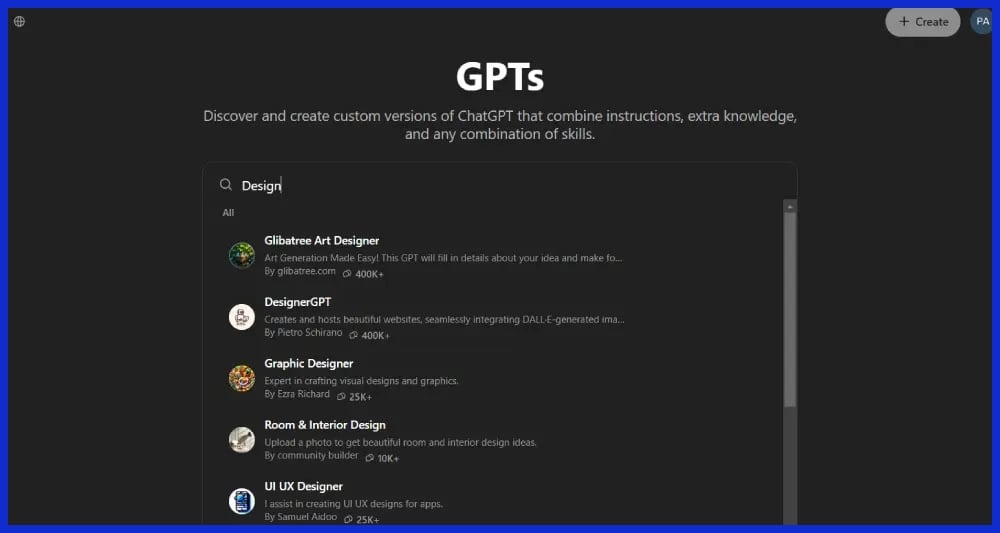
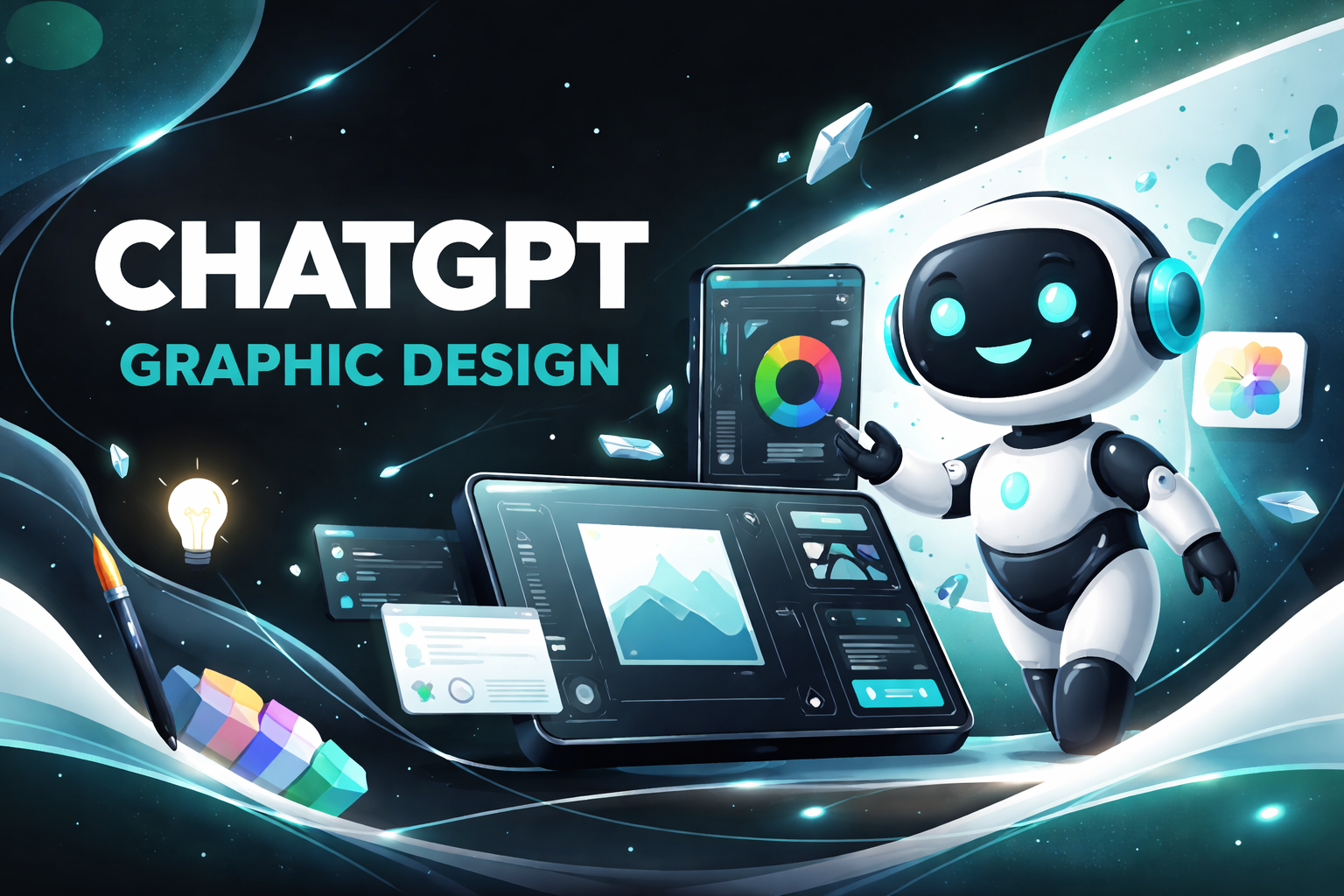
ChatGPT has transformed graphic design by providing novel methods for ideation, project planning, and research, enhancing the productivity of seasoned graphic designers and young professionals alike as they navigate the challenges of the graphic design industry.
1. Ideation
ChatGPT makes it easy for a seasoned graphic designer to get past creative blocks by generating a bunch of novel ideas in seconds. For instance, a designer working on a logo for a retro coffee shop can query ChatGPT for themes, warm beige color palettes for a creamy latte feel, or even 1950s script fonts. This tool helps jumpstart design projects and provides directions that designers might not have otherwise considered.
Prompts about themes, moods, or client objectives can spark original ideas, enhancing the user experience. Collaboration improves as designers and ChatGPT bounce ideas back and forth, fine-tuning concepts or exploring styles from elegant serif to sleek minimalism. This interaction encourages designers to step outside their default styles and experiment with innovative design ideas.
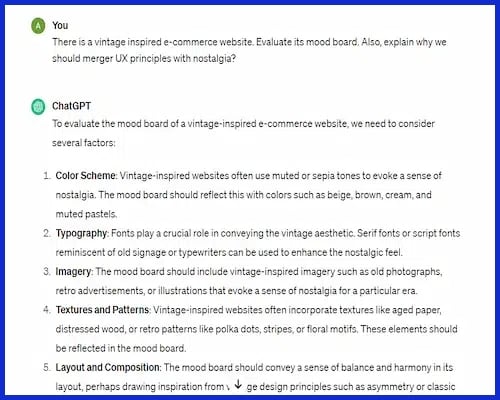
ChatGPT can provide font combination suggestions, layout tips, or visual hierarchy guidelines, making it a valuable ally in the graphic design industry. It serves as a tireless brainstorming partner, always prepared with fresh ideas to elevate any project description.
2. Strategy
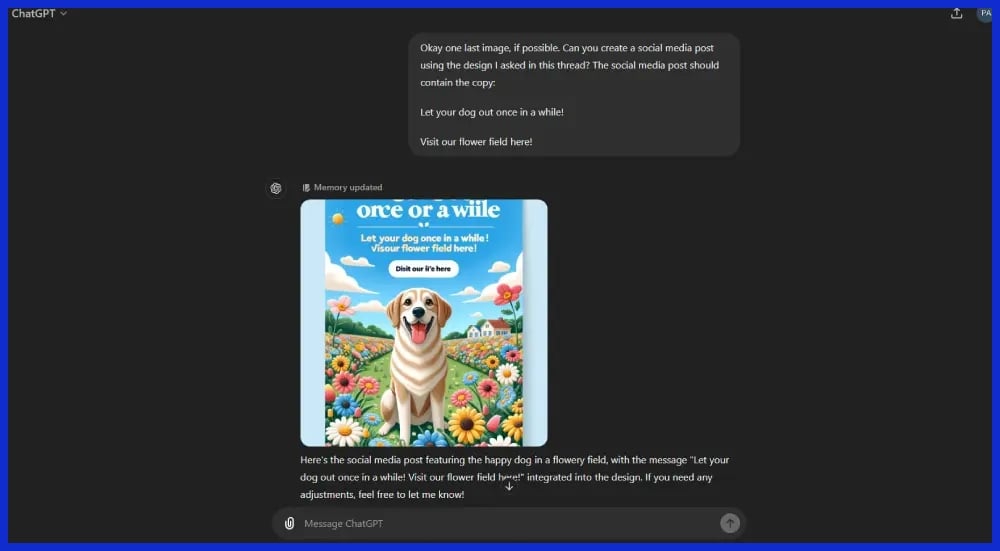
Design projects require a roadmap. ChatGPT aids in constructing skeletons that organize your work from beginning to end. By providing information on project objectives and client requirements, designers can leverage ChatGPT to generate comprehensive briefs specifying elements such as color palettes and multimedia incorporation.
Armed with AI knowledge, designers can align their work with client needs and market demands. ChatGPT’s real-time insights empower teams to swiftly strategize so work stays on course and produces tangible outcomes.
3. Copywriting
ChatGPT accelerates copywriting, effortlessly generating matching taglines, headlines, and social posts as well. All the designer needs to do is take those AI-generated rough drafts and customize the wording for each specific project.
This process makes messaging more consistent and audience-centric. Knowing what language resonates with an audience, creative types can optimize their campaigns. For small businesses or agencies, that translates to quicker turnaround and superior results.
4. Research
Keeping ahead of design trends is hard. ChatGPT can rapidly extract information about current trends, design best practices, and even recommend sources for further education. Designers can use it to spy on the competition, explore user reviews, or generate ideas for new work.
This rapid fact-finding assists designers in making decisions grounded in reality, not speculation. This is a must for agencies looking to differentiate themselves in crowded marketplaces.
5. Feedback
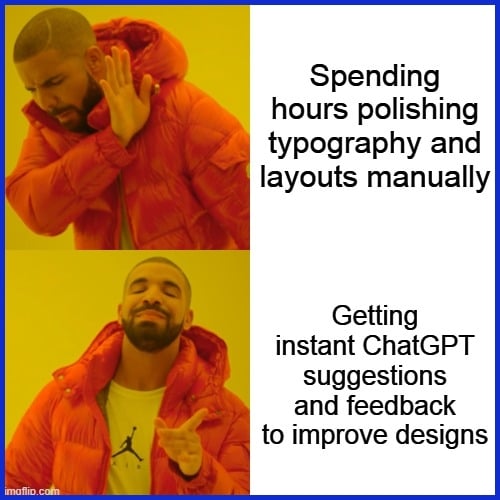
Workflows flow better when ChatGPT is involved. Designers spend less time on busy work and have more headroom for creative tasks. ChatGPT provides suggestions for polishing concepts, from typography adjustments to layout modifications.
It’s not about displacing designers, but empowering them. Solutions such as Graphically.io, which offers robust project quality management, can leverage ChatGPT to provide superior designs at a minimal price.
Benefits for Designers
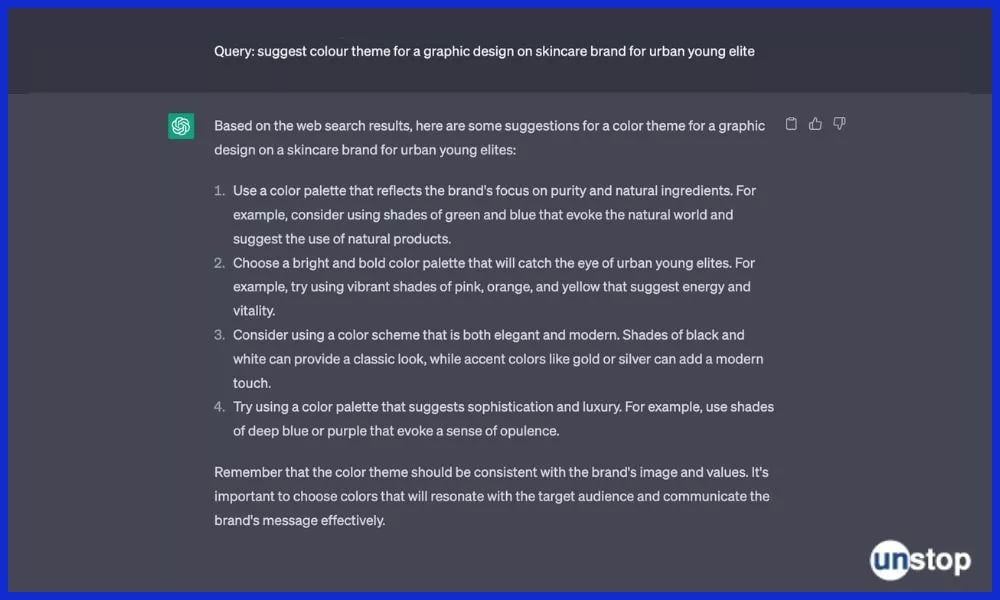
AI tools such as ChatGPT are disrupting graphic design. The narrative doesn’t stop there. Designers can use ChatGPT today to accelerate ideation, write snappier briefs, or get unstuck when a project plateaus. Real value for small agencies and digital consultants arrives from how these tools slice through the noise.
Less time on layout drudgery means more time for the big ideas. In all this rapidity, the human touch remains crucial. The magic happens when designers treat AI as a jumping-off point, not a crutch.
Inherent AI Limitations
AI tools such as ChatGPT, for example, provide an express lane to idea generation and design ideation. They have intrinsic constraints that creators and firms should be aware of. AI’s prowess can’t always fill in for human acumen, particularly in graphic design, where context, originality, ownership, and execution all play a role.
Understanding these constraints enables small business owners, digital agencies, and tech consultants to make more intelligent decisions about where to deploy AI versus human talent.
Context
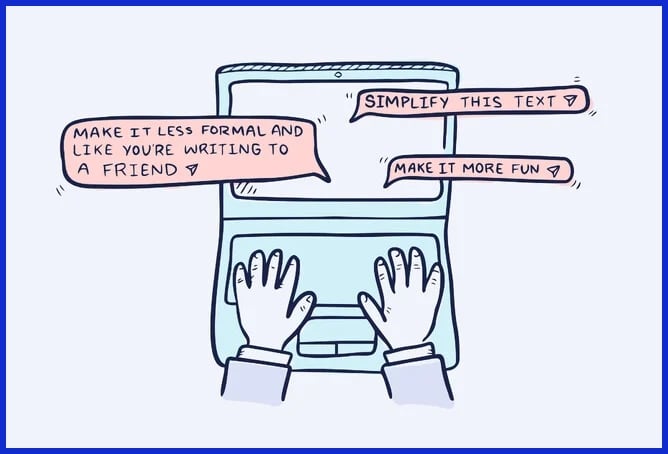
AI designs often lack the nuanced cues that a seasoned graphic designer would naturally incorporate. For example, while ChatGPT might suggest a color palette that seems acceptable in one culture, it could have negative implications in another. This limitation arises from its struggle to read between the lines or understand unspoken norms, leading to generic layouts that may not resonate with the intended audience.
Context is vital in design; what’s suitable for a corporate report may not align with the vision of a youth brand. AI can be only about 50 percent accurate on complex questions that human designers typically navigate with ease. This highlights the necessity of human designers in providing the essential context that AI often overlooks.
At Graphically.io, our project quality managers play a pivotal role in bridging these gaps. By fusing AI’s speed with human creativity, we enhance user experience and ensure designs meet specific project requirements, avoiding the pitfalls of AI-generated content.
Originality
It’s hard to get genuine originality out of AI. ChatGPT trains on massive data pools, so its creations and concepts tend to reverberate what’s already available. Research reveals AI text can be ten percent similar to original texts, occasionally sourcing from hundreds.
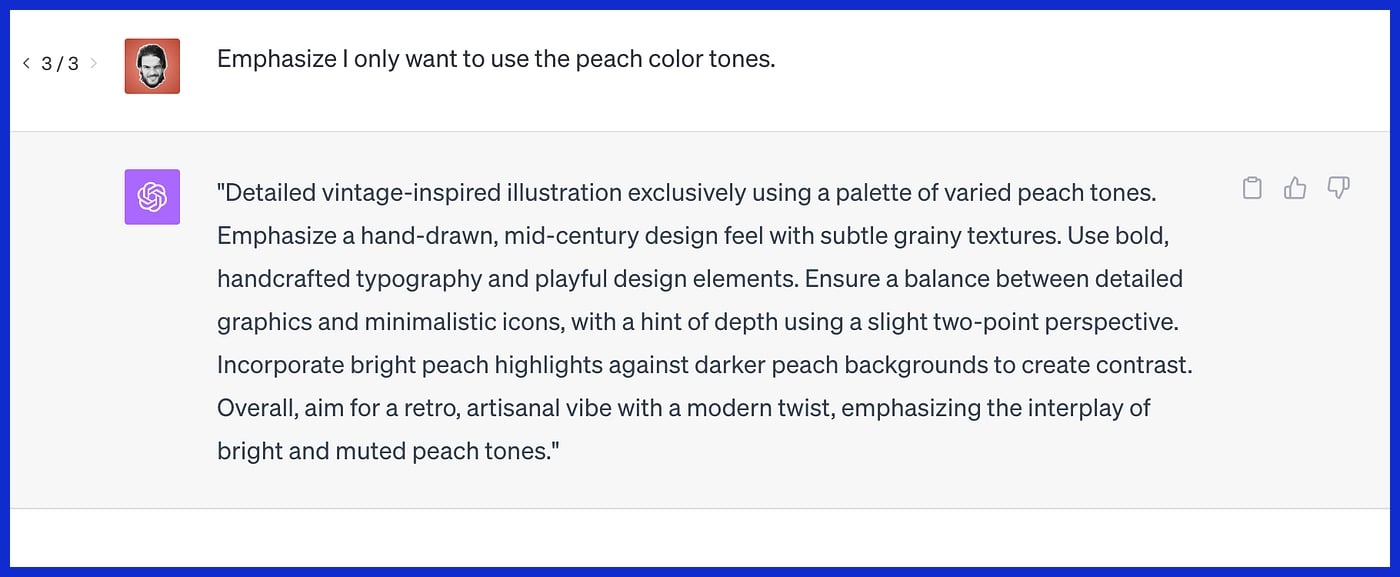
That implies designs can appear derivative, if not downright redundant. AI models aren’t designed to innovate; they mix and remix. Designers can take a springboard from AI. It’s great for popping creative block or starting drafts, not for polishing work.
Something about combining AI with your style results in work that shines. The drive for innovation is sourced by humans, not only by prompts.
Ownership
Ownership questions regarding the designer, client, or the tool itself are still up in the air. Customers require defined conditions when utilizing AI in their work.
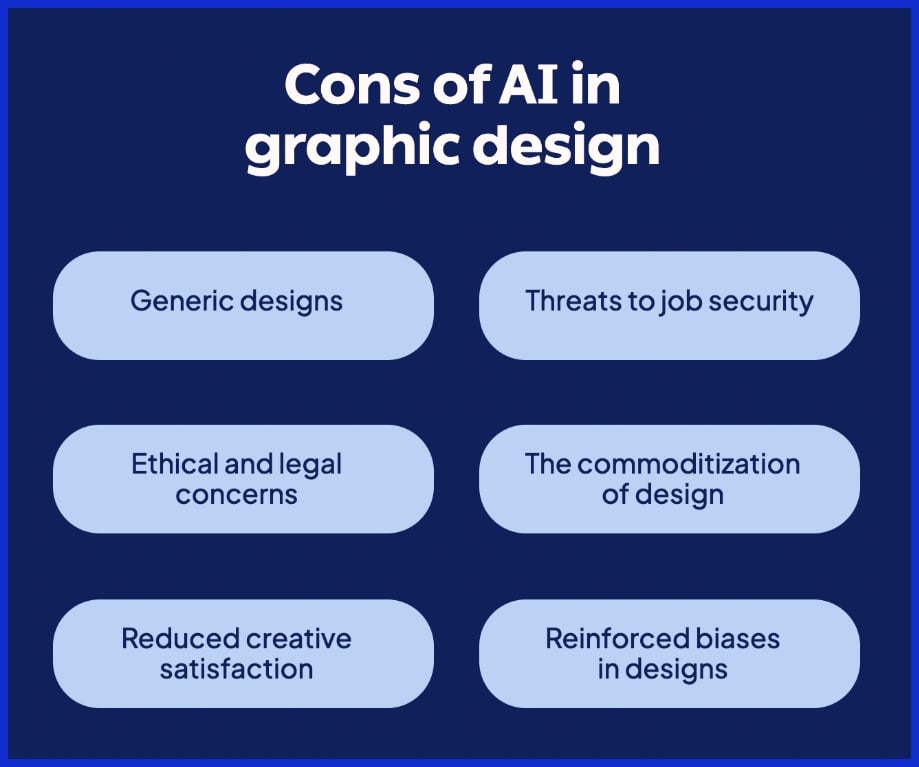
Copyright law hasn’t caught up with AI yet, so agencies should set guidelines for crediting both people and tools. This keeps projects above board and sidesteps legal nightmares later on.
A Practical Workflow
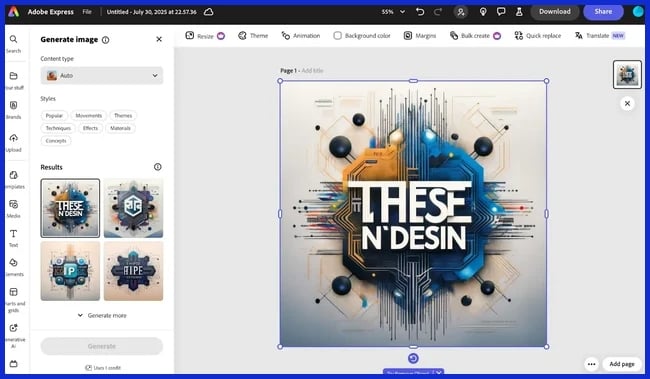
What a practical workflow in graphic design now means is combining AI such as ChatGPT with that human touch. It’s less about grinding on a head for hours on a single idea and more about being able to investigate dozens of directions in minutes, now that you have prompt-based image generation. This allows teams to work intelligently, producing taglines, color palettes, or early designs with just a few prompts and then tweaking them into something original.
Not every notion will nail it, but a single spark or two can ignite a fresh, starbound trajectory. It’s not about the tools; it’s about our mindset and the questions we pose.
Prompting
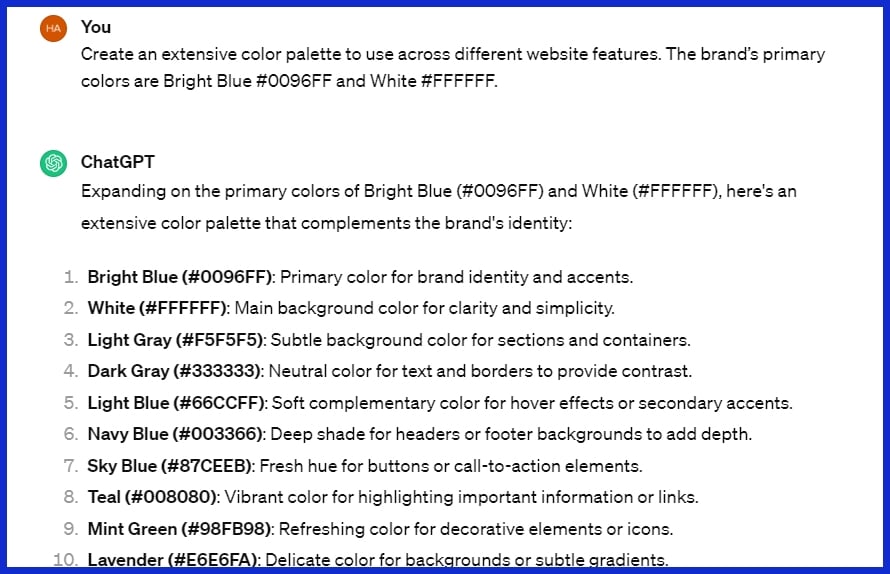
Prompting is where creative exploration begins. The right prompt can unlock unexpected ideas, especially if you’re specific. Instead of asking for “ten logo ideas,” try “ten logo ideas for a community café, using soft lines and a warm, slightly dusty terracotta palette.” This level of detail helps ChatGPT give results that align better with the project’s vibe.
Feedback is key. Take an AI-generated concept, show it to a human designer, and note what works and what doesn’t. ChatGPT can then suggest tweaks, like adjusting symmetry or trying a new font mood. A clear review system where both humans and AI evaluate progress keeps everyone focused on the goal. Collaboration at this stage turns rough ideas into polished options.
Refining
Refining is second, with AI and humans operating in concert. Put ChatGPT in the team’s workflow, not an automatic replacement but a partner. Combining AI ideas with conventional design tools increases what is feasible.
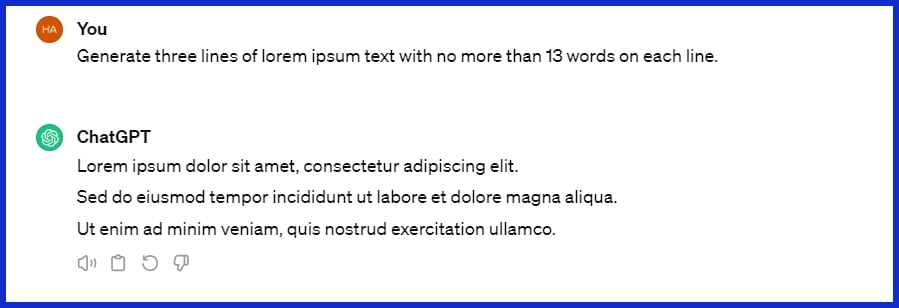
Teams thrive when they trade what they’ve learned from the AI, perhaps a prompt style that drives better output or a color combination that sings. There’s a secret sauce in combining AI’s speed with a designer’s expert eye that can often yield the best outcomes. Experimenting, say requesting ChatGPT for copy layout tweaks or alternative taglines, can introduce you to creative possibilities you’d never considered.
For entrepreneurs and small agencies, Graphically.io provides you this combination of computer science and human proofreading, handled by a quality-obsessed team.
Integrating
By integration I mean considering how AI contributes to the larger context. Designers need to consider the morals, ensuring that nobody is plagiarizing or abusing somebody else’s work. AI can shift job functions, but it liberates time for more significant work.
Clients want honesty, so it’s to be expected that you’ll share when AI helps craft a design. Responsible use is about balance. AI can speed things up, but human judgment keeps the work honest and original. Being transparent and ethical builds trust, and that’s what keeps relationships strong whether you use in-house teams or services like Graphically.io.
Future of Human Creativity
The creative world is not what it used to be. In the past twenty years, the creative industry’s spectrum has become constricted. Many areas that used to flourish, such as illustration, music, and writing, now find less room to thrive. AI is central to this transition, with tools like GPT capable of writing, sketching, and even composing music. These AI agents converse and respond in ways that mimic human designers, which for many is both exciting and intimidating.
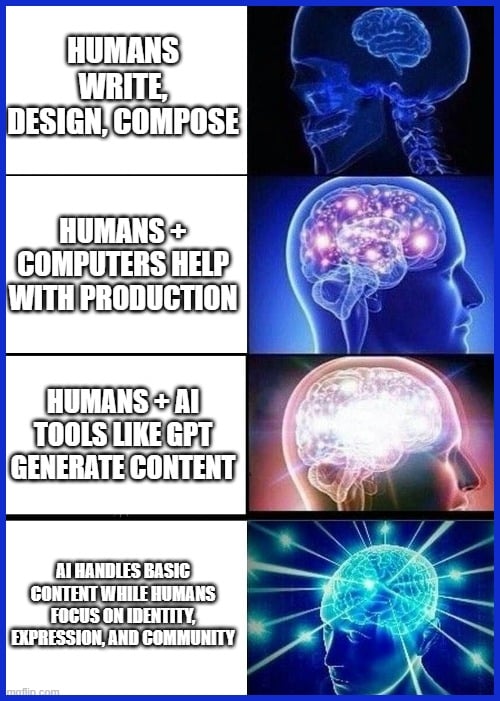
Creativity is human. It’s how we express our identities and form community. When machines enter the equation, it’s a different story. Others sense their work is less necessary, and others fear being displaced by code. Writers, designers, and musicians sense these shifts. In music, mega stars and guaranteed hits now grab the spotlight. Smaller acts and new noises tend to get crushed.
The same trend emerges in art and design. Known forms, usually factory made or AI created, receive more focus. Most creative people are lost and confused about where they belong. For some, it stresses them out. It is difficult to imagine your life’s work being replaced by a line of code.
AI is not solely a threat; it can also be a powerful tool. As AI automates mundane tasks, many may find opportunities to embark on their own projects. Self-employment and small studios could flourish as larger corporations mechanize and downsize. For small business owners or agencies, this shift opens new doors. Leveraging innovative design ideas and tools like ChatGPT for graphic design can enhance productivity and reduce costs.
Conclusion
ChatGPT isn’t a magic bullet. It does have a real role in design. Writers and designers use it to brainstorm, accelerate revisions, and experiment with formatting. A tool is a tool. Genuine spark is human—people’s taste, their instinct, their attention to detail. Great copy begins with a clear idea, not a copywriter. Noticed a campaign that just ‘clicked’? Chances are it was a person who guided it in, not a bot. Need design that matches your brand, not a template? Try a team that verifies every step and stays sharp. At Graphically.io, we combine robust technology with an actual team. Give us a shot for your next project and experience what real craft meets passion feels like.
Frequently Asked Questions
Can ChatGPT create graphic designs directly?
No, chatGPT can’t generate images directly. However, it can assist with design ideation, write prompts for graphic designers, and provide actionable insights for design projects.
How can designers use ChatGPT in their workflow?
Seasoned graphic designers might leverage ChatGPT as an excellent tool to brainstorm innovative design ideas, generate creative prompts, and enhance project communication.
What are the main benefits of using ChatGPT for graphic design?
ChatGPT saves you time, inspires your creativity, and fuels your collaboration as a seasoned graphic designer. It can recommend design components, color palette options, and layout concepts, streamlining the design project process.
Are there any limitations to using AI like ChatGPT for design?
Yes, AI can’t truly match human artistic genius or emotional intuition. It can be formulaic and without a personal artistic touch or cultural awareness when not directed thoughtfully.
Is it ethical to use AI tools like ChatGPT for graphic design?
AI is ethical when it supports human designers and enhances their design skills, providing excellent tools for creating visuals while giving credit to original creators. Designers shouldn’t submit AI-generated work as their own.
Will AI replace human graphic designers?
AI won’t replace graphic designers; rather, it will enhance their design skills. Human creativity, emotion, and cultural understanding remain essential in graphic design, making human input irreplaceable.
Can ChatGPT help with learning graphic design?
Yeah, ChatGPT can explain design principles, recommend learning resources, and even answer design-related questions, making it an excellent tool for both young professionals and seasoned graphic designers seeking fast tips.