Table of Contents
Key Takeaways
- The best brand taglines all share a few traits: they’re short, emotional, and easy to say out loud.
- Companies such as Nike, Apple, McDonald’s and more have created entire identities based on one or two words.
- Effective taglines are not just about playing with words, but they are about using real copywriting techniques, such as verb-first phrasing, rhythm and emotional attachment.
- These frameworks need not be reserved for a billion dollar ad budget, as they can be put into practice for your website or brand copy.
- Strong copy still needs strong visuals to back it up. This is where a partner such as Graphically can help.
Okay, let’s take a quick break from talking fonts, color palettes, and pixel-perfect logos for a second.
Every brand’s visual identity gets a lot of love. But the words sitting right next to that logo? They’re doing just as much heavy lifting, sometimes more.
Think about it. You don’t need to see the swoosh to know “Just Do It.” You don’t need the golden arches to finish “I’m ___ It.” That’s the power of a great tagline — copywriting distilled down into its punchiest, most memorable form.
In this article, we’re counting down the best brand taglines of all time. But we’re not just listing them. We’re reverse-engineering why they work, so you can borrow the same secrets for your own brand.
No jargon, no fluff, just the frameworks real copywriters use, explained in plain terms anyone can actually apply.
The Top 10 Best Brand Taglines of All Time
These are the taglines almost anyone, anywhere, at any age, would recognize instantly. That’s really the whole test of a great one — it doesn’t need explaining.
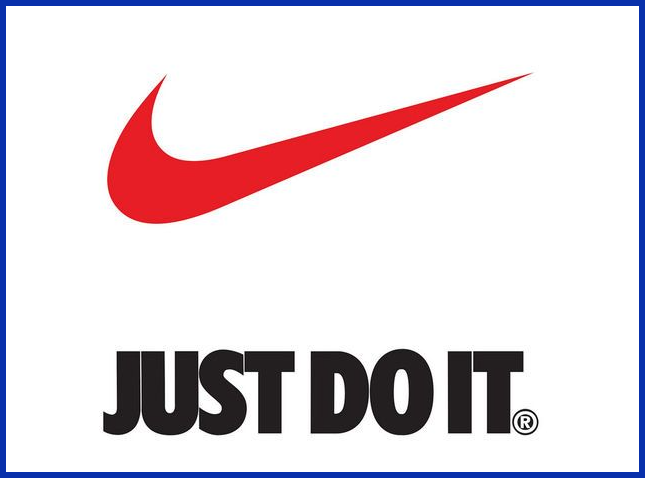
- Nike — “Just Do It”
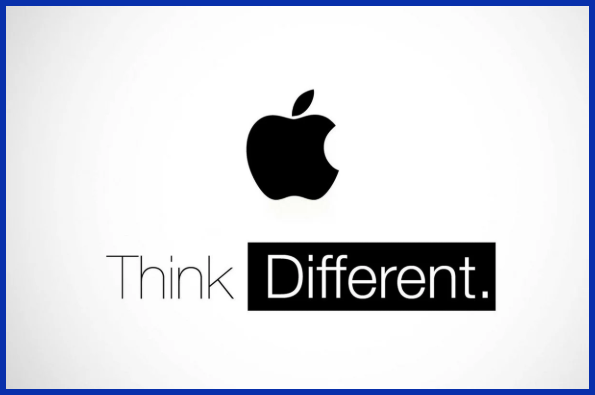
- Apple — “Think Different”
- De Beers — “A Diamond Is Forever”
- L’Oréal — “Because You’re Worth It”
- McDonald’s — “I’m Lovin’ It”
- Disneyland — “The Happiest Place on Earth”
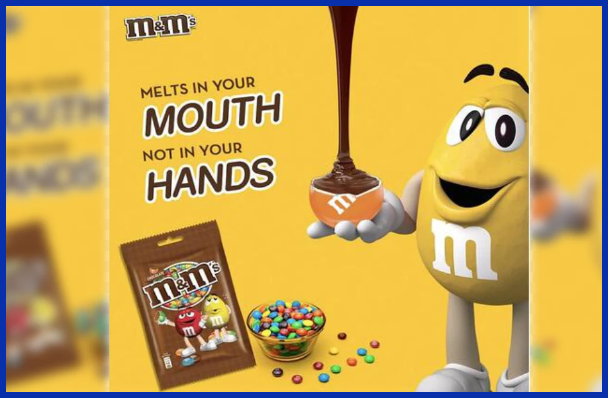
- M&M’s — “Melts in Your Mouth, Not in Your Hands”
- BMW — “The Ultimate Driving Machine”
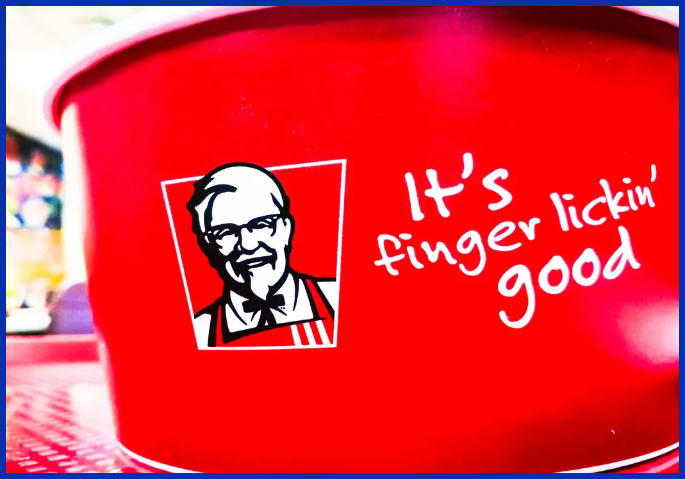
- KFC — “Finger Lickin’ Good”
- Mastercard — “There Are Some Things Money Can’t Buy. For Everything Else, There’s Mastercard.”
These ten lines have been used for almost 80 years of advertising, in places from cars to candy, and they still occur in everyday conversation without anyone having to explain what they are.
Notice something? All of these are simple. Most of them are five words or less and sound like the words a friend would use and not those a boardroom would scramble together.
It’s no coincidence. It’s a formula, and we are going to break it down.
Why These Taglines Actually Work
Let’s take a closer look at some of these as the “why” will serve you much better than the “what” and will help you understand the story and the strategy behind them. Each chose deliberately one particular thing, which you can borrow.
Apple’s “Think Different” broke grammar rules on purpose.
On a grammatical level, it’s supposed to be “Think Differently. That was known to Apple’s team. The line was approved by Steve Jobs as “different” was a more effective adverb than the one that was intended. That was daring and a little rebellious and was just what Apple needed to be doing about itself when it was struggling to be relevant in 1997.
Nike’s “Just Do It” works because it’s a command, not a description.
It doesn’t describe shoes. There is no talk about comfort, price or performance. It simply informs you of what to do. Two words, one verb, no explanation – it works as well for a marathon runner as it does for someone trying to get off the couch.
De Beers’ “A Diamond Is Forever” sold a feeling, not a product.
This line was written by Copywriter Frances Gerety in 1947, and it is still used by De Beers. It never uses the words carats, clarity, or cut. It speaks of forever – of always, never, forever – of permanence, of love, of commitment. It’s that one emotional approach, which is why diamond engagement rings became a tradition worldwide.
L’Oréal’s “Because You’re Worth It” changed who the ad was talking to.
Prior to 1971, beauty ads were mainly about women, and frequently made judgments. Ilon Specht, at the time barely 23 years old, took the short-cut and wrote it from the woman’s perspective. That’s why, now, after all these decades and not-so-many changes in pronoun, the line still feels personal.
See the pattern? No one is trying to teach you anything along these lines. Their intent is to make you feel something, quickly, and that is what a tagline is all about.
The Copywriting Secrets Behind Every Great Tagline
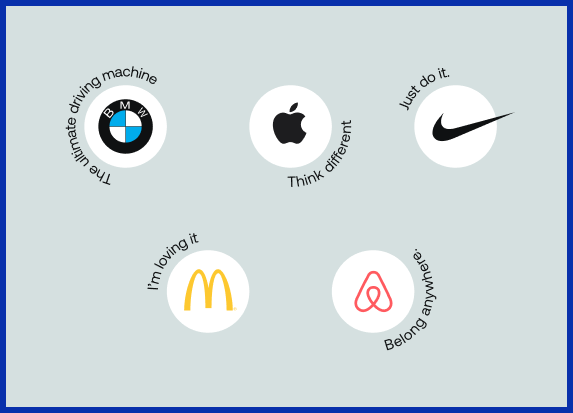
Here’s where things get practical. These are the actual frameworks copywriters lean on to build lines like the ones above, and they work whether you’re naming a global sneaker brand or a local coffee shop.
- Keep it short. Most iconic taglines run six words or fewer. Short phrases are simply easier to remember, repeat, and say out loud.
- Lead with a verb. “Just Do It.” “Think Different.” “Eat Fresh.” Verbs create motion and energy. They tell people what to do, not just what a brand is.
- Anchor it to emotion, not features. Nobody memorizes a tagline about specs. People remember how a brand made them feel: confident, happy, included, worth something.
- Use rhythm and repetition. Say “Finger Lickin’ Good” out loud and notice the bounce in it. That rhythm is intentional, and it’s exactly why it sticks in your head decades later.
- Make it flexible. The best taglines stretch across products, campaigns, and even decades without ever needing a rewrite. “Just Do It” works for shoes, apparel, and non-athletes alike.
- Speak directly to one person. Notice how many of these use “you” or an implied “you,” like L’Oréal’s line. Talking to a single reader feels more personal than talking at a crowd, even when millions of people are reading it.
None of these techniques require a massive budget. What they require is intention. Every single word has to earn its spot in the line.
How to Apply This to Your Own Brand Copy
You don’t need to be Nike-sized to write a tagline, headline, or piece of website copy that actually sticks. Here’s a simple way to stress-test your own line:
- Read it out loud. If it’s clunky or hard to say in one breath, it’s probably too long.
- Cut every unnecessary word. If a word isn’t adding meaning, it’s just noise sitting in the way.
- Ask what feeling it creates. If your honest answer is “none,” it’s back to the drawing board.
- Test it on someone outside your industry. If they don’t get it in three seconds, simplify it further.
Here’s what that looks like in practice. A generic line like “We provide high-quality graphic design solutions for businesses” describes a service, but it doesn’t make you feel anything. Trim it down to something like “Design that gets noticed,” and suddenly it’s shorter, it leads with a benefit, and it’s actually easy to remember.
This logic doesn’t stop at taglines, either. It applies to headlines, calls-to-action, and even the small microcopy on your buttons. Good copywriting is good copywriting, no matter where it lives on the page.
Conclusion
Great taglines aren’t lucky accidents. They’re written, tested, and trimmed down until every single word is pulling its weight. From Nike’s two-word command to L’Oréal’s confidence-boosting reminder, none of the brands on this list just said something clever. They said something true, and they said it in the fewest words possible.
The good news is that these same copywriting secrets are available to any brand, at any size, including yours. You don’t need a Manhattan ad agency or a Hollywood-sized budget, just a willingness to cut every word that isn’t pulling its weight.
Of course, great words still deserve a great look to match them. That’s where Graphically comes in, pairing sharp copywriting with the illustrations, banners, and design work that help it actually land on the page. Because a killer tagline sitting next to a mediocre visual is still a missed opportunity.
FAQs
What makes a tagline “the best”?
The best brand taglines are short, memorable, and emotional. They make a promise, spark a feeling, or tell you exactly what to do, all in just a handful of words.
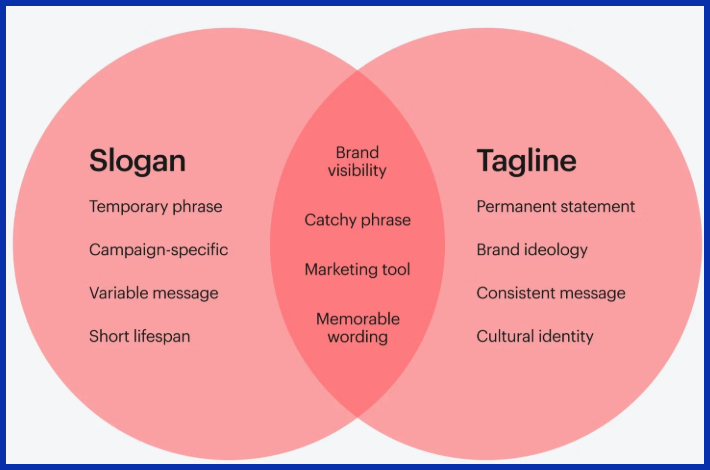
What’s the difference between a tagline and a slogan?
The terms are often used interchangeably, but a tagline is usually a brand’s permanent, evergreen line (like “Just Do It”), while a slogan is more often tied to one specific campaign and can change over time.
How long should a tagline be?
Most successful taglines land between two and seven words. Shorter is almost always stronger, since it’s easier for people to remember and repeat.
Do small businesses actually need a tagline?
Yes. A tagline helps people instantly understand what you stand for, often before they’ve read a single other word on your website. It doesn’t take a huge ad budget, just clarity and a clear emotional hook.
Can a tagline change over time?
Definitely. Brands evolve, and taglines sometimes evolve right along with them. What matters most is staying consistent long enough for a line to actually stick in people’s minds.
Should a tagline describe exactly what a company sells?
Not necessarily. As this list shows, the most iconic taglines usually sell a feeling instead of listing features. It’s often more powerful to focus on how a customer feels using your product than on the technical details of the product itself.